
The USA Leaders
November 26, 2026
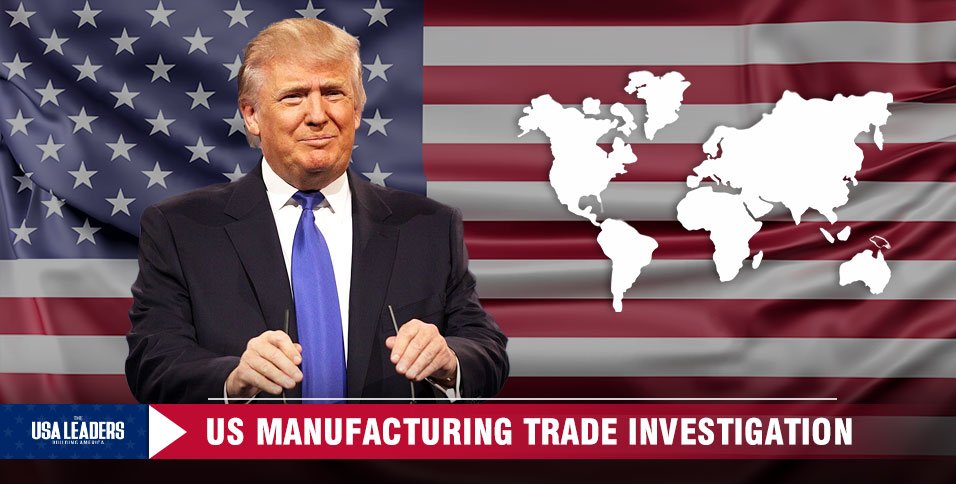
Washington, D.C. – The Trump administration has proposed new import tariffs on 14 economies after reviewing their manufacturing practices. The move puts global trade and production networks in focus.
The US manufacturing trade investigation examines industrial production, government support, and manufacturing capacity across major trading partners, including China, India, Japan, and Vietnam.
Trump’s new tariff proposals, announced on November 25, add another issue to US trade talks with other countries. It also raises questions about how different countries contribute to global production and how their manufacturing relationships affect American businesses.
The proposed tariffs could affect US manufacturing supply chains. Many products use materials and parts from different countries.
What Did the US Manufacturing Trade Investigation Reveal?
The US manufacturing trade investigation identified manufacturing policies and production practices across 14 economies that the administration says affect US commercial interests.
The US manufacturing trade investigation examined industrial production, government support, labor protections, and manufacturing capacity. According to the US Trade Representative Jamieson Greer, these practices could restrict American commerce.
The 14 economies covered under Trump’s new tariff proposals include:
- China
- India
- Japan
- South Korea
- Vietnam
- Singapore
- Malaysia
- Thailand
- Indonesia
- Cambodia
- Bangladesh
- Taiwan
- Switzerland
- European Union
Together, these economies account for roughly half of the global economy, according to analysts cited by Associated Press.
An important part of the investigation concerns China’s influence on global manufacturing. China’s manufacturing industry is connected to international production and trade, making its position relevant when examining how goods are produced across different markets.
How Do Trump’s New Tariff Proposals Affect 14 Economies?
Trump’s new tariff proposals set different rates for each trading partner. Some rates may change depending on trade agreements.
The proposed tariff arrangements include:
| Economy | Proposed US tariff rate |
| India | Up to 25%, potentially 17% under a trade agreement |
| Vietnam | 20% under a trade agreement |
| China | 20% |
| Japan | Up to 15% |
| Singapore | 20% |
| Bangladesh | 18% |
| Cambodia | 18% |
| Indonesia | 18% |
Some tariff rates are conditional on trade agreements, while others remain subject to the administration’s proposed measures.
India’s possible 17% rate is lower than the proposed rates for several competing countries. This could give Indian exporters a pricing advantage when competing for American orders.
The US tariffs on 14 economies could affect how foreign suppliers compete in the American market.
Why Is China’s Influence on Global Manufacturing Important?
China’s influence on global manufacturing matters because many countries use Chinese parts and materials to make products.
China remains one of the largest trading partners of the United States. Its manufacturing sector is also an important part of the wider discussion about production capacity and international sourcing.
The US manufacturing trade investigation places this relationship alongside the administration’s proposed tariffs on other manufacturing economies. It also brings attention to how companies source components, materials, and finished products from different markets.
For example, a product assembled in Vietnam or another Asian economy may involve materials and components sourced internationally. Changes in trade arrangements can therefore affect more than the country where the finished product is manufactured.
This connection makes US manufacturing supply chains an important part of the latest trade developments.
How Could the New Tariffs Affect US-China Trade Relations?
The new tariffs add to ongoing US-China trade relations and discussions over existing trade agreements.
The United States and China have extended their trade truce by two months, until January 10, 2027. They have also agreed to reduce tariffs on selected non-sensitive products worth about $60 billion.
China currently faces a proposed 20% tariff under the latest arrangement. Reuters reported that the rate could rise to 40% if the trade truce breaks down, in addition to duties imposed during Trump’s first term.
What Could the US Manufacturing Trade Investigation Mean for US Businesses?
The proposed tariffs could influence import costs, supplier selection, and production planning across several industries.
Companies that purchase components from overseas may need to compare costs across different manufacturing locations. Importers could also review supplier agreements as the final tariff arrangements become clearer.
For American manufacturers, the proposals bring attention to the cost of imported materials and competition from overseas producers. The impact on consumers will depend partly on whether businesses pass any additional import costs on through product prices.
The US tariffs on 14 economies could affect how companies buy materials and sell products in the United States.
The latest developments also show why US-China trade relations remain relevant to international manufacturers and American companies with overseas suppliers.