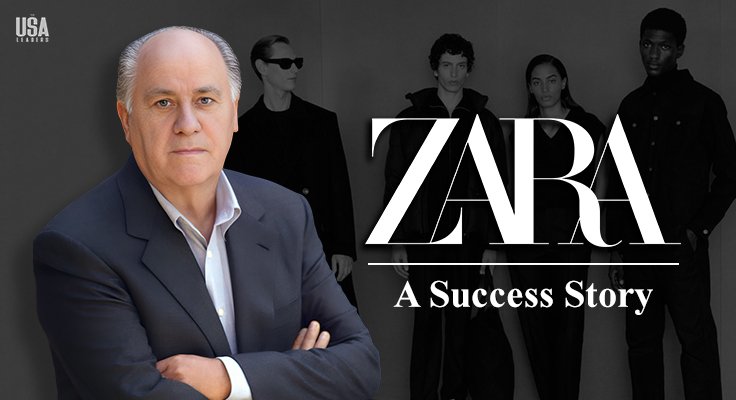
Ever dreamt of rocking the latest runway looks without emptying your wallet? That’s Zara’s superpower. This brand truly shook up the fashion world. Their secret? A totally unique approach to both style and speed. You see Zara stores everywhere, right? In busy cities, quiet little towns – it doesn’t matter. The Zara brand? It’s a name everyone knows. It means fashion that’s both trendy and affordable. As of 2025, Zara is the flagship brand of Inditex, operating in almost 100 markets with thousands of stores and a rapidly growing online presence.
But hold on, what’s the real story behind this incredible success? Let’s take a deep dive into Zara’s journey. From its very humble beginnings, it rose to become a true global fashion giant. Think about it: a visionary founder, with super-smart strategies. The Zara brand story? Absolutely inspiring! So, come on, let’s explore the world of Zara. We’ll uncover the secrets to their amazing success, together. To understand the Zara brand today, you have to look at how its fast fashion model, data-driven decisions, and sustainability investments work in real time.
1. The Origin of the Zara Brand and Its Visionary Founder
The Zara story? It all started in a small town. Picture this: Arteixo, Galicia, Spain. The original name? ‘Zorba.’ Now, meet Amancio Ortega. He came from a modest background. His first job? Delivering clothes for a local store. That’s where he saw it – the old-fashioned fashion supply chain was slow and inefficient.
That’s when Ortega and his wife, Rosalia Mera, had an idea. What if there was a brand that could deliver fashionable clothes super fast and at prices everyone could afford? This dream became a reality in 1975. That’s when the very first Zara store opened its doors.
Ortega’s big idea? ‘Fast fashion.’ This is what made Zara totally different from other retailers. They controlled everything – from designing the clothes to getting them into the stores. Because of this, Zara could react to new fashion trends almost instantly. This brand-new approach? It turned Zara into a worldwide phenomenon. And Ortega’s entrepreneurial spirit? That became the heart and soul of the brand’s success. Today, the Zara brand story is a classic case study in how vertical integration and a founder-led vision can reinvent an entire retail category.
2. The History of Zara’s Journey as a Company
From just one store in Spain to a global fashion empire! Zara’s journey is truly something else. Fast forward to the 1980s. Zara started going international. First stop? Portugal. Then came the big leagues: New York, Paris, and other major cities. By the 2000s, Zara was a global superstar. Hundreds of stores popped up all over the world.
Throughout all this, the Zara brand never stopped innovating. They jumped on the e-commerce train early. Their online store launched way back in 2010. Today? Zara operates in over 96 countries with more than 3,000 stores worldwide, while Inditex sells online in over 200 markets. Their secret weapon? Always adapting to what customers want. That’s been key to their ongoing success, for sure. Inditex’s recent results show Zara’s engine is still strong, with group quarterly sales close to €9–10 billion and solid margins even as it invests heavily in logistics and technology.

3. Who Owns the Zara Brand Now and in the Past?
So, who’s the big boss behind Zara? That would be Inditex. They’re one of the biggest fashion retailers on the planet. And who co-founded this giant? None other than Amancio Ortega himself. Remember him? The Spanish entrepreneur. He started Zara in 1975. Over the years, Inditex grew. It now includes other cool brands like Massimo Dutti, Pull & Bear, and Bershka.
Now, let’s talk about the present. It’s 2025, and Zara is still a flagship brand under the Inditex umbrella. Even though Ortega stepped down as chairman in 2011, his impact is still huge. Today, his daughter, Marta Ortega, is actively involved. She’s making sure Zara’s legacy continues to thrive in the ever-changing fashion world. And Inditex’s focus on innovation and sustainability? That’s what keeps Zara going strong. Zara now generates well over two-thirds of Inditex’s revenue and profit, making the Zara brand the core value driver inside the group.
4. Zara’s Fashion Valley and Its Significance
One of Zara’s biggest strengths? Their headquarters is in Arteixo. People often call it ‘Fashion Valley.’ This place is huge and still growing. It’s basically the brain of the entire Zara operation. Fashion Valley has everything: design studios, production facilities, and even logistics centers – all in one place. Is this complete integration? It’s what allows the Zara brand to pull off their fast-fashion strategy so smoothly.
What’s really amazing about Fashion Valley? It’s incredible efficiency. Designers work super closely with the production teams. They can take an idea and turn it into actual clothes in record time. How fast? Sometimes, a new design can go from just an idea to hanging on store shelves in as little as two weeks! This unbelievable speed? It gives Zara a massive advantage over the competition. It ensures their stores are always packed with the very latest trends. In some cases, Zara can move from design to store in roughly 15–20 days, which keeps its fast fashion model ahead of many competitors in 2025.
5. Zara’s Branding and Marketing Strategy
Interestingly, Zara’s marketing approach is quite different from many of its rivals. Here are some of their unique strategies:
- Minimal Advertising: You might not see many Zara ads. They don’t spend a lot on traditional advertising or media publicity. Instead, they rely on having stores in prime locations and good old word-of-mouth.
- Rapid Turnaround: Remember that ‘design-to-shelf’ process? It means customers can always find fresh, new styles every couple of weeks.
- Scarcity Marketing: The Zara brand often has limited stock. This creates a sense of urgency. Shoppers know they need to buy something they like right away before it’s gone.
- Global Appeal: Zara’s designs are made to appeal to lots of different people. They blend global trends with local tastes.
- Ethical Initiatives: Sustainability is becoming a big deal for Zara too. They’ve started eco-friendly initiatives. Think about using organic fabrics and cutting down on waste. This is all to meet the growing demand for ethical fashion.
On top of this, Zara’s omnichannel strategy—combining flagship stores with a powerful app, click-and-collect, and real-time stock visibility—has become a core part of the Zara brand experience.
6. What Makes Zara Unique?
What truly sets the Zara brand apart from its competitors is its commitment to innovation without compromising quality or affordability. “Fast Fashion Done Right!” While other brands may take months to bring new designs to market, Zara can do it in weeks. This skill allows this brand to stay ahead of trends, offering customers the latest styles before anyone else.
Let’s look at a few more things that make them special:
- Customer-Centric Approach: You know, Zara’s designers? They really pay attention to what’s selling and what people are saying in their stores. They use that real-time feedback to quickly change things up and give customers what they actually want. It’s pretty smart!
- Sustainability Initiatives: It’s great to see that the Zara brand is making some serious moves towards being more sustainable. They’ve even made a promise to use only 100% sustainable fabrics by the year 2030. That’s a big deal and shows they’re thinking about the future.
- Vertical Integration: Think about it – from the moment a designer has an idea to when you see that piece of clothing in the store, Zara controls every single step. They handle the design, the making, and even getting it to the shops. This means they can be super efficient and keep a close eye on quality.
- AI and Data-Driven Decisions: The Zara brand increasingly uses AI and data intelligence to forecast demand, decide which designs to scale, and optimize inventory in each region, making its fast fashion model even more responsive and efficient.
For example, picture this: You walk into a Zara store in Paris, right? And you spot a jacket that looks like it just came straight off the runway from a show that happened just a few weeks ago. That super-fast way they react to trends? That’s exactly why fashion lovers all over the world absolutely adore Zara.
And you know what else is great? Inclusivity. Zara really deserves some praise here. They offer clothes for pretty much everyone – men, women, and kids. That commitment to being diverse and making fashion accessible? It’s made them a go-to choice for families everywhere.
Plus, you’ve probably noticed their Strategic Store Locations. They’re always in those really busy areas, like the center of big cities or in those fancy shopping districts. That makes the brand super visible, doesn’t it? Behind the scenes, Zara’s systems constantly track what sells in each store and online, feeding that data back into design and production so the right products arrive in the right place at the right time.
7. Zara’s Impact and Its Role in Shaping the Future
As of late 2025 and early 2026, the company behind Zara, Inditex, has a market value in roughly the mid-$150 billion range, keeping it among the most valuable fashion groups in the world. That’s a huge number! And Zara itself? It brings in nearly 70% of all the money Inditex makes, with yearly sales going over $39.96 Billion. This brand also gives jobs to about 1,70,000 people around the world, making it not just a fashion leader but also a really important part of the global economy.
But you know, Zara isn’t just keeping up with what’s coming next – they’re actually helping to create it. They’re putting money into things like AI (that’s artificial intelligence), looking closely at data, and using green technology. This is all helping to make the fashion industry more sustainable and efficient. Things like their programs for recycling clothes and using eco-friendly packaging? That’s just the beginning of how Zara brand is trying to make things better for the future.
Inditex has also set 2030 climate and materials targets—such as cutting supply-chain emissions by more than half and shifting heavily toward organic, recycled, and innovative fabrics across Zara’s collections.
My Opinion
Seriously though, Zara’s story is just wow! They didn’t just get successful; they totally changed how fashion works. From a small Spanish town to a global giant, the Zara brand just gets what people want and makes it happen super fast. Their ‘fast fashion’ isn’t just quick; it’s a smart system that almost predicts trends.
And get this – they barely advertise! Their amazing clothes in prime spots do all the talking. That’s confidence! Plus, they control everything, giving them a huge edge. So, Zara’s lasting win isn’t just about clothes; it’s about giving people that awesome feeling of finding the latest looks without spending a fortune. They totally nailed it!
Here Are Some Key Lessons for Young Fashion Entrepreneurs From Zara’s Journey:
- Gotta Be Speedy! Like Zara’s fast fashion, build your biz to quickly jump on trends and customer feedback. Being nimble is key!
- Keep Your Eye on the Whole Thing! Zara controls design to delivery. Try to get more control over your production to be faster and save money.
- Make Your Stuff and Shopping Awesome! Zara’s clothes and stores speak for themselves. Focus on great products and amazing customer experiences.
- Location Still Rules! Zara’s smart about store spots. Think carefully about your physical and online presence to reach the right people.
- Never Stop Thinking New! Zara always looks for better ways. Keep innovating your products, business, and how you connect with customers!
Feeling inspired by Zara’s incredible journey? Share this blog with all your friends who dream of making it big in the fashion world!
Let’s spread the inspiration and celebrate the incredible legacy of Zara together!
FAQs
- Why is the Zara brand so popular worldwide?
The Zara brand is popular because it delivers runway-inspired fashion at accessible prices while refreshing collections every few weeks, creating a constant sense of “newness” in stores and online. Its fast fashion model, prime store locations, and strong omnichannel experience make Zara a go-to brand for trend-conscious shoppers in dozens of countries.
- How does the Zara brand’s business model work?
Zara’s business model is built on vertical integration, limited stock, and speed: it designs, produces, and distributes most items in-house and moves from idea to store in as little as 2–3 weeks. Real-time data from stores and apps guides what gets made, while small batches and frequent drops drive urgency and reduce unsold inventory.
- Is the Zara brand becoming more sustainable?
Yes, the Zara brand is part of Inditex’s wider sustainability push, which includes eco-efficient stores, clothing take-back programs, and a big shift toward organic, recycled, and innovative materials. Inditex aims to cut supply-chain emissions by more than 50% by 2030, and Zara is investing in green technologies and AI to make its fast fashion model more responsible.