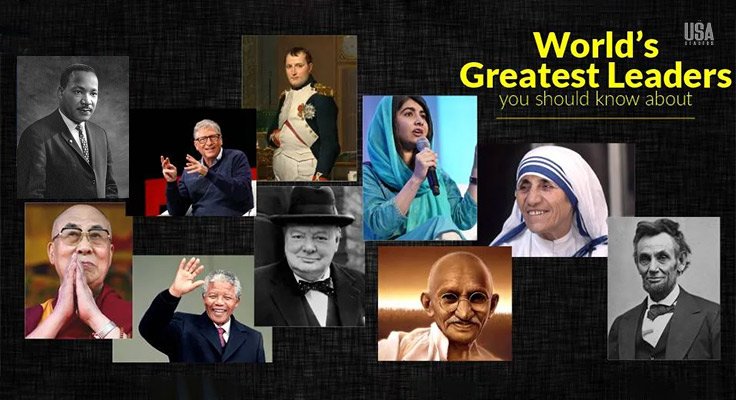
The world’s greatest leaders of all time include figures like Abraham Lincoln, Nelson Mandela, Mahatma Gandhi, Malala Yousafzai, and Winston Churchill individuals who changed the course of history through courage, vision, and an unwavering commitment to justice. This list covers 10 of the most influential leaders across politics, science, religion, and humanitarian work.
1. Martin Luther King Jr.
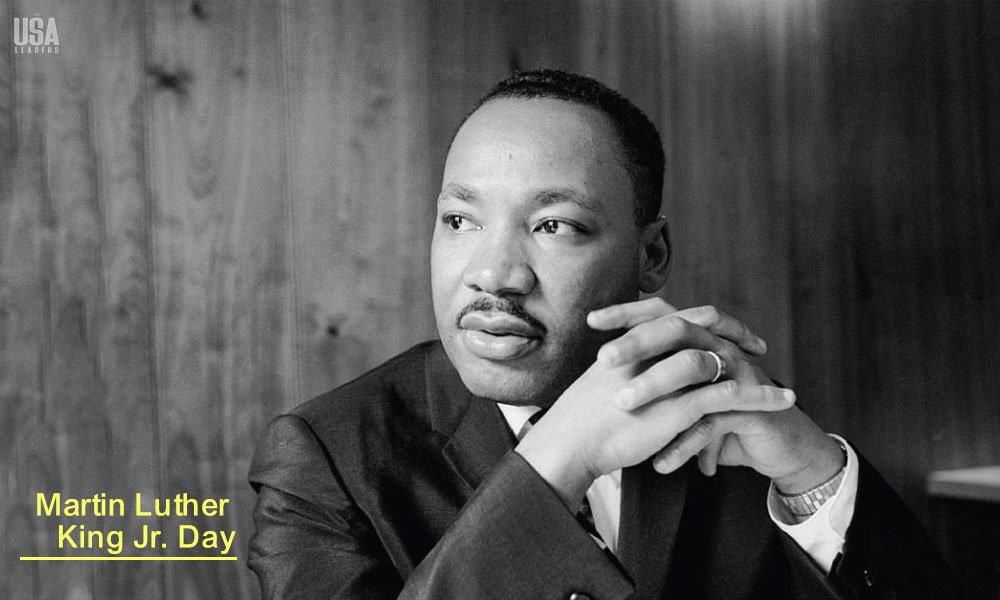
| Born Jan 15, 1929 | Known For Civil Rights Movement | Key Achievement: I Have a Dream Speech, 1963 | Award Nobel Peace Prize, 1964 |
Martin Luther King Jr. is widely regarded as one of the greatest leaders in American and world history. As the foremost voice of the American Civil Rights Movement during the 1950s and 1960s, King led a sustained, non-violent campaign against racial segregation and discrimination in the United States, fundamentally reshaping the country’s legal and social landscape.
His 1963 “I Have a Dream” speech, delivered to more than 250,000 people at the March on Washington, is still one of the most powerful speeches ever given. The next year, the Civil Rights Act of 1964 was passed, and he received the Nobel Peace Prize at age 35, becoming the youngest winner at that time.
His 1963 “I Have a Dream” speech, delivered to over 250,000 people at the March on Washington, remains one of the most powerful pieces of oratory in human history. The following year, Congress passed the Civil Rights Act of 1964, and King was awarded the Nobel Peace Prize, the youngest recipient at the time at age 35.
Martin Luther King Jr. was assassinated on April 4, 1968, in Memphis, Tennessee, but his legacy continues to inspire generations in the fight for equality and justice.
Specific Achievement: King’s leadership directly led to the passage of the Civil Rights Act of 1964 and the Voting Rights Act of 1965, two of the most consequential pieces of legislation in US history, dismantling the legal framework of racial segregation.
Leadership Lesson: Moral clarity combined with disciplined non-violence can defeat systems of power that seem immovable. King showed that how you fight matters as much as what you fight for.
2. Bill Gates
| Born Oct 28, 1955 | Known For Co-founding Microsoft | Key Achievement: Built world’s largest software company | Foundation Bill & Melinda Gates Foundation |
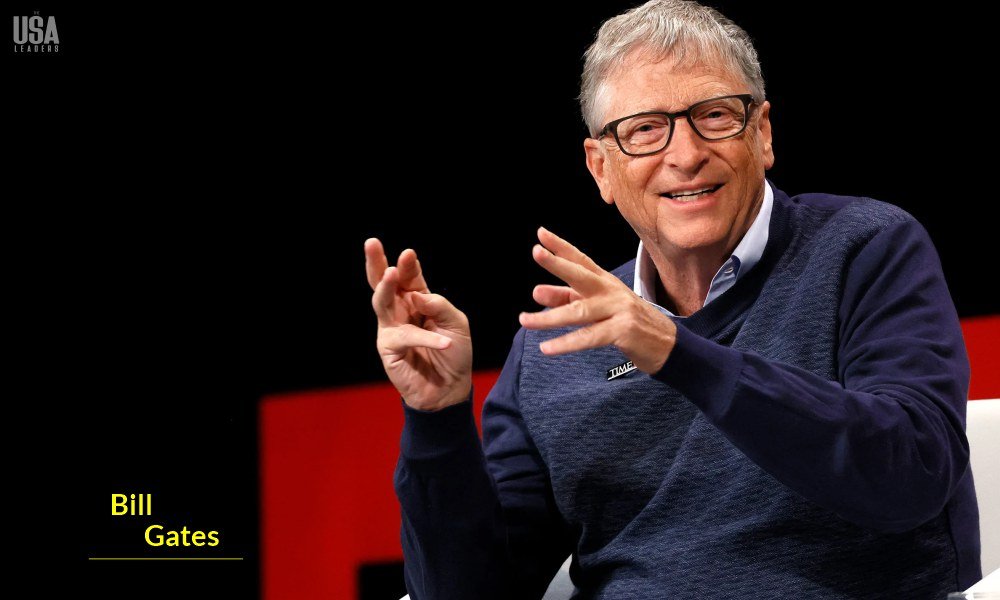
Bill Gates ranks top on the list of the world’s greatest leaders. The unique combination of aggressive business strategy, incredible vision, and unrivaled work ethic made Microsoft the world’s biggest technology company. Ultimately, he provoked people to become rich by contributing to the world of technology. Even if he has an upper-middle-class family background, it did not stop him from changing the way how the business world works. As a philanthropist, through the Bill & Melinda Gates Foundation, one of the world’s largest private foundations with an endowment exceeding $75 billion, Gates has committed to improving global healthcare and reducing extreme poverty.
Specific Achievement: Under Gates’ leadership, Microsoft created Windows, which went on to run more than 90% of the world’s personal computers, helping make digital technology accessible to billions of people for the first time.
Leadership Lesson: Vision without execution is worthless, but execution without willingness to learn from failure leads nowhere. Gates built his success on a culture of honest self-assessment.
3. Napoleon Bonaparte
| Born Aug 15, 1769 | Known For Military & legal reform | Key Achievement Napoleonic Code (1804) | Role Emperor of France, 1804–1814 |
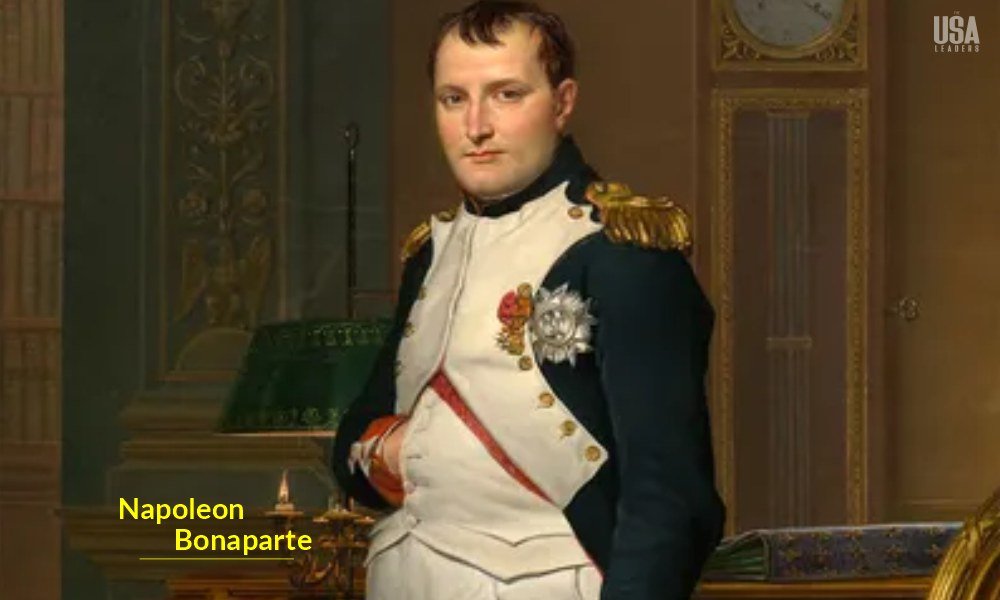
A reputed French military leader, Napoleon Bonaparte received vital recognition during the great French Revolution. He served as emperor of France from 1804 to 1814 and conquered large parts of Europe during the 19th century. Napoleon is widely known for his tactical thinking and quick brilliance in desperate situations like Napoleon’s wars (1803-15). He transformed the French legal system by introducing the ‘Napoleonic Code’ which is followed worldwide today. His vision of defending principles of revolution and democracy left a great legacy of an ideal emperor behind.
Specific Achievement: The Napoleonic Code of 1804 is Napoleon’s most lasting legacy, a comprehensive civil law system that abolished feudal privileges, established legal equality, and became the template for modern legal systems across Europe and Latin America.
Leadership Lesson: Preparation and quick decision-making increase strength. Napoleon succeeded not because he had more troops, but because he planned better and acted faster on his decisions.
4. Mother Teresa
| Born Aug 26, 1910 | Known For Service to the poorest | Key Achievement: Founded Missionaries of Charity | Award Nobel Peace Prize, 1979 |
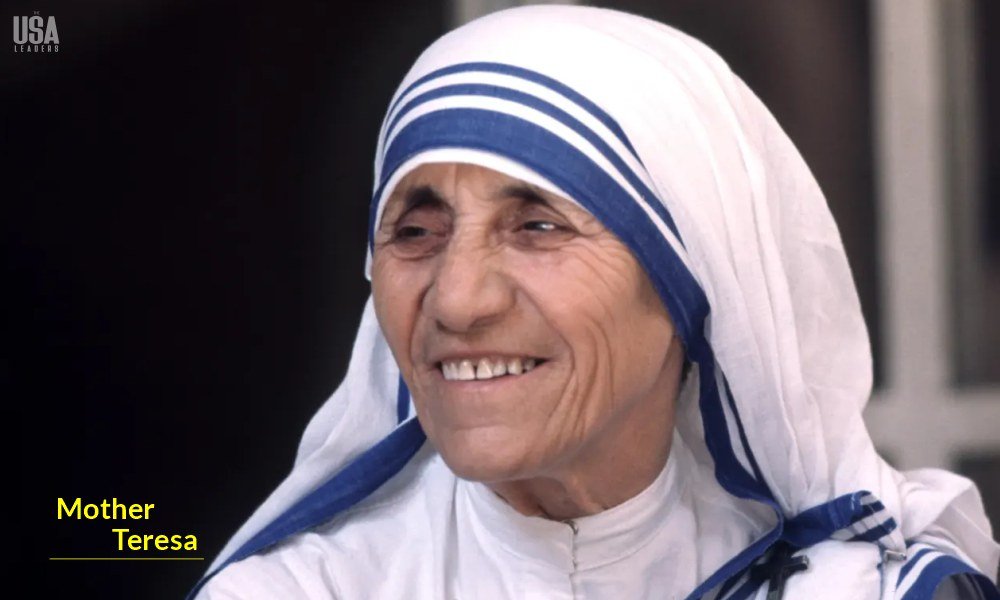
Mother Teresa, born Anjezë Gonxhe Bojaxhiu in Skopje (now North Macedonia), became one of the most well-known humanitarian leaders of the 20th century. She spent over 50 years helping the poorest and most marginalized people in Calcutta (now Kolkata), India, and later around the world.
Arriving in India in 1929 as a young Catholic nun, she spent nearly 20 years teaching in schools. In 1946, she felt a powerful “call within a call” that led her to leave the convent and help the poorest people directly. In 1950, she founded the Missionaries of Charity, which grew from a small group in Calcutta to more than 4,500 sisters running 610 missions across 123 countries by the time she died.
The Missionaries of Charity operated homes for people suffering from HIV/AIDS, leprosy, and tuberculosis, along with soup kitchens, orphanages, and schools in developing countries. In 1979, Mother Teresa received the Nobel Peace Prize and declined the traditional banquet, choosing instead to donate the $192,000 savings to help the poor in India.
She was canonized as Saint Teresa of Calcutta by Pope Francis in 2016, cementing her place as one of the great servant leaders in human history.
Specific Achievement: The Missionaries of Charity, founded by Mother Teresa in 1950, grew into a global humanitarian network operating in 123 countries directly serving millions of people in extreme poverty, disease, and isolation.
Leadership Lesson: Servant leadership at scale begins with personal commitment at the individual level. Mother Teresa did not build an organization first she started by serving one person at a time, and the organization followed.
5. Abraham Lincoln
| Born Feb 12, 1809 | Known For Ending slavery in the US | Key Achievement: Emancipation Proclamation, 1863 | Role: 16th President of the United States |
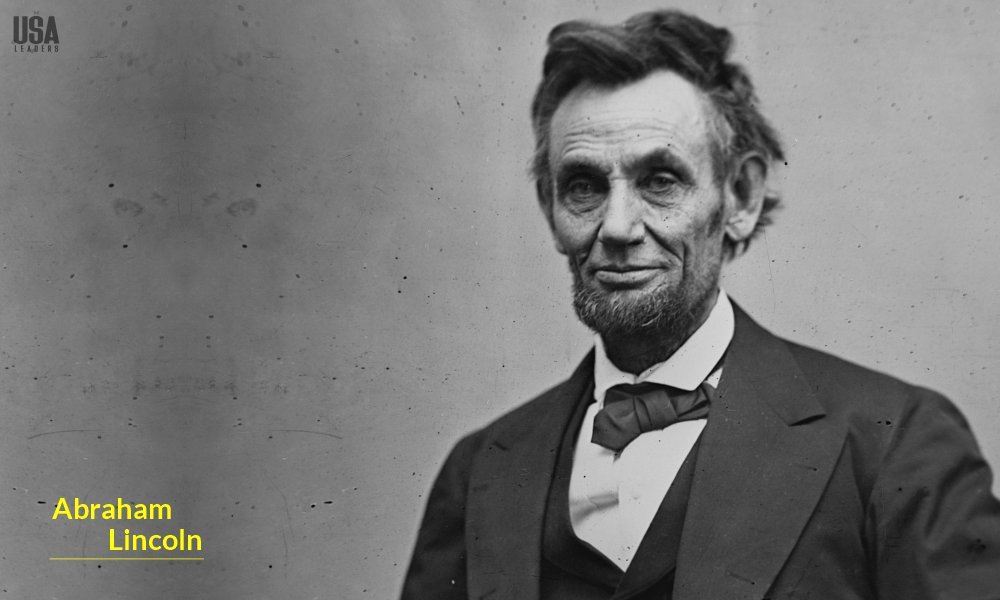
Abraham Lincoln rose to be a catalyst of revolution, justice, and emancipation once he became America’s 16th president. He firmly believed America is a land of equality and liberty and sought to abolish the system of slavery and introduced values based on an egalitarian society. His legacy and ideologies are so profound that his speeches keep impacting current and upcoming generations. Lincoln emphasized education, civil liberties, and individualism. His honesty, intelligence, and affable personality helped him to build a successful career as a politician and become one of the world’s greatest leaders.
Specific Achievement: Lincoln guided the passage of the Thirteenth Amendment to the US Constitution in January 1865, permanently abolishing slavery, the single most consequential act of legal liberation in American history.
Leadership Lesson: Preparation and patience are not weaknesses; they are the foundation of decisive action at the right moment. Lincoln’s willingness to endure and wait for the correct strategic opportunity defined his presidency.
6. Dalai Lama
| Born Jul 6, 1935 | Known For Tibetan spiritual leadership | Key Achievement: Global peace & compassion advocacy | Award Nobel Peace Prize, 1989 |
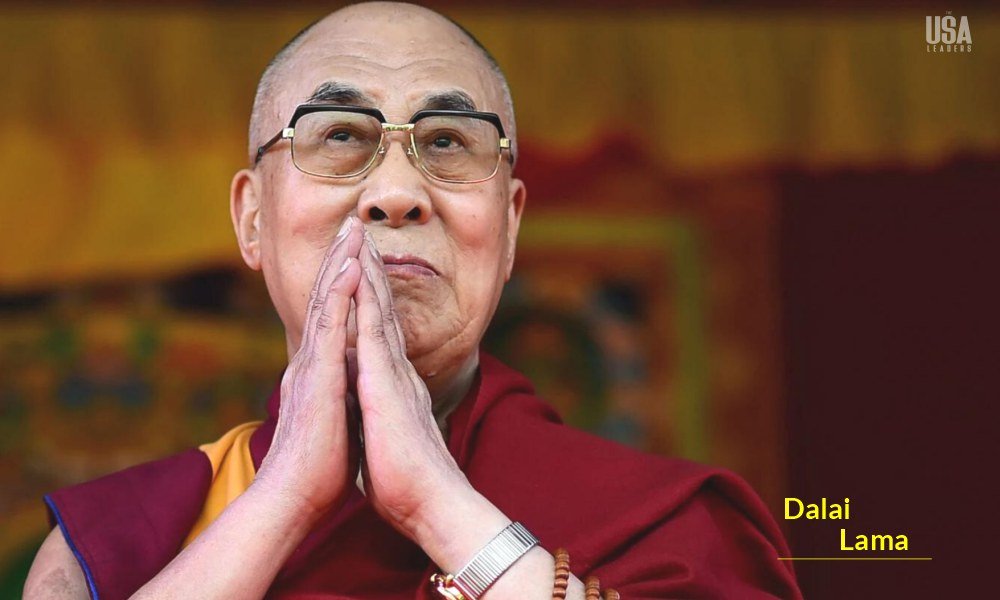
The 14th Dalai Lama, Tenzin Gyatso (born 1935), has spent decades advocating for Tibetan autonomy and the preservation of Buddhist culture. Now in his 90s, his legacy as a spiritual and political leader continues to shape global conversations about peace, compassion, and human rights. His Buddhist teachings and life story are an inspiration for the international community.
According to him, the problems we face in our daily lives are mostly created by humans, and their origin lies inside us only. His participation in international conferences, scheduling visits to other nations, and creating alliances with them are giving him a huge advantage in becoming one of the world’s greatest leaders.
Specific Achievement: The Dalai Lama’s “Middle Way” promotes peaceful Tibetan autonomy within China instead of violent independence. This non-violent approach earned him the 1989 Nobel Peace Prize and made him a global symbol of compassionate conflict resolution.
Leadership Lesson: Consistency of values under pressure is itself a form of leadership. The Dalai Lama’s refusal to abandon non-violence despite decades of displacement gave his advocacy a moral credibility that no political strategy alone could have achieved.
7. Nelson Mandela
| Born Jul 18, 1918 | Known for the end of apartheid in South Africa | Key Achievement: First democratically elected SA President | Award Nobel Peace Prize, 1993 |
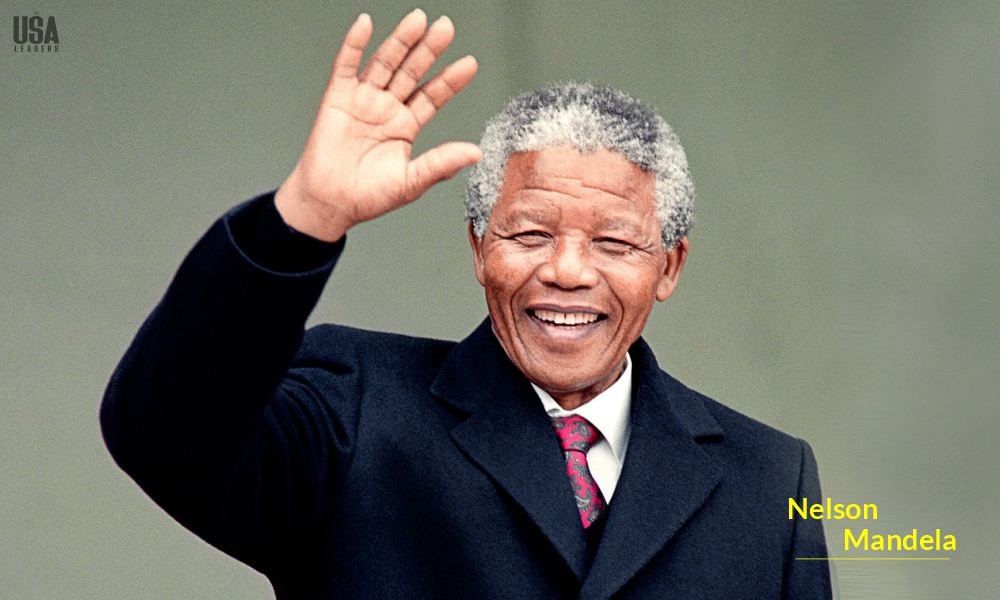
Nelson Mandela was the first president of South Africa, who played the main role in the anti-apartheid struggle of the country. ‘Long Walk to Freedom’ is the autobiography of Nelson Mandela, in which he mentioned his experiences in prisons. He successfully managed to unite his country and motivate them for freedom from racism. By demonstrating peaceful protests against the racist South African government, he improved the lives of his people and received the Nobel Peace Prize for his efforts.
“It always seems impossible until it’s done.” — Nelson Mandela
Specific Achievement: Mandela’s leadership of the negotiated transition from apartheid to democracy in South Africa, achieved without the descent into civil war that many observers feared, is considered one of the most remarkable political achievements of the modern era.
Leadership Lesson: The ability to forgive without forgetting is one of the highest forms of leadership. Mandela showed that personal transformation choosing reconciliation over revenge can transform entire societies.
8. Winston Churchill
| Born Nov 30, 1874 | Known For Leading Britain in WWII | Key Achievement: Allied victory in World War II | Award Nobel Prize in Literature, 1953 |
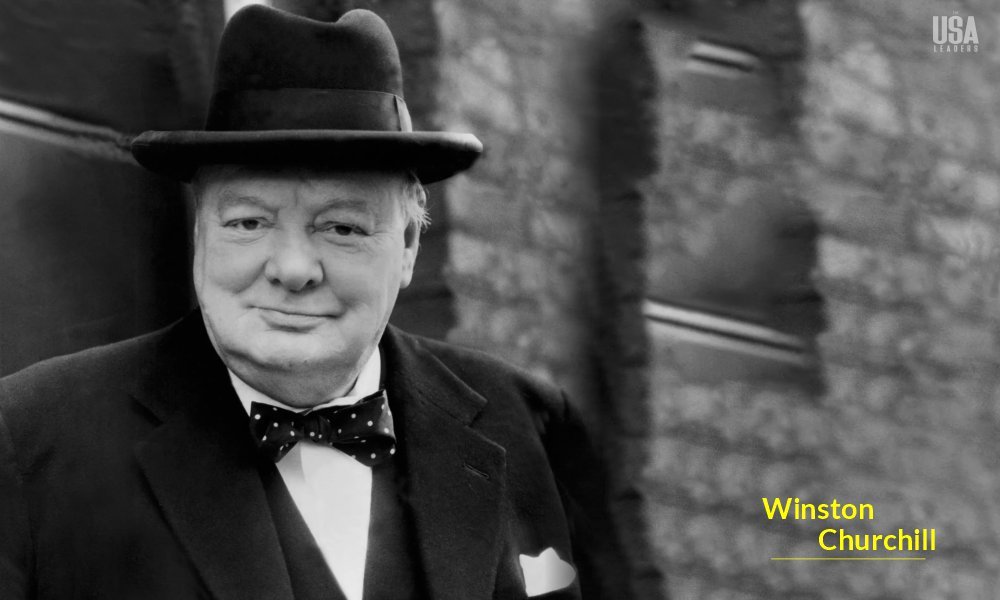
A man who received Nobel Prize for Literature for being a prolific writer, who came to be known as a political leader during the Second World War, is named Winston Churchill. He led Britain and Allied nations against the Nazis to defend democracy and built diplomatic relations with the USA and Russia. His wisdom, oratory skills, persistence, and upright character led Britain from the brink of defeat to victory. He struggled for 40 years to become British Prime Minister and created history by establishing post-war peace at the universal level on mission mode.
Specific Achievement: Churchill’s decision in May–June 1940 to refuse any negotiated peace with Nazi Germany, maintained against significant internal pressure, kept Britain in the war at its most desperate moment and preserved the platform from which the Allied counteroffensive was ultimately launched.
Leadership Lesson: Leadership during a crisis means standing firm even when giving up seems easier. Churchill’s greatest strength was his ability to stay focused on the right long-term choice, instead of being pressured by short-term fears or urgency.
9. Mahatma Gandhi
| Born Oct 2, 1869 | Known For Non-violent resistance (Satyagraha) | Key Achievement: Led India’s independence movement | Award Time Person of the Century (runner-up) |
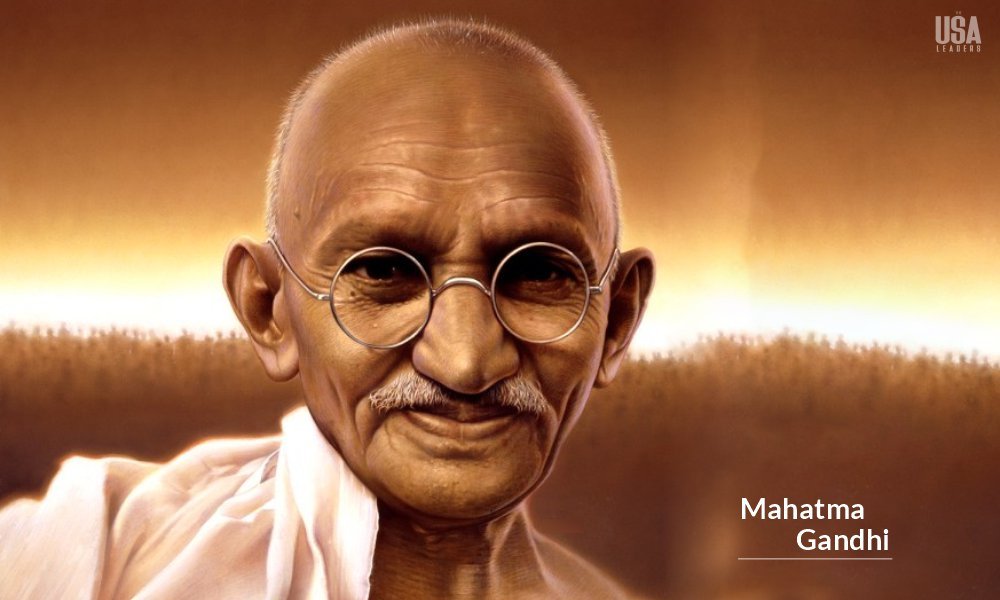
Mahatma Gandhi was an anti-war activist and Indian freedom fighter who fought for their independence rights and values. Originally known as Mohandas Karamchand Gandhi, he led South African people to protest against segregation and discrimination based on racism. He introduced the concept of ‘Satyagraha’ by organizing non-violent protests against the British government and fulfilling the demands of Indians peacefully. The Quit India Movement, the Non-Cooperation Movement, and the Civil Disobedience Movement are some of the examples of ‘Satyagraha’ in India.
Specific Achievement: The 1930 Salt March, in which Gandhi led 78 volunteers on a 240-mile walk to the sea to make salt in defiance of British law, triggered a nationwide civil disobedience campaign that mobilized millions and forced Britain to negotiate directly with Indian leaders for the first time.
Be the change you wish to see in the world.” – Mahatma Gandhi
Leadership Lesson: Moral authority comes from personal sacrifice and consistent actions, and it lasts longer than power gained through force. Gandhi’s influence existed because millions chose to respect him something no government could ever take away.
10. Malala Yousafzai
| Born Jul 12, 1997 | Known For Girls’ education advocacy | Key Achievement: Youngest Nobel Peace Prize laureate | Award Nobel Peace Prize, 2014 |
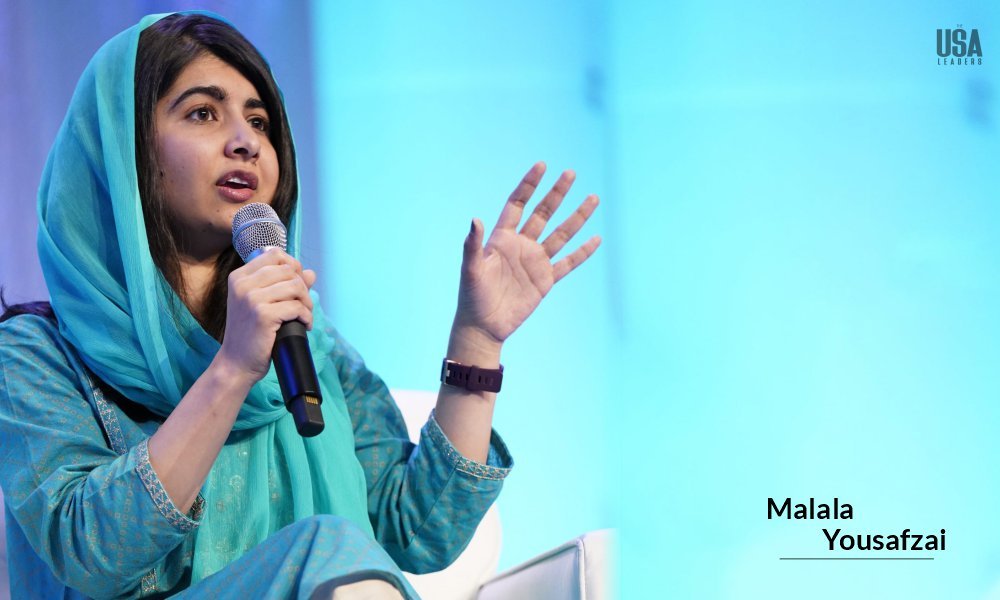
Malala Yousafzai became the youngest Nobel Peace Prize winner in 2014 at just 17 years old. She is one of the strongest voices for girls’ education and human rights today, and her story shows remarkable courage in the face of life-threatening opposition.
Growing up in Pakistan’s Swat Valley, Malala started writing an anonymous blog for BBC Urdu at just 11 years old. She shared what life was like under Taliban rule and how girls’ schools were being destroyed. Her father, Ziauddin Yousafzai, was an education activist, and together they spoke out for girls’ right to education, even though it put their lives at serious risk.
On October 9, 2012, a Taliban gunman shot her in the head while she was on her school bus. She survived after emergency surgery in Pakistan and further treatment in the United Kingdom. Instead of stopping her, the attack made her a global voice for education rights. In 2013, she spoke at the United Nations on her 16th birthday, and in 2014 she co-founded the Malala Fund, a nonprofit that works to provide 12 years of free, quality education for every girl.
Appointed as a United Nations Messenger of Peace in 2017, Malala continues to speak out worldwide for the 130 million girls who are still out of school.
Specific Achievement: The Malala Fund, started by Malala and her father in 2013, is now a global organization working in eight countries. It supports policy changes and education programs that have helped more than 100,000 girls go to school.
“One child, one teacher, one book, one pen can change the world.” – Malala Yousafzai, Address to the United Nations, July 12, 2013
Conclusion: What Makes a Great Leader?
The 10 greatest leaders in the world came from different times, cultures, and backgrounds. Yet they shared key traits: strong moral courage, the power to inspire people, dedication to a cause bigger than themselves, and the strength to keep going despite failure and opposition.
Martin Luther King Jr. proved that love and moral courage are stronger than hate and violence. Nelson Mandela showed that forgiveness can achieve more than anger. Mahatma Gandhi demonstrated that peaceful cooperation can be the most powerful political force. Winston Churchill showed that refusing to give up at a critical moment can change history.
These leaders still matter in 2026 not because of history or nostalgia, but because the problems they fought—injustice, inequality, abuse of power, and limits on education and freedom still exist today. Their lessons are not just memories from the past; they are practical guides for anyone who wants to create real change in the world now.
FAQs
Who is considered the greatest leader in world history?
Abraham Lincoln, Nelson Mandela, Mahatma Gandhi, and Winston Churchill are most often named as the greatest leaders in world history because of their lasting influence on democracy, human rights, and global peace. While opinions vary across cultures and historians, these four leaders consistently rank at the top worldwide.
Who is the greatest leader of the 21st century?
Malala Yousafzai is one of the most influential leaders of the 21st century. She is known worldwide for bravely standing up for girls’ education and human rights, and in 2014, she became the youngest Nobel Peace Prize winner in history.
What qualities do the world’s greatest leaders share?
Great leaders around the world show a few key qualities: the courage to do what is right even when it’s risky, a clear vision for the future, the ability to inspire people to work together, strength to bounce back from failure, and dedication to goals bigger than themselves.
What leadership lesson can we take from Mahatma Gandhi?
Gandhi taught that real power comes from living by your values and making personal sacrifices, not from using force. His idea of Satyagraha, non-violent action based on truth inspired leaders like Martin Luther King Jr. and Nelson Mandela, along with many freedom movements around the world.
Why is Martin Luther King Jr. considered a great world leader?
Martin Luther King Jr. is remembered as one of history’s greatest leaders because he led the most successful non-violent civil rights movement in the United States. His efforts helped bring major changes, including the Civil Rights Act of 1964 and the Voting Rights Act of 1965. He proved that peaceful, organized action could challenge unfair laws while promoting love instead of hate.
Tejas Jadhav
Also Read: How Many Billionaires Are In The World? 2026 Global Count & Top Facts