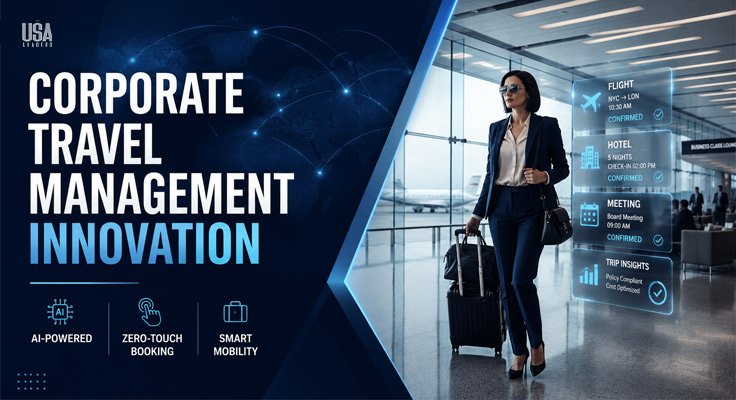
In 2026, corporate travel is moving toward zero-touch booking. AI can read a calendar invitation, create a trip plan that adheres to company rules, and send it for one-tap approval. This makes booking faster and easier while helping companies reduce costs, avoid travel issues, and manage expenses better.
The Next Era of Business Travel
Corporate travel once meant using three different websites. Employees had to compare prices manually and wait for a manager’s approval before booking a business trip. Today, that slow process is changing.
The Global Business Travel Association expects global business travel spending to reach a record $1.71 trillion in 2026. It also estimates 1.84 billion business trips this year. Since spending is growing faster than the number of trips, companies need to manage every travel dollar carefully.
This pressure is driving new ideas in corporate travel management. Since it is already 2026 and CTM/platforms are actively testing or deploying this, change “could soon create” to “can now generate.” Present it as an active feature rather than a distant future prediction. Travel is becoming a way to save time, control costs, and support business growth.
This shift toward automated travel, shared traveler data, and better cost control is changing what modern business travel providers offer. It is also changing the daily role of corporate travel managers.
1: Zero-Touch Mobility Systems
How Zero Touch Corporate Travel Works
Zero-touch corporate travel is a booking system that manages the entire trip through software. It handles everything from booking the trip to submitting the final expense report, without requiring the traveler to search or book manually.
Corporate Travel Management (CTM), one of the larger corporate travel agencies in the industry, is already testing this workflow for routine trips. Its AI manages each step, from the first request through the final expense report.
Here’s how it works. An executive accepts a meeting invite in Microsoft Teams or Outlook. The system checks the trip against company travel policies and searches flights and hotels from approved partners.
It then shows one approved travel plan directly in the chat app. The traveler can confirm the booking with one tap on a phone or computer. There is no need to switch between websites or enter details manually.
Researchers call this a “trust flywheel.” When travelers see that the system regularly finds good options that follow company rules, they stop using outside booking sites. This keeps more company travel spending within approved and trackable channels.
This is also a key direction for modern travel technology. Many travel teams now see traditional booking portals as only a temporary solution. The industry is moving toward booking travel through the apps employees already use for work instead of making them visit a separate website.
2: Solving Data Fragmentation for Executive Trips
What is Corporate Travel Management in 2026?
Modern corporate travel management extends far beyond booking flights and hotels. It spans travel policies, budget allocations, compliance rules, duty of care, and the overall traveler experience.
In the past, this information lived in disconnected systems. Expense platforms, hotel programs, ground transit providers, and travel services rarely communicate.
By unifying these disparate tools into a single traveler profile, software can now anticipate logistical issues before they happen. For instance, if a flight is delayed, the system can automatically update ground transportation pickup times and send an alert to the hotel for a late check-in. This is predictive mobility in action.
Personalization has quickly become a core benchmark for business travel software. A platform that merely processes transactions without learning from historical travel patterns is already obsolete.
How Corporate Clients Manage Multiple Travelers on One Itinerary
Unified data systems are equally vital for group logistics and multi-person trips. When a sales team heads to the same regional conference or client site, travel managers can view cumulative hotel occupancy, ground transfers, and spend in a single dashboard rather than tracking disjointed individual bookings.
3: Dynamic Policy and Cost Control
Rate Engines That Adjust in Real Time
Fixed travel policies often fail when prices suddenly rise. A set hotel limit or flight budget may look fine, but higher prices can lead to rejected bookings or out-of-policy purchases.
For busy domestic flights booked less than two days before departure, fares can be nearly twice the average price. This gap is growing as flights become fuller.
Dynamic pricing policies solve this by adjusting spending limits based on real-time demand, local events, and past booking trends. They help travelers stay within the overall travel budget.
Unlike traditional travel programs that update limits only once or twice a year, these systems adjust spending as prices change. Many companies also use virtual corporate cards to automatically control spending when a booking is made.
The system also helps manage travel problems and keep travelers safe. If a flight is delayed or a storm affects the trip, it can automatically find a suitable new flight, update the hotel, and record the change. In many cases, this happens before the traveler even gets a cancellation alert.
AI use supports this trend. About 80% of business travelers already use generative AI to help plan trips. More than half are also comfortable letting AI handle the full process, from booking flights and hotels to submitting expense reports, according to FCM Travel research.
For CFOs, this flexibility can save money. It also cuts costs caused by higher last-minute fares and the time employees spend changing bookings manually.
Corporate Travel Managers Become Systems Auditors
A New Role, Not a Smaller One
None of this means companies no longer need travel managers. Their role is simply changing.
In the past, travel managers spent much of their time checking policies and approving bookings manually. Now, automation handles much of this routine work, so managers focus more on checking how the AI makes decisions.
They use data to monitor compliance instead of reviewing every booking. They also make sure the AI follows company policies and that its decisions can pass compliance checks.
This requires new skills. Travel managers now use dashboards to track key numbers, such as off-policy bookings, booking times, and how quickly the system handles travel disruptions.
They also explain the results to company leaders. A good travel manager can show how AI reduces costs, improves service, and keeps travel policies on track.
For this system to work, companies need three things: clean data, a gradual rollout that helps employees trust the new process, and clear reports showing exactly how much money the automation saves.
Conclusion: Building a Scalable Mobility Framework
Corporate travel management improves through small steps, not one big software purchase. First, bring all travel data into one traveler profile. Then, automate simple bookings that make up most business trips.
Once the system is reliable, add flexible travel policies. Companies that automate too quickly without clean data often face more problems and exceptions.
Global business travel spending is expected to exceed $1.71 trillion this year and reach nearly $2 trillion by 2030. At the same time, old booking systems are becoming more costly. For business leaders, the key question is not whether to automate, but where to start.
The best corporate travel programs combine AI-powered booking with reliable data and strong oversight. This helps companies cut costs, follow travel policies, and keep employees safe. It works for both simple, same-day flights and complex executive trips.
Which part of your travel program should be automated first: regular domestic bookings, executive travel, or handling travel disruptions?
FAQs
- What does corporate travel management include?
Corporate travel management is the system a company uses to plan, book, and oversee employee business trips. It covers travel policy, budgets, compliance, supplier relationships, and traveller support from booking through the final expense report.
- What does a corporate travel manager do in 2026?
A corporate travel manager today audits automated booking systems, checks data quality, and tracks compliance and savings. The role has shifted from manual approvals toward algorithm oversight and reporting.
- How does enterprise travel automation differ from older travel software?
Enterprise travel automation works predictively. It rebooks disruptions and personalizes a stay before anyone asks, while older business travel software mostly waits for a traveler to book flights and hotels by hand.