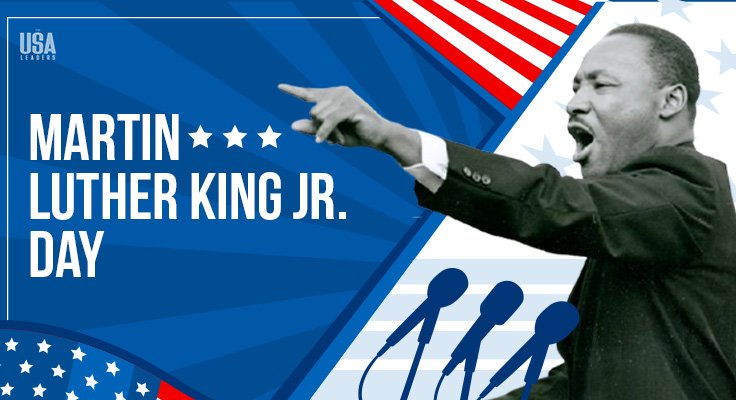
Martin Luther King Jr. Day almost didn’t exist.
For more than a decade after Dr. Martin Luther King Jr. (MLK)’s assassination, the idea of honoring a civil rights leader with a federal holiday unsettled the nation.
Congressional votes stalled. States resisted. The question beneath the debate was uncomfortable but unavoidable: Was the fight for civil rights central to America’s identity or something it preferred to remember at a distance?
Today, the holiday arrives each January with familiar rituals. Offices close. Schools pause. Speeches are replayed.
Yet this calm observance conceals a turbulent history shaped by protest, political resistance, and moral reckoning. For many at the time, Dr. King’s vision of equality challenged power too directly and demanded accountability too publicly.
That tension is precisely why the day still matters. Unlike most federal holidays rooted in wars or political milestones, it honors conscience over conquest and courage over authority.
To understand this day truly is to trace how a once-controversial legacy became a national commitment and why the ideals it represents remain unfinished.
1. What Martin Luther King Jr. Day Represents
More Than a Day Off
Martin Luther King Jr. Day is a U.S. federal holiday honoring the life and legacy of Dr. Martin Luther King Jr., a central leader of the American civil rights movement. Its purpose goes far beyond remembrance.
Often referred to simply as MLK Day, the observance reflects how deeply his legacy is woven into American civic life.
The day stands as a national acknowledgment that the struggle for civil rights reshaped the moral framework of the United States.
A Rare Honor in American History
Dr. King is one of the very few individuals to be honored with a federal holiday, a distinction shared by only a small number of foundational figures. This places his legacy alongside the nation’s most defining moments, achieved not through office or authority, but through moral leadership.
When the Nation Observes It
The holiday is observed on the third Monday of January, close to Dr. King’s birthday on January 15. This timing ensures a consistent national observance while encouraging reflection at the start of each year.
2. The Life That Led to a National Holiday
A Leader Shaped by Faith and Justice
Born in 1929 in Atlanta, Georgia, Martin Luther King Jr. grew up witnessing the daily realities of racial segregation. His worldview was shaped by faith, education, and a belief that moral persuasion could confront injustice more powerfully than violence.
Nonviolence as a Strategy, Not a Slogan
Dr. King’s commitment to nonviolent resistance was deliberate and disciplined. Inspired by Mahatma Gandhi, he believed peaceful protest exposed the moral contradictions of injustice, compelling society to confront its own values rather than ignore them.
Moments That Changed a Nation
From the Montgomery Bus Boycott to the March on Washington, Dr. King’s leadership helped secure landmark legislation, including the Civil Rights Act of 1964 and the Voting Rights Act of 1965.
These achievements were not inevitable; they were earned through sustained sacrifice and resistance.
3. The Long Road to Making Martin Luther King Jr. Day a Holiday
A Nation Divided Even After His Death
Following Dr. King’s assassination in 1968, calls for a national holiday emerged almost immediately. Yet resistance followed. Critics questioned whether a civil rights leader should receive the same recognition as presidents or founding figures.
Fifteen Years of Advocacy
The effort to establish this holiday took more than a decade. Civil rights leaders, activists, labor unions, and citizens organized marches, petitions, and national campaigns to keep the issue alive in public consciousness.
Federal Recognition at Last
In 1983, Congress passed legislation establishing the holiday, signed into law by President Ronald Reagan. The first nationwide observance took place in 1986, though some states delayed full recognition, highlighting how contested Dr. King’s legacy remained long after his death.
4. Why the Holiday Became a Federal Observance
A Statement of National Values
By designating Martin Luther King Jr. Day as a federal holiday, the United States formally acknowledged that the civil rights movement is a foundational part of its national history, not a footnote to it.
Closing Offices, Opening Conversations
Federal recognition ensures visibility. When offices close, and schools pause, space is created for education, dialogue, and reflection, an increasingly rare opportunity in modern civic life.
Preserving Memory at the National Level
Federal recognition embeds Dr. King’s legacy into public institutions, education systems, and civic calendars, ensuring the civil rights movement remains part of the nation’s shared historical record.
5. The Meaning Behind the Day of Service
Turning Memory Into Action
Martin Luther King Jr. Day is officially recognized as a National Day of Service, encouraging Americans to volunteer rather than simply observe.
Service as a Form of Leadership
Dr. King believed leadership was inseparable from service. Community work, whether mentoring, cleaning neighborhoods, or supporting local organizations, reflects that belief in action.
Why This Approach Is Unique
No other federal holiday places such emphasis on civic engagement. The Day of Service transforms remembrance into responsibility, aligning action with values.
6. Why Martin Luther King Jr. Day Still Matters Today
Federal recognition preserves memory. Relevance, however, must be earned repeatedly.
Martin Luther King Jr. Day still matters because the questions Dr. King raised were never meant to be historical; they were meant to be lived.
Progress Does Not Mean Completion
While the nation has made significant strides since the 1960s, many of the issues Dr. King addressed, inequality, access to opportunity, and social division, continue to shape American life.
A Reminder Without Accusation
The holiday is not designed to assign blame. Instead, it invites reflection. It asks individuals and institutions alike to consider how closely their actions align with the principles of justice and fairness.
Teaching History With Purpose
For younger generations, MLK Day often serves as an entry point into civil rights history. When taught thoughtfully, it becomes a lesson not just about the past, but about civic responsibility.
7. How Martin Luther King Jr. Day Is Observed Across the U.S.
Educational Programs and Public Events
Schools, museums, and cultural institutions host lectures, exhibits, and discussions exploring Dr. King’s life and the broader civil rights movement.
Community-Based Initiatives
Local organizations often lead volunteer drives, reinforcing the idea that meaningful change begins at the community level.
Quiet Reflection
For many, the day is also personal, a time to read, listen, and reflect on Dr. King’s words and their relevance today.
Key Takeaway
Martin Luther King Jr. Day is not a pause from responsibility; it is a call to it. The holiday exists because one man’s belief in justice changed laws, challenged norms, and reshaped national values.
By remembering his legacy through learning, service, and reflection, the day continues to serve its highest purpose: reminding a nation of what it strives to be.
If this story made you pause and reflect, share it.
Understanding why Martin Luther King Jr. Day exists is the first step toward honoring what it asks of us.
FAQs
- Why isn’t Martin Luther King Jr. Day always on his birthday?
Dr. King’s birthday falls on January 15, but Congress designated the third Monday of January to ensure a consistent nationwide observance and encourage broader public participation.
- Why was MLK Day controversial at first?
The holiday faced strong resistance after Dr. King’s death, reflecting deep national divisions over civil rights and racial equality issues that the movement itself sought to confront.
- Why is MLK also called a Day of Service?
It is officially recognized as a National Day of Service, encouraging Americans to honor Dr. King’s legacy through community action rather than passive remembrance.
- What responsibility does Martin Luther King Jr. Day place on future generations?
It challenges future generations to uphold justice, equality, and service, turning remembrance into meaningful action.