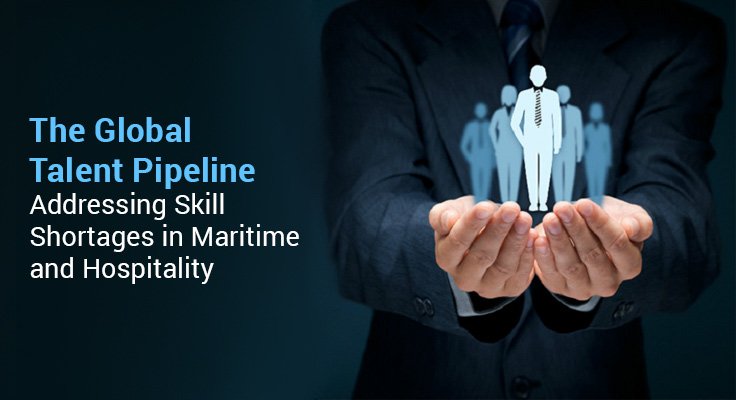
If you’re in these industries, you probably feel the pressure to find skilled professionals who can keep things running. Both maritime and hospitality depend on a mix of technical know-how, top-notch service, and a good dose of cultural awareness. You can really boost your operations—and close those stubborn skill gaps—by building a global talent pipeline that connects ambitious folks with the roles that need them most.
Maritime shipping keeps asking for more qualified officers, engineers, and IT specialists. The maritime workforce shortage hits ports and fleets everywhere, especially those busy cruise operations in Miami. Hospitality isn’t faring much better—hotels and cruise lines scramble to find staff trained in guest experience, management, and new tech, often struggling to keep up with service standards.
So what’s the move? Rethink how you develop and share talent across borders. Global partnerships, smarter training, and long-term workforce planning can help both sectors stay resilient and competitive—because the world’s not slowing down anytime soon.
Understanding the Specialized Skill Shortage in Maritime and Hospitality
These days, it’s tough to find skilled pros who can deal with advanced tech, new rules, and ever-shifting customer expectations. These challenges are changing the way organizations attract, train, and hang onto talent in maritime and hospitality.
Key Drivers Behind the Talent Gap
What’s causing this global talent shortage? Well, a few things. Economic recovery, digital transformation, and changing workforce preferences have all made the skills gap wider—especially in service and technical jobs. The maritime world, for instance, is trying to keep up with bigger fleets and stricter safety and sustainability rules.
Hospitality, especially in places like the Miami cruise workforce, has to compete for people who can handle both the technical side and customer service. Insights from Red Consultancy point out that the maritime industry is still short on skilled labor, and that education and industry need to work together more closely.
- Not enough training paths for specialized jobs
- Younger people just aren’t as interested in technical trades
- Fierce competition for workers with digital skills
If nobody steps in, the talent gap will keep slowing down modernization and putting strain on business operations.
Impact of Demographic Shifts and Aging Workforce
An aging workforce is a big deal for both fields. A lot of experienced maritime pros are heading into retirement, and younger folks aren’t stepping in fast enough. The Drewry Manning Report 2025/26 even predicts a 10% officer shortage by 2030—yikes.
Hospitality, especially at sea, feels this too. Older employees retire early because shipboard work is tough, and not many young people see maritime hospitality as a long-term gig.
Table: Effects of an Aging Workforce
| Sector | Impact | Example |
| Maritime | Fewer licensed officers | Retired captains not replaced on time |
| Hospitality | Staffing shortfalls | Miami cruise restaurants hiring abroad |
| Logistics | Decline in skilled dockworkers | Increased port congestion |
You can ease these gaps with mentoring and incentives that bring in and keep younger professionals—before the experience drain gets worse.
Technological Advancements and Skills Mismatch
Here’s another twist: automation, AI, and green energy are changing what skills people need. Maritime is all-in on digital systems for routes, cargo, and emissions. But a lot of seafarers just don’t have the digital chops to handle the latest tech, so there’s a real skills mismatch.
Hospitality’s leaning hard on property management systems, robotics, and contactless tools, but many frontline staff haven’t had the training to use them well. Research from Ship Universe shows maritime firms still struggle to attract people who can juggle digital and sustainability goals at the same time.
So, what helps?
- Grow vocational programs that mix technical and digital skills.
- Team up with tech providers for hands-on training.
- Make sure academic programs match what the workforce actually needs now.
Each of these steps builds adaptability and gets people ready for ongoing tech changes.
Consequences for Business Growth and Operations
This skill shortage really hits productivity and revenue. Without enough trained folks, shipping slows down, maintenance costs go up, and service quality takes a hit. Ports get disrupted, and hotels or cruise lines cut capacity when they can’t fill key roles.
MDPI’s study on maritime workforce dynamics points out that both seaside and landside jobs are short on highly skilled people, which hurts competitiveness.
Recruitment and retention get pricier, which slows down growth and innovation. Some places rely on visa programs or international hires to plug the gaps, but that’s not really a long-term fix for sustainable business growth.
If you want to tackle these issues, you’ll need better workforce planning, targeted training, and real collaboration between industry players to keep things resilient and the service up to par.
Building and Enhancing the Global Talent Pipeline
Solid global talent development isn’t magic—it’s about mixing smart recruitment, ongoing training, and modern tech. When you line up education, digital tools, and international partnerships with clear strategies for growth and retention, your workforce gets a lot stronger.
Effective Recruitment and Talent Acquisition Strategies
To fill those tricky gaps in maritime and hospitality, you’ve got to get recruitment right. Spell out what you need—technical certs, safety know-how, soft skills. In competitive spots like Miami’s cruise scene, clear job descriptions and career paths matter a lot.
Let data lead the way. Use applicant tracking and AI screening tools to find qualified people faster. Aglobal talent acquisition strategy should cover cultural fit and legal stuff, and always stick to ethical hiring. Stay in touch with candidates through events and online fairs—keeping engagement up across markets helps.
Good pay, fair relocation help, and a solid onboarding process all help cut turnover. When you recruit with structure, you keep operations steady and always have access to great maritime engineers, hotel managers, and tech staff.
Upskilling, Reskilling, and Training Programs
Teams only stay strong if they keep learning. You can fight skill shortages by rolling out targeted upskilling and reskilling—focus on what the industry needs now. For shipboard and hospitality jobs, digital training in energy efficiency, culinary management, and guest experience keeps things fresh.
Mix it up: combine online learning with hands-on training and real-life simulations. If you track progress with performance metrics, you’ll know who’s growing and where teams stand.
Work with trusted training providers or academies to keep things consistent. iMocha’s research shows structured training cuts hiring delays and helps meet global standards.
Leveraging Global Talent Pools and Remote Work
Why limit yourself to one region? Expanding your hiring reach means you can tap into skilled people worldwide. Building a global talent pipeline connects you with pros in different time zones and eases the pressure on local markets. This approach works for both onshore and seafaring jobs, giving you more flexibility and diversity.
Remote work is a real game-changer. You can bring in software developers, HR folks, or logistics coordinators from anywhere, and keep everyone collaborating through secure digital platforms.
But don’t forget: you’ll need to stick to regional labor laws and offer cross-cultural communication training. Setting clear expectations and having transparent feedback keeps remote and hybrid teams running smoothly.
Employee Development, Mentorship, and Employer Branding
If you want to attract and keep talent, strong employer branding is key. Foster a workplace that values mentorship and growth. Set up programs where senior staff mentor new hires—it’s great for long-term development.
Show off your career paths with internal job boards and clear promotion criteria. Recognition programs and networking events help people feel like they belong.
Keep your branding consistent across social media and recruitment channels. A good reputation draws in new applicants and helps keep your team happy—especially in high-turnover fields like cruise and resort management.
The Role of AI, Automation, and Machine Learning in Talent Management
AI and automation can make your talent pipeline way more efficient. Smart hiring platforms analyze candidate data, predict turnover, and spot people who are ready to move up. Tools using machine learning in talent pipeline management make resume screening and skills matching a breeze.
Automation also speeds up background checks, shift planning, and compliance. With real-time performance data, you can make more objective decisions—no more guesswork.
AI chatbots can handle the first round of candidate questions and schedule interviews, freeing up recruiters for the stuff that really needs a human touch. Used ethically, these tools don’t replace people—they just make things smoother and let your team focus on what matters most.
Strategic Partnerships, Internships, and Scholarships
Let’s face it—future-proofing your workforce isn’t something you can do alone. When you team up with maritime academies, hotel schools, or technical colleges, you’re not just ticking boxes; you’re actually building a steady pipeline of talent. These collaborations with schools that focus on specialized training? They just make sense. Internship programs give students a real taste of the working world, and honestly, employers get a sneak peek at tomorrow’s top talent.
Offering scholarships in areas like hospitality management, marine engineering, or information systems is a smart move. You end up attracting ambitious learners from all kinds of backgrounds. And if you join forces with workforce initiatives—think regional hospitality councils or your local port authority—you suddenly have a much wider pool to choose from.
Why not try out bilateral partnerships? Maybe set up exchange programs or even shared training centers. If you want some inspo, check out this guide on global talent development frameworks—it’s clear that when schools and industry actually talk to each other, you get way more consistent skills and standards, no matter where you are.
Also Read: Why Ball Valves Are Essential for Efficient Water Management in Warehouses