
If you’re planning to buy a car in 2026, one question matters more than ever: Should you go fully electric or choose a hybrid?
For many executives, fleet managers, and everyday drivers, the answer is becoming clear. Hybrids offer strong fuel efficiency, lower emissions, and long driving range, all without depending on charging infrastructure.
These vehicles reduce fuel costs immediately, require no lifestyle changes, and still align with sustainability goals.
And the numbers back it up.
The Hybrid vehicle Market value is crossing $335 billion, with adoption rising across the U.S. and globally. Also, automakers are shifting major models to hybrid-only platforms, proving that this is no longer a niche category; it’s a dominant strategy.
In this blog, we break down the best hybrid cars of 2026 across various categories, while examining the market trends, production shifts, and data that explain why hybrids are owning the road in 2026.
So, if you’re evaluating your next vehicle or advising others, this guide will help you make a smarter, future-ready choice!
The Market Case for Hybrids in 2026
A clear winner is emerging in the automotive industry’s transition toward efficiency. Hybrid vehicles are rapidly becoming the preferred platform for executives, fleet operators, and automakers seeking to balance emissions reduction, operational flexibility, and cost efficiency.
Unlike fully electric vehicles, hybrids deliver immediate efficiency gains without requiring charging infrastructure investment or operational changes, making them uniquely suited to current market and infrastructure realities.
This shift is reflected in both global market expansion and accelerating adoption across major automotive markets:
- Global hybrid market expansion: According to Fortune Business Insights, the global hybrid vehicle market is projected to reach $335.21 billion in 2026, growing to $570.78 billion by 2034, representing a 6.9% compound annual growth rate(CAGR).
- Consistent analyst consensus: Multiple independent market analysts estimate the 2026 hybrid market size between $335 billion and $337 billion, reflecting stable and sustained global demand.
- Rising electrified vehicle adoption in the U.S.: The U.S. Energy Information Administration (EIA) reports that 22% of all light-duty vehicles sold in 2025 were hybrids, plug-in hybrids, or battery electric vehicles, up from 20% in 2024, demonstrating accelerating adoption.
- Non-plug-in hybrids gaining share: Within the electrified vehicle category, conventional hybrids continued gaining market share, while pure EV share declined following the expiration of federal tax credits in September 2025, highlighting hybrids’ practical advantages without reliance on incentives.
Automakers are responding by accelerating hybrid production and transitioning key models to hybrid-first platforms:
- Ford announced in December 2025 that it expects approximately 50% of global sales by 2030 to consist of hybrids, extended-range EVs, and electric vehicles, up from 17% currently, reflecting stronger-than-expected hybrid demand.
- Toyota has transitioned major models to hybrid-only platforms, including the 2026 RAV4 and 2025 Camry, signaling a long-term strategic commitment to hybrid powertrains.
This rapid market expansion and clear automaker commitment have produced a new generation of hybrid vehicles that deliver exceptional performance, efficiency, and executive-level capability.
The following models represent the best hybrid car options available in 2026.
Executive Picks: Best Hybrid Cars for 2026
These models offer the strongest combination of performance, efficiency, reliability, and executive presence based on verified manufacturer specifications and independent testing.
| Model | Category | Key Specification / Advantage |
| Toyota RAV4 Hybrid | Compact SUV | America’s best-selling vehicle in 2024 (475,193 units) and the world’s top-selling car globally; the 2026 model is hybrid-only |
| Lexus RX 500h | Luxury SUV | 366 horsepower with premium executive comfort |
| Porsche Cayenne Hybrid | Performance SUV | Combines Porsche performance engineering with hybrid efficiency |
| Honda Civic Hybrid | Compact Sedan | EPA-rated 49 mpg combined (50 city / 47 highway) with 200 hp, quickest non-Type R Civic ever built |
| BMW X5 xDrive50e | Plug-in Hybrid SUV | EPA-rated 39 miles of all-electric range; 483 hp combined; 0-60 in 4.6 seconds |
Detailed Review of the Best Hybrid Cars for 2026
These best hybrid cars reflect the industry’s latest advancements, offering executives and fleet buyers a proven balance of operational efficiency, long-term reliability, and premium driving experience.
- Toyota RAV4 Hybrid
Category: Compact SUV
Powertrain: 2.5L 4-cylinder hybrid system
Combined output: 219 horsepower
Fuel economy: Up to 40 mpg combined
Driving range: Approximately 580 miles per tank
The Toyota RAV4 Hybrid remains the benchmark for practical executive mobility. It combines exceptional fuel efficiency with proven reliability and strong resale value.
Its hybrid system delivers smooth power delivery and confident acceleration, while standard electronic all-wheel drive enhances traction in varying conditions.
Inside, the RAV4 Hybrid offers a refined cabin with premium materials, advanced infotainment, and comprehensive driver assistance systems, including adaptive cruise control, lane centering, and collision mitigation.
Its cargo capacity and comfort make it especially suitable for executives who require both daily usability and long-distance capability.
The transition to a hybrid-only RAV4 lineup reflects Toyota’s confidence in hybrid technology as the optimal balance between efficiency, performance, and operational simplicity.
- Lexus RX 500h
Category: Luxury SUV
Powertrain: Turbocharged hybrid performance system
Combined output: 366 horsepower
Fuel economy: Approximately 27 mpg combined
0–60 mph: Approximately 5.9 seconds
The Lexus RX 500h represents the premium tier of hybrid executive transport. It delivers strong acceleration and refined performance while maintaining meaningful efficiency gains over comparable gasoline luxury SUVs.
The interior emphasizes executive comfort, featuring ventilated leather seating, advanced noise insulation, and a large high-resolution infotainment system.
Lexus’s reputation for reliability and long-term durability makes the RX 500h especially attractive for executives prioritizing both comfort and operational dependability.
Its hybrid powertrain enhances low-speed responsiveness while maintaining quiet operation during highway cruising.
- Porsche Cayenne Hybrid
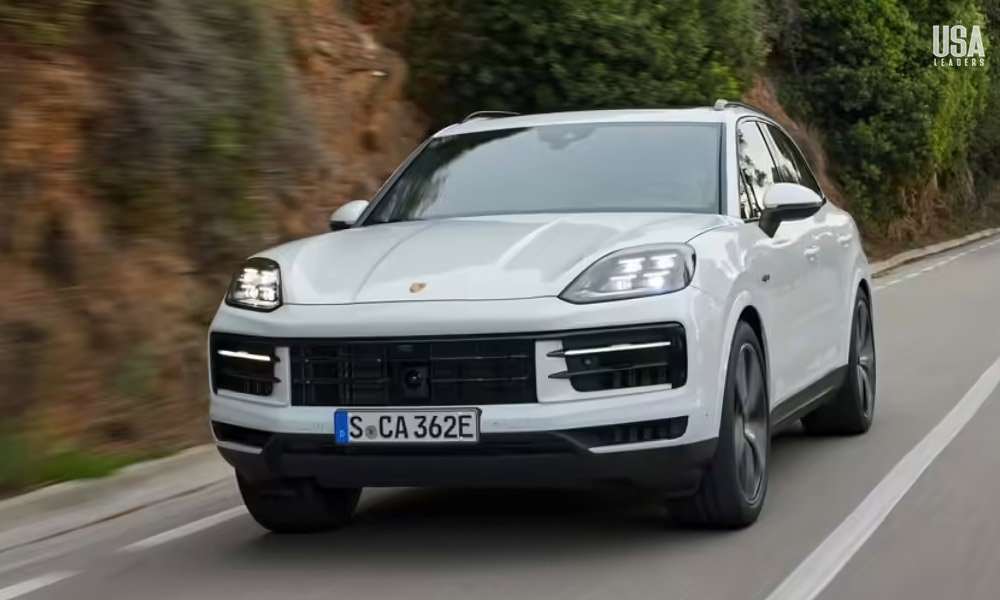
Category: Performance luxury SUV
Powertrain: Turbocharged V6 with hybrid assist
Combined output: Up to 463 horsepower (depending on variant)
Electric range (plug-in models): Approximately 30–50 miles
The Porsche Cayenne Hybrid demonstrates that hybrid technology can enhance performance rather than compromise it.
Instant electric torque improves acceleration response, while hybrid integration enhances overall efficiency. The Cayenne maintains Porsche’s hallmark driving dynamics, including precise steering, balanced handling, and strong braking performance.
Its interior offers executive-grade craftsmanship, advanced digital displays, and extensive customization options. For executives seeking both performance and sustainability alignment, the Cayenne Hybrid represents one of the most compelling options available.
- Honda Civic Hybrid
Category: Compact sedan
Powertrain: 2.0L hybrid system
Combined output: 200 horsepower
Fuel economy: Up to 49 mpg combined
Driving range: Approximately 620 miles
The Honda Civic Hybrid delivers exceptional efficiency without sacrificing driving engagement. Its hybrid system provides strong low-speed torque, making acceleration responsive and smooth in urban and highway driving.
The Civic Hybrid also offers a well-designed interior with intuitive controls, excellent visibility, and advanced safety systems. Its lower acquisition cost, combined with outstanding fuel efficiency, makes it one of the most cost-effective hybrid vehicles available.
This model is especially well-suited for executives seeking maximum efficiency and reliability with minimal operating costs.
- BMW X5 xDrive50e
Category: Plug-in hybrid luxury SUV
Combined output: 483 horsepower
All-electric range: Approximately 39 miles
0–60 mph: Approximately 4.6 seconds
The BMW X5 xDrive50e combines electric driving capability with high-performance hybrid integration. Its plug-in hybrid system enables short daily commutes using electric power alone, while the gasoline engine provides long-distance flexibility.
The X5’s interior reflects BMW’s executive focus, with premium materials, advanced digital interfaces, and extensive driver assistance features.
Its combination of performance, electric capability, and long-distance flexibility makes it particularly attractive for executives operating in mixed urban and regional environments.
Special Mentions: Other Best Hybrid Cars
In addition to the primary executive picks, several other best hybrid cars deserve recognition for their efficiency, reliability, and strong value, making them excellent choices for both individual executives and fleet deployment.
- Toyota Camry Hybrid
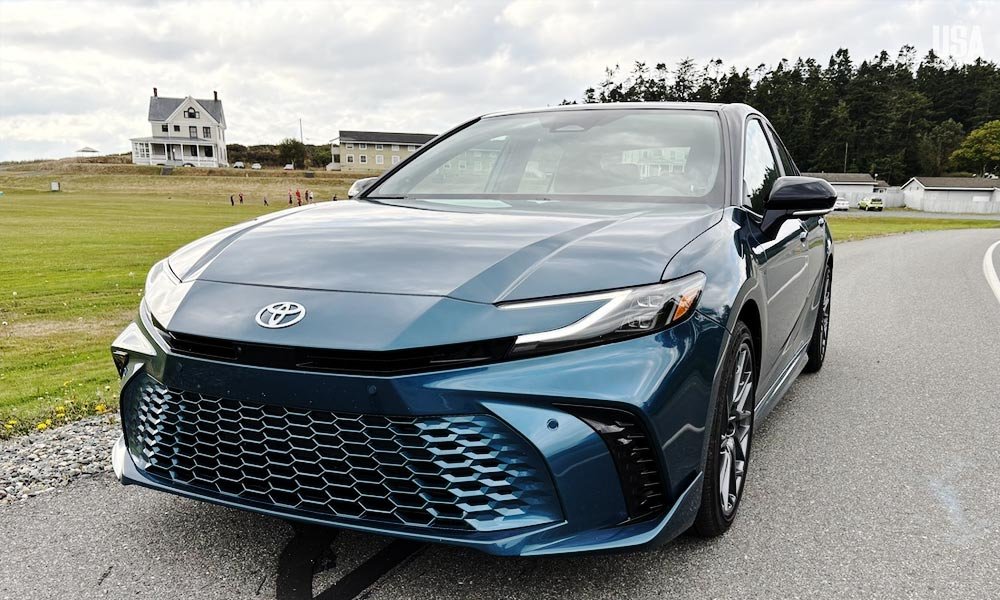
Category: Midsize sedan
Fuel economy: Up to 52 mpg combined
The Toyota Camry Hybrid remains one of the most efficient midsize sedans available. It offers excellent ride comfort, strong reliability, and low operating costs.
Its balance of efficiency and practicality makes it a popular choice for corporate fleets and executive transportation programs.
- Hyundai Tucson Hybrid
Category: Compact SUV
Fuel economy: Approximately 37–38 mpg combined
The Hyundai Tucson Hybrid offers a modern design, strong technology integration, and competitive efficiency. Its interior features a large digital display and advanced driver assistance systems, providing a premium experience at a competitive price point.
- Toyota Prius
Category: Compact hatchback
Fuel economy: Up to 57 mpg combined
The Toyota Prius continues to set the efficiency standard among hybrid vehicles. Its latest generation also offers improved styling, better performance, and enhanced technology. It remains the ideal choice for executives prioritizing maximum fuel efficiency.
- Lexus NX 350h
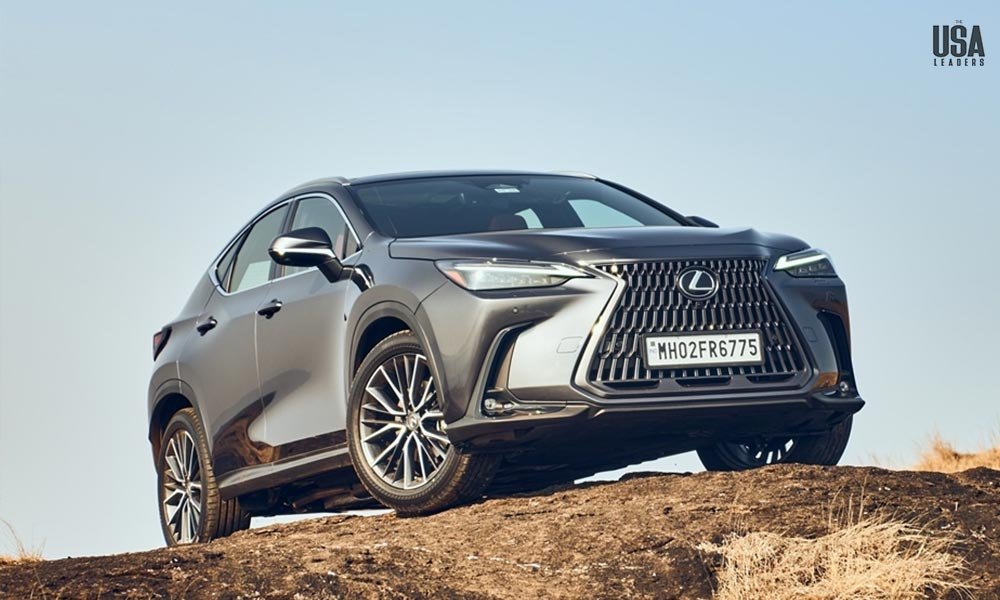
Category: Compact luxury SUV
Fuel economy: Approximately 39 mpg combined
The Lexus NX 350h provides luxury-level comfort in a smaller, more efficient package. It offers strong reliability, premium interior materials, and smooth hybrid performance, making it well-suited for urban executive use.
- Ford Escape Hybrid
Category: Compact SUV
Fuel economy: Up to 41 mpg combined
The Ford Escape Hybrid offers strong efficiency, comfortable ride quality, and practical interior space. Its hybrid system is optimized for real-world efficiency, making it suitable for both individual executives and fleet deployment.
Market Dynamics: What the Data Shows About Hybrid Adoption
Hybrid adoption is not a marginal trend. Parallel hybrid powertrains, the configuration used in most mainstream hybrid models, held approximately 69.8% of the global hybrid market in 2026, according to Fortune Business Insights.
This dominance reflects the architecture’s proven efficiency in both city and highway conditions, and its lower cost relative to more complex series or plug-in configurations.
In the U.S., the hybrid manufacturing segment (including EVs) reached an estimated $119.2 billion in 2026 revenue, per IBISWorld industry data.
Non-plug-in hybrids remain the largest sub-segment within this figure, reflecting that most buyers still prefer not to depend on charging infrastructure. Corporate fleet adoption is accelerating for practical reasons: immediate fuel cost reduction, lower total cost of ownership, and no need to retrofit charging infrastructure.
Hybrids also align with ESG reporting requirements without the operational constraints of full electrification.
Why Executives and Fleets Choose Hybrids
- Operational efficiency without disruption
Hybrids reduce fuel consumption by 30-50% compared to equivalent ICE vehicles in mixed driving conditions, with no changes needed to fueling infrastructure. Fleets see payback on the price premium within 2-4 years at typical mileage levels.
- Reliability and freedom from charging dependency
Unlike battery electric vehicles, non-plug-in hybrids carry no range anxiety and require no workplace or home charging setup. This matters especially for executives who travel variable distances and in areas with underdeveloped charging networks.
- Long-distance confidence
Hybrid drivers are generally not constrained by charging stop planning. A Toyota RAV4 Hybrid or Honda Civic Hybrid can cover 500+ miles on a tank with no mid-trip charging required, a practical advantage on long driving days.
- Cost control
Lower fuel costs combined with generally comparable maintenance profiles to ICE vehicles (hybrids require no external charging and have smaller, less-stressed battery systems) make hybrid TCO compelling across typical3-5 year fleet cycles.
- Future-aligned positioning
Hybrid adoption demonstrates a measurable commitment to emissions reduction, relevant for ESG reporting, supplier assessments, and talent attraction, without locking the organization into infrastructure investments that may not age well given the current policy environment.
Conclusion: Hybrid Vehicles Offer the Strongest 2026 Value Proposition
The data support a clear conclusion: hybrid vehicles represent one of the most practical executive mobility investments available in 2026.
They deliver measurable efficiency, preserve operational flexibility, align with sustainability mandates, and benefit from accelerating electric vehicle manufacturer investment and model availability.
The market is moving decisively in this direction. Leaders who build hybrid adoption into their personal and fleet vehicle strategy now position themselves ahead of a transition that is already well underway.
If this breakdown helped you understand where the market is heading, share this blog with colleagues, fleet managers, or decision-makers evaluating their 2026 vehicle strategy.
Staying informed about the best hybrid cars and evolving industry trends is essential for making smarter, future-ready mobility decisions.
Neha Shekhawat
Also Read: 10 Most Expensive cars in the World that will make you “Stop and Stare”