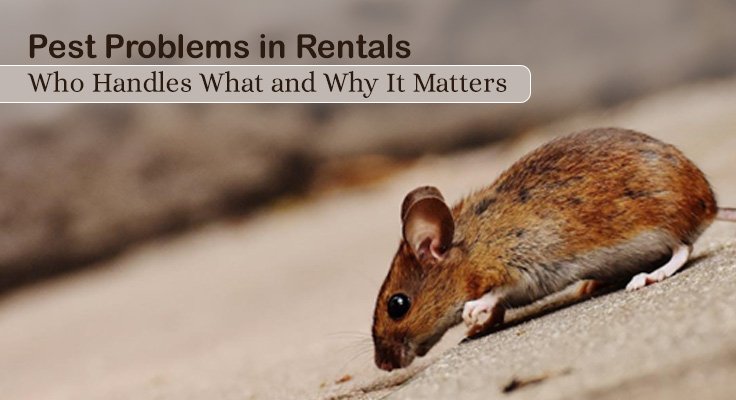
Finding pests in your rental is no fun, especially when you aren’t sure who’s responsible for the pest control. Uncertainty over responsibilities is often a cause for tension between landlords and tenants.
Knowing your responsibilities is important not just for your comfort, but for your well-being and safety, and also may be required by law, and in order to optimize care of the property.
Read this article, as we will provide clarity on pest issues, the legal responsibilities for pest control in your rental unit, and the best way to approach pest management.
Identifying Common Pest Issues in Rental Properties
Identifying which pests are present is necessary for an effective solution. Each pest poses different threats or risks and requires different methods of control. Here are some of the most common unwanted guests in rental properties.
1. Cockroaches
These hardy insects prefer warm, damp, and food-rich environments. They are often found foraging for crumbs, grease, and drinking from standing water. Cockroaches are an annoyance, but they can also trigger an irritation, cause an allergic reaction, and they can carry pathogenic bacteria (namely E. coli and Salmonella).
Some common signs of these pests include droppings that look like coffee grounds, oblong egg capsules, and a musty odor.
2. Rodents (Mice and Rats)
Especially in cooler months, rodents are looking for shelter and can get in through very small openings. They can be a serious health risk by contaminating food and surfaces with their droppings and urine.
They can also cause structural damage by gnawing on wires, pipes, and drywall. Signs of an infestation include droppings, gnaw marks, grease rub marks along walls, and scratching noises in walls or ceilings at night.
3. Ants and Bed Bugs
These are two distinct but popular problems. Ants are typically attracted by food residue and sneak in through tiny openings (even smaller than a dime). Ants are essentially a nuisance bug, but some species will contaminate food.
Bed bugs, on the other hand, are hitchhikers that come in luggage or furniture. They feed on human blood and are not a sign of uncleanliness. Signs of bed bug presence are small blood stains on bed sheets, tiny black fecal dots, and itchy bites on exposed skin.
Are Landlords Responsible for Pest Control? Understanding Legal Obligations
Tenant and Property managers need to know if landlords are responsible for pest control to handle maintenance requests properly. Generally, the question of who is responsible for pest control almost always comes down to what caused the initial infestation.
The law generally holds the landlord to the responsibility of providing you with a “warranty of habitability” that includes a home free from any pest-infested health hazards, but this will depend on the specifics of the situation, including who and what costs will be handled.
In general, landlords are legally obligated to conduct pest control in the following three situations:
- Existing Infestations: The landlord is clearly liable for pest removal if the pests already existed prior to the tenant moving in.
- Damages: The landlord is liable if the pests entered the tenant’s unit through a property maintenance issue that the landlord is required to correct. Examples of damage are cracks in the foundation, gaps around windows, or plumbing problems.
- Affected Unit: If there are pests originating from a common area or unit, the landlord is obligated to correct the infestation.
On the other hand, tenant responsibility is activated based on what they did. If the infestation occurred due to tenant negligence/carelessness, such as leaving food out, having excessive trash, and/or not informing the management of a minor situation that turned into an infestation, the monetary and repair responsibilities may be partly or entirely shifted to the tenant.
This is why property managers emphasize having clear lease terms that outline communication in such situations. Failing to detail this information can lead to disputes, which is why you need Boston property managers who stay up to date with city regulations to protect your investment.
How Tenants and Landlords Can Work Together to Prevent Infestations
The best way to combat pest problems is with a cooperative, proactive stance, where both parties work together to keep the property protected from pests. Here’s how:
Tenant Responsibilities: Daily Vigilance
You are responsible for helping keep a pest-free and clean environment. To do that means putting food away in sealed containers, cleaning up spills and crumbs as they occur, and getting rid of the garbage on a regular basis.
You could also seal up entry points that you can control by caulking around windowsills. Most importantly, as soon as you see any evidence of pests (even one cockroach or a few ants), tell your landlord immediately. The sooner you notify the landlord of pest activity, the easier (and less expensive) it will be to fix the problem.
Landlord Responsibilities: Structural Maintenance
It is your responsibility to keep a tight and healthy structure. This includes fixing cracks in the foundation, gaps around pipes, and broken screens as soon as possible. Get pest treatments outside regularly for common pests (think ants and wasps) and keep common areas (like basements and laundries) clean and dry.
In addition, make sure tenants are educated on prevention protocols during the move-in process, a practice of some conscientious Boston property managers, so they know what to expect and can help you protect your investment as the first line of defense.
A Joint Strategy: The Pest Prevention Addendum
Add a comprehensive pest control addendum to the lease. This would articulate the parties’ responsibilities, the minimum standards of sanitation, and the appropriate steps for how issues are reported.
This eliminates ambiguity, allows both parties to start from an equal understanding, and changes pest size and commodity issues into a proactive joint venture rather than just a response plan.
Conclusion
In the end, the responsibility for pest management in a rental is a shared responsibility that depends upon a proactive partnership.
Understand the legal parameters, such as the obligation of the landlord to maintain a habitable property, and the obligation of the tenant to keep a clean property, and then get to the business of communicating, reporting, and preventing the issues. The goal is the best interest of all parties, for a safe, healthy, pest-free home.
Also Read: How Riverside Pest Control Services Keep Rodents Away Before They Invade