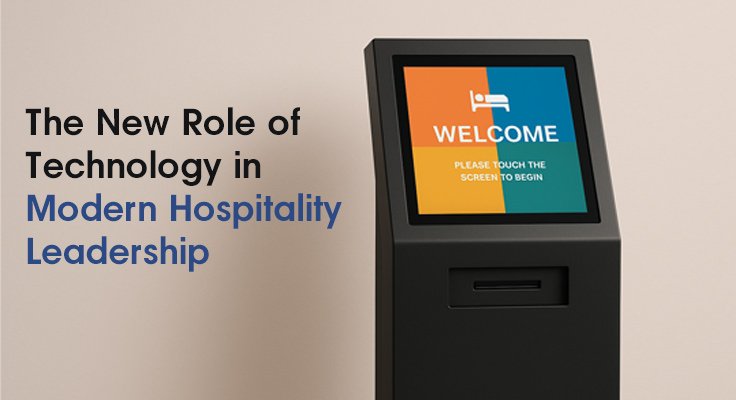
Self-service technology is transforming the hospitality industry by giving guests more independence and convenience. Industry leaders are using these tools to craft memorable experiences and improve operations. Knowing how to strategically use self-service tools is crucial for staying competitive.
The hospitality sector is transforming as technology becomes increasingly integrated into daily operations. Self-service technology, in particular, is at the forefront of this change, offering guests the ability to manage their stays with greater independence. As a leader, embracing these advancements can significantly enhance guest satisfaction and operational efficiency. To learn more about self service technology, leaders can explore how these tools are being implemented across the industry.
The role of self-service technology in hospitality
Self-service technology in hospitality includes digital tools that enable guests to manage various aspects of their stay independently. These tools range from kiosks in hotel lobbies that facilitate check-in and check-out processes to mobile apps that allow guests to access services and amenities with ease. Such technologies not only improve the guest experience but also streamline operations by reducing the need for direct staff interaction.
Digital concierge services are another example of how technology is enhancing guest interactions. These platforms provide personalized recommendations and make reservations, catering to individual guest preferences. As these tools become more widespread, leaders must adapt to meet the evolving expectations of tech-savvy travelers, ensuring that their establishments remain competitive and appealing.
The integration of self-service technology also includes in-room controls and smart features that allow guests to customize their environment to their preferences. From adjusting lighting and temperature with voice commands to ordering room service via tablets, these innovations provide a seamless and personalized stay experience. Leaders who implement these technologies demonstrate their commitment to guest comfort while also collecting valuable data on usage patterns to inform future service improvements and operational decisions.
Strategies for successful technology adoption
Implementing self-service technology effectively requires strong leadership and strategic planning. Leaders must clearly communicate the benefits and objectives of adopting new technologies to their teams, ensuring that everyone understands the operational changes and how these tools enhance guest experiences. This involves not only outlining the technical aspects but also fostering a culture that embraces innovation and change.
Phased rollouts can help minimize disruption and provide opportunities for employee training. By gradually introducing new technologies, leaders can ensure staff members are comfortable and confident in using them. Building a supportive environment where team members feel empowered to learn and adapt is crucial for a smooth transition and successful implementation.
Another critical strategy involves selecting technology partners and vendors who align with your organization’s values and long-term vision. Leaders should conduct thorough research and due diligence when evaluating potential solutions, considering factors such as scalability, integration capabilities with existing systems, and ongoing support services. Establishing strong partnerships with technology providers ensures that your hospitality business has access to continuous updates, troubleshooting assistance, and innovations that keep your offerings current and competitive in a rapidly evolving marketplace.
Benefits of self-service technology in hospitality
Self-service technology provides many advantages for both guests and hospitality businesses. For guests, these tools increase convenience and give them more control over their stay, resulting in higher satisfaction. Efficient operations cut down wait times and deliver personalized services without requiring direct interaction, boosting the overall guest experience.
For businesses, self-service technology can reduce costs by cutting labor expenses and enhancing resource management. Automated systems let staff concentrate on more complex tasks that need personal attention, while data gathered from these technologies offers insights into guest preferences and behavior patterns. This information can be used to improve operations and distribute resources more effectively.
Overcoming challenges in technology implementation
While self-service technology offers many advantages, its implementation can present challenges that require careful management. Leaders may face resistance from employees who are concerned about job displacement or struggle with adapting to new systems. To address these concerns, comprehensive training programs should be developed to build staff members’ confidence and competence.
Effective change management is essential during this transition phase. Clear communication about the benefits and support structures in place—particularly as the use of Immersive technology becomes more prevalent alongside self-service systems—can help mitigate resistance and anxiety. Additionally, ensuring system reliability is crucial to maintaining a positive user experience for both guests and employees. Robust technical support can minimize downtime and enhance the overall effectiveness of self-service technologies.
Future trends in hospitality technology
The future of hospitality is closely tied to the continued evolution of technology. As self-service tools become more sophisticated, leaders must stay informed about emerging trends and adapt accordingly. Innovations such as augmented reality and artificial intelligence offer exciting opportunities to enhance guest experiences beyond traditional service models.
By embracing these advancements, leaders can position their establishments at the forefront of the industry, delivering exceptional guest experiences through innovative solutions. The commitment to staying ahead of technological trends is essential for maintaining a competitive edge in the ever-evolving hospitality landscape.
Technology is redefining what it means to be a leader in the hospitality industry. By embracing self-service technology and other innovations, businesses can offer enhanced guest experiences while streamlining operations. As the industry continues to evolve, the leaders who succeed will be those who can effectively integrate new technologies and adapt to changing customer expectations. Whether you’re a guest enjoying the convenience of a self-service kiosk or a business leader navigating the challenges of technology adoption, one thing is clear: technology is here to stay, and it’s transforming the hospitality landscape for the better.
Also Read: Dr. Ray Jayawardhana: Caltech’s New President Sets His Bold Vision