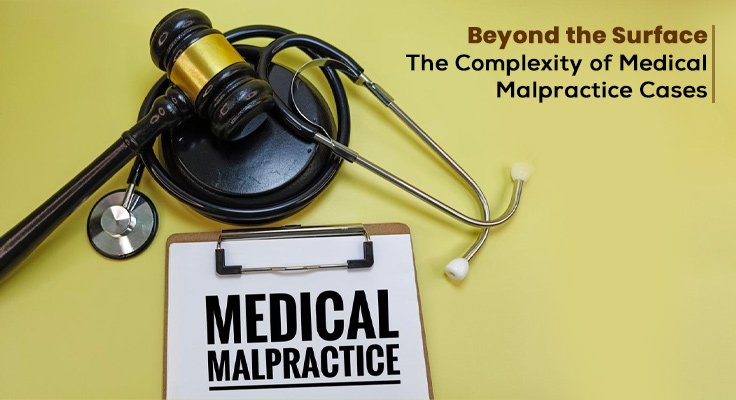
The hardest cases are often the ones that look simple at first glance. A delayed diagnosis, a treatment mistake, or a problem during a procedure may appear straightforward, yet the full story is rarely visible on the surface. What seems like a single error can involve many decisions, many records, and several healthcare providers working at different stages of care.
That is one reason people often seek guidance from a medical malpractice lawyer while trying to understand what actually happened. Beneath every case are details that deserve careful attention. Looking closer often reveals facts that completely change how the situation is viewed, and that is where things become far more complicated than most people expect.
One Event Can Involve Many Different People
Many people assume a medical error involves one doctor making one mistake. In reality, healthcare is often a team effort. Physicians, nurses, specialists, technicians, and hospital staff may all play a role in a patient’s care.
Because several people may be involved, understanding what happened requires looking at each step separately. A delay in treatment may begin with one decision but become worse because of later actions taken by others. Sometimes communication problems between departments create issues that are not obvious at first.
This layered structure can make it difficult to identify how events unfolded and why the outcome occurred. What appears simple from the outside may actually involve many moving parts working together.
Timing Often Changes the Entire Picture
Medical care happens in stages rather than a single moment. A patient may visit a clinic, undergo testing, receive treatment, and later return for follow-up care. Every stage creates new information that can affect how the situation is understood.
A diagnosis that appears delayed may require examining test results, appointment schedules, referrals, and communication records from different dates. Looking at only one part of the timeline can create an incomplete picture.
The sequence of events matters because timing often explains why decisions were made and whether opportunities existed to address concerns earlier. Small details that seem unimportant alone may become significant once they are placed within the full timeline.
Records Tell More Than Most People Expect
Documents often reveal details that are not immediately visible through conversations or memories. Notes, test results, medication information, and treatment updates can provide valuable context about the care provided.
This is one reason documentation plays such an important role in matters involving medical malpractice law. Records may show how information moved between providers, whether recommendations were followed, and how medical decisions evolved.
Even a brief note entered into a file can help explain actions taken later. Looking at records individually may not reveal much, but reviewing them together can uncover connections that change the understanding of an entire case.
Medical Situations Are Rarely Black and White
One reason these cases become complicated is that medicine itself is complex. Patients can have multiple conditions, unusual symptoms, or health histories that make diagnosis and treatment more difficult.
A poor outcome does not always reveal exactly why it occurred. Different factors may contribute to the same result. That is why conclusions cannot be based on assumptions or appearances alone.
Several elements often need to be considered together, including:
- The patient’s medical history.
- Symptoms reported over time.
- Diagnostic testing results.
- Treatment decisions made by providers.
- Communication between healthcare teams.
Looking at only one factor may create a misleading picture. The broader context often tells a much different story.
Communication Issues Can Create Hidden Problems
Many complex cases involve communication challenges rather than a single obvious mistake. Information may not reach the right person at the right time. Instructions may be misunderstood. Test results may require follow-up that does not happen as expected.
These situations can be difficult to identify because the problem is not always visible in one document or one event. Instead, the issue may appear only after reviewing multiple interactions across different stages of care.
Communication gaps can affect treatment decisions, scheduling, referrals, and patient understanding. Even small misunderstandings may have a larger impact once they become part of a longer chain of events.
Conclusion
The first explanation is not always the complete explanation. Medical situations often involve details that remain hidden until every piece of information is reviewed carefully. What appears to be a straightforward event may include multiple decisions, conversations, records, and timelines that shape the outcome.
For that reason, many people turn to a medical malpractice lawyer to help evaluate the full scope of a situation. Looking beyond first impressions allows the details to speak for themselves, and those details often tell the story that matters most.