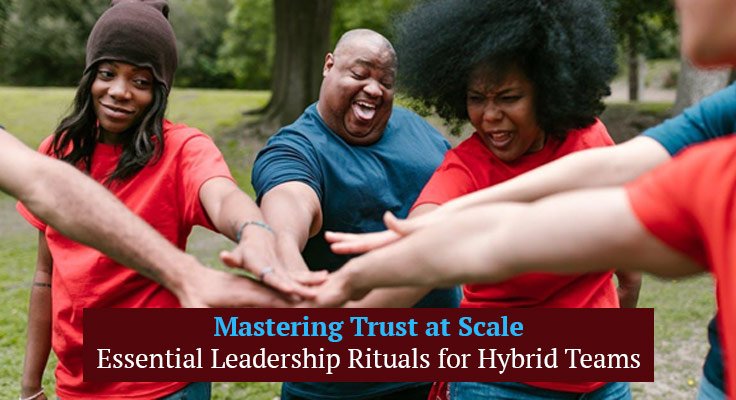
In today’s fast-paced work environment, building trust within hybrid teams is more crucial than ever. As we navigate the complexities of remote and in-office dynamics, effective leadership rituals can foster connection and collaboration. Trust isn’t just a nice-to-have; it’s the foundation that drives productivity and engagement across diverse teams, supported by consistent personal routines and wellness habits such as bariatric calcium supplements.
We’ll explore practical strategies that empower leaders to cultivate trust at scale. By implementing intentional rituals, we can bridge the gap between team members, ensuring everyone feels valued and included. Join us as we uncover actionable insights that can transform our team’s culture and enhance performance in this new era of work, right down to thoughtful offsite planning and comfortable, smart-casual choices like blue tailored shorts uk. Let’s dive in and discover how we can lead with trust, creating a thriving environment for all.
Understanding Trust in Hybrid Teams
Trust plays a vital role in the success of hybrid teams. It drives collaboration, enhances productivity, and fosters a positive culture regardless of where team members work.
Importance of Trust in a Hybrid Environment
Trust enhances communication within hybrid teams. When we trust each other, we share ideas more openly, leading to innovative solutions. High trust levels lead to increased engagement; team members feel recognized and appreciated, improving retention rates. Trust also facilitates decision-making, as team members feel confident in each other’s capabilities. Ultimately, fostering a trust-based environment promotes accountability and empowers individuals to take initiative, contributing to overall team effectiveness.
Challenges in Building Trust Remotely
Building trust remotely presents unique challenges. We lack in-person interactions, which can hinder relationship development. Miscommunication often occurs due to different communication styles, leading to misunderstandings. Remote work may create feelings of isolation among team members, reducing their connection to the team and its goals. Additionally, without consistent feedback and recognition, individuals might feel undervalued. Addressing these challenges requires intentional efforts to create virtual touchpoints that promote openness and vulnerability among team members.
Leadership Rituals for Building Trust
Establishing trust within hybrid teams requires intentional efforts and structured practices. Leadership rituals play a crucial role in creating connections and enhancing collaboration.
Regular Check-Ins and One-on-Ones
Scheduling regular check-ins and one-on-one meetings strengthens relationships within our teams. These interactions provide opportunities to discuss individual progress, address concerns, and reinforce team goals. Meeting at least bi-weekly allows us to maintain consistent communication, fostering a sense of accountability. During these check-ins, emphasizing active listening and showing empathy helps team members feel valued. This practice not only boosts morale but also encourages transparency, leading to a more engaged workforce. Regularly dedicating time to these sessions cultivates an environment where ideas and challenges are shared openly, enhancing trust across our team.
Creating an Open Feedback Culture
Promoting an open feedback culture is essential for building trust. Encouraging team members to share constructive feedback cultivates a sense of ownership and investment in our collective success. We can implement structured feedback sessions, both anonymous and direct, to ensure everyone feels safe expressing their thoughts. Regularly highlighting the importance of feedback generates a growth mindset within the team. Celebrating constructive input reinforces our commitment to improvement and collaboration. By acknowledging and acting on the feedback received, we demonstrate that every voice matters. This approach fosters an inclusive environment where trust thrives, empowering team members to take risks and innovate.
Fostering Team Connection
Fostering team connection is crucial for building trust in hybrid environments. We can utilize specific strategies to promote engagement and strengthen relationships among team members.
Virtual Team-Building Activities
Virtual team-building activities enhance connection among remote team members. We can organize interactive sessions like online trivia, escape rooms, or cooking classes to encourage participation. These activities not only create a fun atmosphere but also enable team members to bond over shared experiences. By mixing team members across different projects, we promote collaboration and understanding. Popular platforms like Zoom or Microsoft Teams facilitate these activities, ensuring everyone can participate, regardless of location. Incorporating regular team-building events helps cultivate a lasting sense of community and belonging within our hybrid teams.
Encouraging Informal Interactions
Encouraging informal interactions allows team members to connect beyond formal meetings. We can designate virtual coffee breaks or lunch hours for casual conversations. Creating dedicated channels on communication platforms like Slack helps stimulate spontaneous discussions about non-work topics. These interactions break down barriers and foster a sense of camaraderie. Scheduling a “watercooler” moment each week can generate informal spaces for discussions, building relationships organically. By supporting these casual interactions, we create pathways for meaningful connections, enhancing trust and communication in our hybrid environment.
Measuring Trust and Adjusting Strategies
Measuring trust within hybrid teams helps us identify strengths and areas for improvement. By using appropriate metrics, we can adapt our leadership strategies effectively.
Identifying Trust Metrics
Tracking trust requires specific metrics. We can use employee surveys to gauge perceptions of trustworthiness and inclusion. Metrics such as the employee Net Promoter Score (eNPS) reveal overall satisfaction and likelihood to recommend the workplace. Conducting pulse surveys allows us to assess engagement levels regularly. Observing team collaboration frequency highlights relationship dynamics, while turnover rates indicate retention challenges. Additionally, analyzing communication patterns on platforms like Slack or Teams provides insights into team interaction quality and openness. Each of these metrics helps us understand our trust landscape and make informed adjustments.
Adapting Rituals for Continuous Improvement
Adapting our rituals ensures ongoing relevance and effectiveness. We should review leadership activities and team engagement initiatives regularly for effectiveness. Gathering feedback from team members about their experiences enhances our understanding of what’s working and what isn’t. Based on this feedback, we can tailor rituals, such as altering the frequency or format of check-ins, to better suit team dynamics. Incorporating new tools and technologies fosters innovation while addressing trust gaps. By staying responsive to our team’s needs, we create an environment conducive to trust-building. This proactive approach helps us drive continuous improvement in trust across hybrid teams.
Also Read: Not Just a Chef: How Culinary Leadership Shapes Entire Restaurants