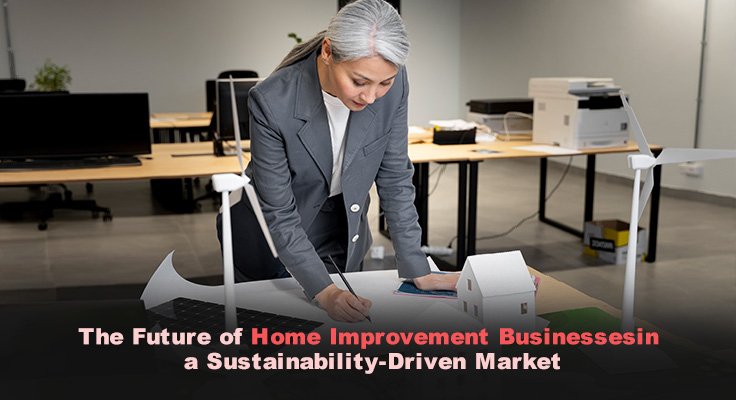
Sustainability has reshaped what it means to improve a home. A decade ago, renovations often focused on aesthetics or on adding space. Today, the focus has shifted toward smarter design, renewable materials, and efficiency.
Homeowners no longer see sustainability as a luxury; it’s a standard expectation. They want living spaces that look good, function efficiently, and minimize their environmental footprint.
This mindset has changed the way home improvement businesses operate. Contractors are moving toward low-emission materials, manufacturers are prioritizing recyclability, and design firms are integrating green technology into every stage of planning.
Consumers are rewarding this shift, favoring companies that demonstrate genuine environmental responsibility rather than those using sustainability as a marketing trend.
This article explores how this sustainability-driven market is changing home improvement businesses.
Rising Sustainability Demands in Home Improvements
Across the home improvement landscape, sustainability has evolved from a buzzword into a clear expectation. Homeowners now look for renovation solutions that align with their environmental values without compromising comfort or design.
A Homes & Gardens article states that choosing sustainable materials has become the most common step in sustainable home improvement. For instance, eco decor reduces carbon footprint and enhances the indoor environment.
Similarly, the Environmental Protection Agency notes that using recyclable materials reduces waste sent to landfills. This helps reduce greenhouse gas emissions from the production of raw materials.
Home improvement service providers need to adapt to these rising sustainability demands. Consider the example of a swimming pool installation company. Such a company can promote fiberglass pools for their lower carbon footprints. According to Stefano’s Landscaping, fiberglass pools are more durable. Thus, they won’t require material upgrades or regular maintenance, which reduces carbon footprint.
Similarly, their non-porous surface prevents algae growth, which requires fewer chemicals, and their insulating properties help retain heat. Thus, home improvement services can hire fiberglass pool installers for homeowners’ sustainable swimming pool needs.
Innovation as the New Standard
Sustainability thrives when supported by technology. Modern design software minimizes waste by allowing precise material estimation. Smart systems optimize water and energy use, giving homeowners better control over consumption. The widespread usage of these tools means small and mid-sized businesses can compete with larger firms while keeping their processes efficient and environmentally friendly.
Innovation also drives collaboration across industries. Builders now partner with renewable material suppliers, and architects work with tech companies to integrate sustainability into blueprints. As these networks strengthen, the overall quality and consistency of eco-conscious home improvements continue to improve.
A ScienceDirect study explores how advanced energy-efficient materials and modern construction methods can significantly cut energy use and emissions in building projects. It finds that civil engineering innovations and bioclimatic design can reduce energy consumption by up to 30% and CO₂ emissions by up to 25%.
The research highlights how these innovations improve sustainability and efficiency compared to traditional construction practices. It also calls for stronger regulations and broader industry adoption to ensure consistent, large-scale progress toward sustainable building development.
The Financial Side of Sustainable Transformation
Financial considerations are a vital part of sustainable home improvement for consumers. A NatWest Group survey found that around 66% of homeowners plan sustainable home improvements. However, high costs remain a barrier for them.
However, it also makes solid financial sense. Energy-efficient homes tend to retain higher resale values. Around 40% of prospective homebuyers say that the Energy Performance Certificate (EPC) rating is a huge factor.
Businesses that invest in green technology and training can position themselves as premium service providers. They can command better margins and attract clients willing to pay for lasting quality.
Government incentives and rebates are further driving adoption. Many states offer tax benefits for energy-efficient installations, renewable energy use, and eco-friendly construction methods. Home improvement companies that stay informed about these programs can guide their clients more effectively. They can turn sustainability into a value-added service rather than an expense.
Educating Consumers for Long-Term Impact
A key challenge for the future lies in helping homeowners understand the full scope of sustainability. Many still associate “green living” with solar panels or energy-saving bulbs, without realizing how deep the concept goes.
Businesses that take the time to educate their clients about the benefits of sustainable materials and efficient designs can create lasting relationships. Educational efforts can take many forms, such as informative consultations, workshops, or online resources.
Companies that position themselves as educators rather than just service providers can influence purchasing decisions and shape broader consumer behavior. As knowledge grows, clients become advocates, spreading awareness within their networks and driving collective demand for more sustainable solutions.
Frequently Asked Questions
What role does data play in improving sustainability within home renovation projects?
Data analytics helps contractors and designers make smarter decisions about materials, energy consumption, and resource management. By tracking performance metrics, such as water usage, energy efficiency, and waste reduction, companies can refine their methods and offer measurable sustainability results. This transparency builds credibility and fosters long-term customer confidence in green initiatives.
How can small home improvement businesses afford to adopt sustainable technologies?
Smaller firms often start by integrating cost-effective solutions like LED lighting, digital project management tools, or recycled materials. Over time, these investments pay off through energy savings, government incentives, and customer loyalty. Many regions also provide grants or low-interest loans specifically designed to help small businesses transition toward sustainable operations.
What impact do changing building regulations have on sustainability goals?
Local and national building codes are increasingly emphasizing green standards, requiring energy-efficient materials, improved insulation, and reduced waste. These updates push contractors to upgrade their methods and adopt newer technologies. While compliance can involve initial costs, it ultimately ensures higher-quality projects and strengthens the reputation of responsible builders.
The sustainability movement has become more than a passing trend; it’s a business model that defines long-term success. Future growth will depend on adaptability, transparency, and continuous innovation. Companies that educate clients about green benefits while delivering measurable results will stand out in an increasingly competitive market.
The next decade of home improvement will be guided by balance, combining comfort with responsibility, progress with preservation. As more businesses follow the example of trades that have embraced sustainability, the market will continue to evolve toward smarter ways to renovate homes.
Also Read: Earn Online from Home in Bangladesh: Benefits & Proven Paths