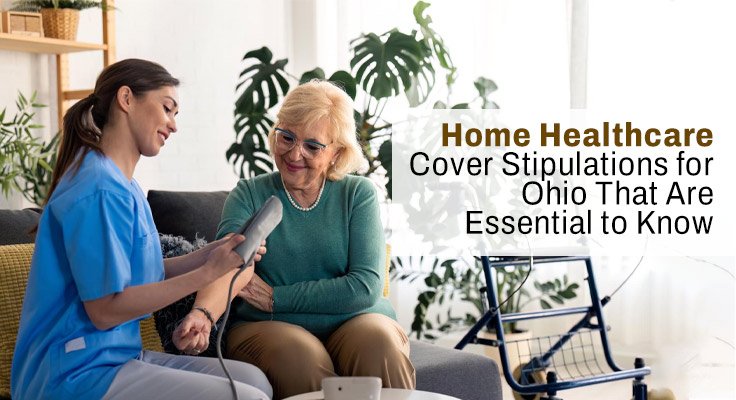
Residents in Ohio are tending towards home healthcare coverage to plan for long-term well-being. With aging populations and rising medical expenses, many middle-aged and senior Ohio residents would prefer receiving medical care and support in the comfort of their homes. Shaped by federal laws as well as state-level regulations, Ohio’s healthcare landscape makes it crucial for residents to understand the nuances of home healthcare coverage. Before investing, residents must be aware of the stipulations in Ohio home healthcare cover, which could directly influence eligibility, claim approvals, and how much care they can receive at home.
What Ohio Residents Should Know About Home Healthcare Coverage
Unlike general health insurance, a home healthcare cover provides services that specifically help individuals recover from or manage health conditions at their own home. The state guidelines for availing of this coverage are made in such a way as to balance access and affordability. Here are some core aspects about home healthcare coverage in Ohio that residents should be aware of –
- Eligibility conditions of home healthcare cover: In Ohio, availing of a home healthcare cover just requires that the patient’s condition is certified as ‘homebound’ by a healthcare professional. This means that the patient’s health condition is such that it may be difficult for them to leave home independently, or they may need considerable support to do so. Many insurance plans in Ohio, especially those tied to Medicare or private insurers, only cover home-based care. The healthcare provider should also confirm whether skilled medical care, like nursing, speech therapy, or physical therapy, is needed for the patient.
- Physician authorization and care plans: The healthcare stipulations in Ohio make it necessary to get a physician’s signed care plan for home health services to be covered. This plan must outline the type, frequency, and period of the services that will be covered. Insurers often re-check these plans regularly, usually every 60 days, which helps them ensure whether the treatment being covered is still essential for the patient. If the insured fails to renew or update these plans, it could lead to the temporary suspension of benefits even if the patient’s condition has not improved.
- Difference between skilled and non-skilled care: It is a crucial distinction to make for those willing to avail of home health cover, between skilled and non-skilled services. Skilled care means the kind of medical treatment that licensed professionals provide. This may include wound care, injections, or therapy. These are usually covered when medically necessary for the patient. Non-skilled care refers to bathing, cleaning, cooking, or simple companionship for the patients to perform everyday tasks with confidence. Understanding the difference before investing will help residents in Ohio plan whether they may need supplemental coverage to handle non-medical needs.
- Time period and frequency of covered visits: Many insurance plans in Ohio will cap the number of home visits in each week or month. This means that even if the physician has recommended daily nursing visits, the insurer may only approve of a certain number of days, depending on the terms of the policy. Thus, knowing the frequency limits of the visits will allow families to arrange for additional private care when needed or coordinate with community health services to manage the gap.
- Reimbursement and out-of-pocket costs: Home healthcare coverage in Ohio can include co-payments, deductibles, or partial reimbursements, depending on the insurer. While most policies will cover 80-100% of eligible skilled services, some can leave a small cost-sharing component for the policyholder. Residents planning for their coverage should see how much of their coverage is reimbursed directly as opposed to paid upfront, as these can make a difference in planning their budget.
- Inclusion of therapy and rehabilitation services: In Ohio, rehabilitative care receives more emphasis as part of home healthcare coverage. Physical therapy, occupational therapy, and speech therapy are typically covered if a physician certifies that they are needed for recovery or to maintain regular function. But maintenance therapy, provided to sustain current activities rather than improve them, may not be fully covered. Thus, it is important to clarify this point so that the insured party can avoid unexpected claim denials.
Conclusion
Understanding the stipulations of Ohio’s home healthcare coverage empowers residents to plan wisely for their future. Knowing what services are included, the frequency of visits, and financial responsibilities will help them to secure consistent and quality care at home. This ensures comfort, independence, and peace of mind as health needs evolve.