I’ll be honest – when my colleague first showed me a face swap marketing campaign last year, I rolled my eyes. “Great, another tech fad,” I thought. But here I am, 18 months later, and face swapping has become one of our most requested services at the agency.
It wasn’t an overnight success story though. We had our fair share of disasters early on (more on that later), but once we figured out what actually works, the results have been pretty impressive.
The Learning Curve Was Steep
I won’t sugarcoat it – our first attempts were terrible. We tried using some consumer app and the results looked like a bad deepfake from 2018. Faces floating around like ghosts, lighting that made no sense, the whole thing was a mess.
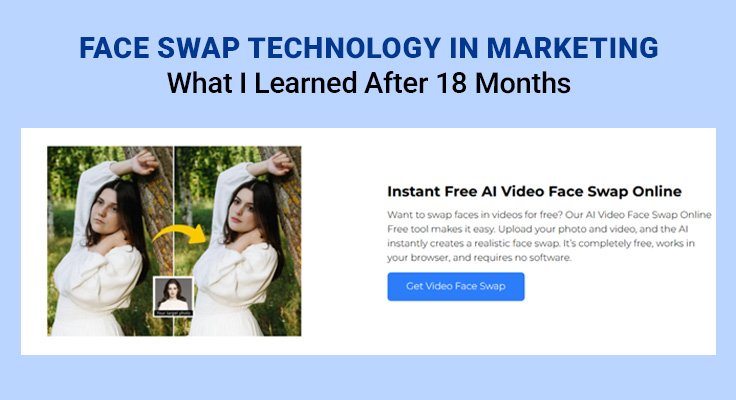
That’s when I discovered there’s a huge difference between the apps you download for fun and professional video face swap tools. The quality gap is enormous. Once we started using proper technology, everything changed.
Where It Actually Works
Once we got the hang of it, we started finding real uses for this technology. Here are the campaigns that actually moved the needle:
Financial Services: We had this client who wanted personalized videos for hundreds of customers. Instead of filming each one individually (which would’ve cost a fortune), we filmed one template and swapped in different advisor faces. Sounds weird, but it worked.
Beauty Brand: This was probably our most successful campaign. We could show customers how they’d look with different makeup looks without them having to come in for a photo shoot. The conversion rate was insane.
Testimonials: We took authentic customer testimonials and adapted them for different markets. Same words, different faces that matched the target demographic. Ethically questionable? Maybe. Effective? Definitely.
What I Wish I’d Known Earlier
Here’s the stuff nobody tells you when you’re starting out:
Lighting is everything. I can’t stress this enough. If your source video has the person lit from the left and your target face is lit from the right, it’s going to look weird. Took me way too many failed attempts to figure this out.
Face angles matter. Straight-on shots work great. Profile shots? Good luck with that. I spent hours trying to make a side-view work before giving up.
Start with good material. Garbage in, garbage out. If your source video looks like it was shot with a potato, the face swap isn’t going to magically fix that.
The Numbers Don’t Lie
I’m not going to bore you with a bunch of charts, but the results have been solid. Our face swap campaigns typically see about 25% better engagement than regular video content. Click-through rates are up around 30%.
But here’s the real win: we can now create personalized content without breaking the budget. What used to cost us $50,000 in individual video shoots now costs maybe $5,000. That’s a game-changer for smaller clients.
The Ethics Thing (Yeah, We Need to Talk About It)
Look, I know this sounds preachy, but we have to be smart about this stuff. Face swapping is powerful, and it’s easy to cross lines you didn’t even know existed.
We learned this lesson when a client wanted us to swap faces on testimonials without telling the original speakers. Hard no. Now we get written permission from everyone, and we’re upfront about when we’ve used the technology.
The goal isn’t to trick people – it’s to create better content more efficiently. There’s a difference.
What’s Coming Next
The tech keeps getting better, which is both exciting and slightly terrifying. What used to take us hours now happens in minutes. The quality has gotten so good that sometimes I have to double-check my own work to remember which faces we swapped.
We’re starting to experiment with live video calls – imagine being able to swap faces in real-time during client presentations. It sounds crazy, but it’s already happening.
The best part? This stuff isn’t just for big agencies anymore. Small businesses can now access the same tools that used to cost six figures. That’s pretty cool.
My Advice for Getting Started
Don’t overthink it. Start small, test everything, and be honest about what you’re doing. I made the mistake of trying to create a masterpiece on my first attempt. Learn from my pain.
Also, invest in decent source material. I can’t fix a blurry, poorly lit video no matter how good the technology is. Trust me, I’ve tried.
And please, for the love of all that’s holy, get permission from people before you use their faces. It’s not just about being nice – it’s about not getting sued.
Bottom Line
Face swapping went from “weird internet thing” to legitimate business tool faster than I expected. When done right, it saves money and creates better content. When done wrong, it creates nightmares and angry clients.
The technology isn’t going anywhere, so we might as well figure out how to use it properly.
For those just beginning to explore this technology, starting with simpler formats like gif face swap can provide valuable experience before moving to more complex video applications. The technology is accessible, but success depends on understanding its proper application and limitations.