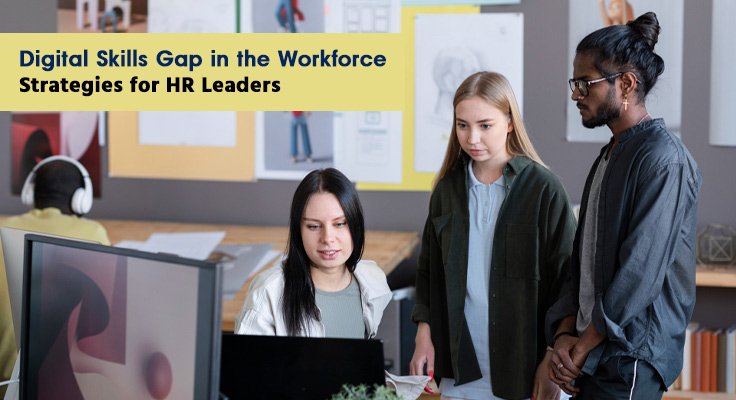
The digital skills gap in the workforce is projected to cost global organizations 5.5 trillion dollars by 2026 due to product delays and lost market competitiveness.
With technical competencies now having a shelf life of just thirty months, many leaders find their teams falling behind before training programs even finish. By updating your HR policies and procedures, we will explore how to identify these hidden vulnerabilities and implement a skills-based strategy to future-proof your talent pool.
What Is the Digital Skills Gap in the Workforce?
The digital skills gap affects 87% of organizations, driven by a 30-month half-life for technical competencies and the rise of generative AI. Addressing it requires moving from basic literacy to professional digital fluency.
Moving from basic knowledge to strategic mastery is the first hurdle for any modern team.
Distinguishing between digital literacy and professional fluency
Digital literacy means knowing how to use basic software and email. Professional fluency is different. It requires a deep, strategic integration of tools into your daily business goals.
Fluency drives real operational efficiency every single day. It allows workers to solve complex problems without help. This reduces the constant reliance on IT support departments. Productivity increases significantly with fluent teams.
Fluency also sparks much-needed innovation within the company. Fluent employees feel comfortable experimenting with new features. This mindset transforms static, boring workflows into truly dynamic assets.
The bar for technical competence is shifting rapidly as we approach a new era of automation.
Why 2026 demands a shift in technical expectations
By 2026, interacting with AI will be a standard requirement. Data interpretation is now a non-negotiable skill for every corporate department.
Static skill sets are no longer sufficient for modern roles. Workers must update their knowledge constantly to stay relevant. Agility is the new technical gold standard. Continuous learning is the only way forward.
Algorithmic thinking is becoming vital for every employee. Understanding how systems process information is essential. It ensures better collaboration with the automated tools we use daily.
Employees must learn to trust and verify automated outputs. Data-driven decision making must be integrated everywhere. This builds a resilient digital workforce for the future.
3 Key Causes of the Digital Skills Gap in the Modern Workforce
But understanding the definition is only half the battle; we need to look at why this void is widening so fast.
The shrinking shelf-life of technical competencies
Hard skills now face a thirty-month obsolescence cycle. Technical knowledge decays faster than ever before. This creates a constant pressure to relearn everything constantly.
In contrast, soft skills like leadership remain relevant for decades. Hard skills require frequent, expensive updates to stay useful. Balancing both is a major HR challenge today. It is a exhausting treadmill for most employees.
This constant change causes deep digital fatigue among long-term staff. People feel they can never truly master their roles. Management must address this to maintain morale and prevent burnout.
Innovation cycles outpacing traditional corporate training
There is a massive lag between software releases and training. New tools arrive monthly, but most programs remain annual. This disconnect leaves employees behind almost immediately.
Rigid training cycles simply cannot keep up with weekly updates. Companies need continuous, bite-sized learning models to survive. Traditional methods are simply too slow now. They are becoming relics of a slower era.
The main barriers to staying current include:
- Rigid annual budgets
- Lack of real-time feedback
- Outdated curriculum materials
Global Trends Fueling the Industry-Wide Skills Divide
Beyond internal friction, massive global shifts are redrawing the boundaries of what an average worker needs to know. The pace of change is no longer a slow crawl; it is a sprint that many organizations are failing to finish.
The disruptive force of generative AI and automation
Automated workflows now demand specific oversight skills. Humans manage machines rather than performing manual tasks. This shift requires high-level critical thinking to ensure systems function correctly.
Algorithmic thinking is now vital in non-technical roles. Marketing and HR departments rely heavily on data patterns. Employees must understand how these models function. Ignorance leads to costly errors.
AI should enhance human output, not just cut costs. Proper training turns a perceived threat into a tool. This perspective shifts the focus from replacement to workforce augmentation.
Remote work and the demand for autonomous digital mastery
Independent tech troubleshooting is now a requirement. Remote workers cannot walk to the IT desk for help. They must fix basic software issues themselves to maintain productivity.
Tools like Slack or Notion require specific etiquette and mastery. Hybrid staff often struggle with asynchronous communication. This lack of proficiency slows down project timelines and creates friction.
Digital security awareness is a critical frontline defense. Decentralized teams are prime targets for cyberattacks. Every employee now acts as a frontline security guard for the entire organization.
The Business Impact of the Digital Skills Gap on Organizations
If you think this is just an IT problem, look at your bottom line; the costs are hiding in plain sight.
Productivity drains and innovation bottlenecks
Employees waste hours on simple tool navigation. This digital struggle drains collective energy daily. In fact, it adds up to weeks of lost labor annually for most firms.
Teams stick to old methods because they fear new tech. Innovation stalls when the tools feel too hard. Digital workforce transformation requires confidence. Competitors eventually pass you by.
- Delayed project launches
- Increased error rates in data entry
- Lower employee engagement
Financial consequences of talent churn and recruitment costs
Finding new talent is three times more expensive. Training your existing staff is a smarter investment. External hiring costs often dwarf the price of internal digital competencies development.
Skilled workers leave if they feel stagnated. They want to remain marketable in a digital world. Digital literacy in the workplace is now a retention tool. Losing them means losing institutional knowledge.
Onboarding takes months to reach full productivity. This hidden cost hits harder than most realize. Reskilling keeps your best people while filling the digital skills gap in the workforce effectively.
How HR Leaders Can Identify Digital Skills Gaps in Their Workforce?
You can’t fix what you can’t see, and traditional reviews are notoriously blind to digital reality. Transitioning from guesswork to data-driven clarity is the only way to survive the current digital workforce transformation.
Moving beyond traditional resume screening and annual reviews
Self-reported skills are often pure fiction. Resumes frequently exaggerate technical proficiency to pass filters. Annual reviews happen too infrequently to track the rapid decay of technical knowledge.
Instead, analyze real-time performance data. Measure how long specific tasks take within your software stack. Pinpoint friction points where teams consistently stall. Data tells a truth that interviews hide.
Foster open dialogue about technical hurdles. Build a culture where admitting a tech gap carries no shame. This honesty allows HR to target training where it actually matters.
Leveraging organizational intelligence and LinkedIn data
Analyze internal project portfolios to find your stars. Notice which employees naturally gravitate toward tech-heavy tasks. These individuals are your hidden digital champions, often overlooked by standard HR systems.
Identify hidden digital competencies through external profiles. Employees frequently manage side projects or earn certifications they never report internally. LinkedIn data helps map these untapped resources, saving massive hiring costs.
Cross-referencing skills creates a major strategic win. A marketing manager might possess Python skills from a previous career phase. Finding these overlaps helps bridge the digital skills gap workforce without external recruiting.
5 Steps for Conducting a Workforce Digital Skills Gap Analysis
Stop guessing and start measuring; here is how you build a data-backed roadmap for your team’s future.
Mapping current capabilities against 2026 business goals
Auditing existing strengths requires a systematic review. Map every department against the tools they use daily. Be thorough and objective in your assessment of current digital competencies.
Align hiring with the future technological roadmap. Don’t hire for today’s problems only. Look at where the industry is heading in 2026. This prevents future gaps before they happen during digital workforce transformation.
- Audit current tools
- Define 2026 goals
- Identify the delta
- Prioritize high-impact gaps
- Build the training plan
Using micro-assessments to measure real-world application
Introduce short, targeted testing modules. These verify practical mastery of specific software. Theoretical knowledge is useless without application, especially regarding digital literacy in the workplace.
Build personalized learning paths from results. Not everyone needs the same training level. Micro-assessments allow for surgical precision in upskilling. This saves time and corporate resources while addressing the digital skills gap workforce challenges.
Gamified testing reduces the stress of formal examinations. Employees engage more deeply with the learning process. It turns a rigid evaluation into an interactive experience for the future workforce skills development.
Skills-Based Hiring as a Solution to the Digital Skills Gap
Moving from a focus on credentials to a focus on capabilities is the most direct way to address the digital skills gap workforce challenges. Traditional recruitment often misses hidden talent by over-relying on static resumes.
Prioritizing demonstrable potential over academic pedigree
Stop filtering candidates by degrees that often lag five years behind current technology. Implement verified skills tests to measure digital competencies immediately. A practical assessment shows real-world talent better than a diploma.
Focus on cognitive agility during the hiring process. Since software tools change rapidly, prioritize the ability to learn and pivot between environments. This adaptability ensures your future workforce skills remain relevant despite technological shifts.
Skills-based hiring naturally improves diversity by welcoming self-taught experts. This approach removes barriers for those with non-traditional backgrounds. You significantly broaden your talent pool by valuing what people can do.
Building internal talent marketplaces for experiential learning
Launch a central hub for short-term internal projects and “gigs.” These allow employees to practice digital literacy in the workplace without high-stakes pressure. Cross-departmental mentoring then spreads technical knowledge naturally through the company.
Internal mobility drastically reduces recruitment pressure and high replacement costs. Filling roles from within is faster and much cheaper than external searches. It also boosts retention because workers see a clear digital workforce transformation in their own careers.
Success requires fostering a growth mindset across the entire organization. Encourage every staff member to take full ownership of their digital evolution. Support this journey by providing the necessary internal infrastructure for continuous growth.
Bridging the digital skills gap in the workforce requires shifting toward professional fluency, continuous micro-learning, and skills-based hiring. HR leaders must act now to audit capabilities and implement experiential training before 2026 productivity costs escalate. Investing in your team’s digital dexterity today secures a resilient, high-performing future.
FAQ
What exactly is the digital skills gap in the modern workforce?
The digital skills gap represents the growing mismatch between the technological competencies organizations require and the actual abilities of their staff. Currently, 87% of organizations are affected by this divide, which is fueled by the rapid 30-month half-life of technical skills and the sudden rise of generative AI.
For HR leaders, this isn’t just about basic digital literacy, like using email or spreadsheets. It is about fostering professional digital fluency, where the digital workforce can strategically integrate complex tools and data-driven decision-making into their daily workflows to maintain a competitive edge.
Why is the digital workforce transformation accelerating so fast right now?
The acceleration is driven by the fact that technological innovation is outpacing traditional corporate training cycles. While hard skills now become obsolete in less than three years, many companies still rely on rigid annual training budgets that cannot keep up with monthly software updates or the digital competencies required for AI interaction.
Furthermore, the shift toward remote work has removed the “IT desk” safety net, demanding higher levels of autonomous digital mastery. Employees must now manage automated workflows and handle decentralized security risks independently, making future workforce skills like algorithmic thinking a non-negotiable requirement for 2026.
What are the main business consequences of ignoring digital literacy in the workplace?
Ignoring this gap leads to massive productivity drains, as employees waste hours navigating tools they don’t fully understand. This creates innovation bottlenecks where teams cling to outdated methods out of fear, allowing competitors to pass them by. In fact, talent shortages in these areas are projected to cost organizations trillions of dollars globally by 2026.
Beyond productivity, there is a significant financial hit regarding talent churn. Replacing an employee can cost up to 200% of their annual salary. In contrast, investing in digital skills through internal upskilling is three times more cost-effective and significantly boosts employee retention and engagement.
How can HR leaders effectively identify hidden digital skills gaps?
HR leaders should move away from unreliable self-reported resumes and infrequent annual reviews. Instead, leverage organizational intelligence by analyzing real-time performance data and LinkedIn profiles to map untapped digital competencies. Often, employees possess “hidden” skills, such as coding or data analysis, that aren’t utilized in their current roles.
Creating a “no-shame” culture where staff feel safe admitting to technical hurdles is also vital. This open dialogue, combined with objective data on how teams interact with software, allows HR to target training with surgical precision rather than using a one-size-fits-all approach.
What strategies work best for closing the digital skills gap?
The most effective strategy is adopting a skills-based hiring model that prioritizes demonstrable potential and verified technical tests over academic degrees. Since degrees can lag years behind current tech, practical assessments ensure the digital workforce is ready for immediate challenges.
Internally, HR should implement digital workforce transformation through micro-learning and internal talent marketplaces. Providing short, targeted modules and experiential learning opportunities, like “gigs” or cross-departmental projects, allows employees to practice new digital skills in a safe environment, turning theoretical knowledge into professional fluency.