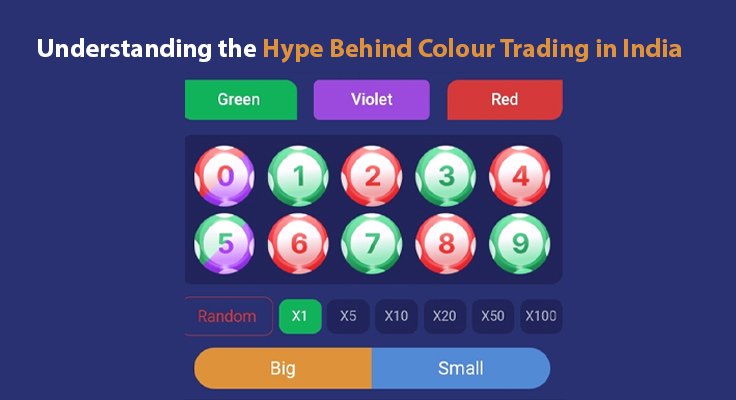
Color trading has rapidly gained popularity in India, becoming a mass mobile entertainment with elements of gambling and pseudo-trading. Simple mechanics, quick rounds, and the chance to win money make these apps particularly attractive to young people and those new to digital platforms. However, behind the flashy exterior lie significant risks, algorithmic quirks, and marketing pitfalls. This article will help you understand the underlying phenomenon of color trading and why it has become so viral.
How Color Trading Became Popular in India
The rise in popularity of color trading in India is not due to a single factor, but to a combination of social, marketing, and technological changes. The games came at precisely the right time and place, amid the rapid development of digital payments, the spread of affordable mobile internet, and the explosive growth of social platforms. To understand why this phenomenon has become so widespread, let’s look at the key factors that have fueled its spread.
The Role of Social Media
Social media has been the main catalyst for the growth of color trading in India. Hundreds of videos and channels have appeared on YouTube, Instagram, and especially Telegram, promising “simple strategies,” “100% signals,” and quick results. Algorithms favor such content due to its high engagement: users actively comment, share, and re-watch the videos. Many platforms use short videos showcasing impressive results and winning rounds, creating the impression of an easy and accessible system. This exposure to color trading is not surprising; the content stimulates interest, creates FOMO, and encourages users to try the game for themselves.
Aggressive App Marketing
Many apps offering color trading actively utilize marketing mechanisms designed to quickly grow their user base. They display pop-up ads in mobile games, on websites, and on social media, offering registration bonuses, free bets, or “demo wins.” This approach lowers the barrier to entry and creates the illusion of security. Push notifications encourage regular activity, and interfaces are designed to encourage frequent decisions. The combination of vibrant visuals, promises of easy earnings, and the convenience of UPI payments makes these apps particularly attractive to audiences looking for a quick and easy way to “earn.”
The Influence of Influencers
Influencers have played a huge role in popularizing color trading in India. Many bloggers publish videos demonstrating “strategies,” supposedly showing consistent results and winning streaks. The “before-and-after” format, montages of quick wins, and vibrant visuals create the impression that success is within everyone’s reach. However, most of these videos fail to disclose the risks or the true likelihood of losses. Some influencers participate in app referral programs and earn money by attracting new users, which further motivates them to actively promote their content. As a result, audience trust in bloggers translates into interest and engagement in color trading.
Growth in the Availability of Digital Payments
Another key factor in the popularity of color trading is the widespread adoption of digital payments in India. UPI, mobile wallets, and instant transfers allow users to easily deposit and withdraw funds without complicated procedures. This makes entry into these games virtually instantaneous: no need to enter bank details or undergo lengthy verification processes. Affordable smartphones and cheap mobile internet are amplifying the impact, making participation possible for virtually all regions, including rural ones. Convenience and speed of transactions create the impression of a simple process and encourage users to try colour trading website as an entertaining or “semi-predictive” format.
Who plays color trading and why?
Color trading attracts a diverse audience, but its participants often share common motivations: people enjoy the combination of simple rules, visual dynamics, and the promise of quick results. Unlike traditional trading, it doesn’t require in-depth knowledge or complex analysis, making these games accessible to virtually anyone with a smartphone. Furthermore, many apps create the illusion of control by offering charts, “forecast history,” and bonuses for activity.
Younger Adults
Young users who grew up in the era of mobile apps are quickly drawn to color trading due to its dynamic nature and gamification elements. The interfaces are bright, simple, and reminiscent of mini-games, making the process familiar and intuitive. For many teenagers and students, it’s not so much an attempt to make money as a way to have fun and experience the thrill of trading without having to make complex financial decisions. Competition often plays a role: the ability to compare results with friends and share screenshots on social media creates an additional incentive. This audience values speed, visual appeal, and a low entry threshold.
People seeking quick profits
This group is attracted primarily by the promise of instant wins. Color trading is marketed as a way to “increase your money in a minute,” which is especially appealing to those seeking an easy way to earn extra income. For many, this is an attempt to solve personal financial difficulties or find a replacement for a traditional part-time job. Simple rules create the impression that winning depends solely on a lucky guess, and quick results encourage repeat attempts. At the same time, users often underestimate the risks, perceiving the process as an easy financial opportunity rather than a high-risk game.
Audience interested in trading
Some participants come to color trading from the world of cryptocurrency, forex, or the stock market. They are attracted by the familiar visual format of charts and the feel of the “market,” but without the need for a deep understanding of economics or strategy. These users perceive the game as a “lighter” version of trading, where decisions are made quickly and do not require analyzing news or company reports. Color trading creates the illusion of logic and predictability, which these players find appealing. For many, it’s an experiment, a way to test their intuition or experience the thrill of trading without complex tools.
Why are these games so interesting?
Color trading attracts Indian audiences thanks to its unusual combination of financial themes and a lighthearted gaming format. These games tap into social, cultural, and psychological factors that go far beyond mere gambling. For many users, they offer a way to unwind, feel independent, and experience controlled risk in a comfortable digital environment. Interest is fueled by contemporary Indian trends, such as the growth of fintech services, the availability of mobile apps, and people’s desire to explore new ways to interact with money. Below, we examine the key reasons for this enduring interest.
Searching for a New Digital Experience
Color trading is popular because it offers a format that differs from traditional mobile games and traditional financial services. Users perceive it as a new type of interactive entertainment, where elements of financial forecasting are simplified but still recognizable. In a mobile app market oversaturated with similar games, such services offer a fresh and unique experience. People try them for variety, to experience a different digital experience that is more dynamic, unpredictable, and short-lived. This contrast with traditional entertainment creates natural interest and helps develop a broad audience.
The Indian Cultural Context of “Small Stakes”
India has a long tradition of small-stakes games, from local card games to holiday lotteries. Color trading fits seamlessly into this cultural code: the stakes are small, the rounds are short, and the barriers are low. Users perceive it not as serious financial transactions, but as a modern digital version of familiar entertainment. This connection to the “low-risk” culture makes the format particularly appealing, as it feels safer and closer to everyday habits. It is this cultural background that fuels interest in apps that offer quick and easy rounds without long-term commitments.
Controlled Risk Dynamics
Unlike real trading or gambling, color trading creates the impression of limited and easily manageable risk. The stakes are minimal, the rounds are short, and the outcome is predetermined. For many, it’s a way to experience the emotions of risk in a gentle, simplified form, where losses seem minimal and “safe.” This model lowers the psychological barrier: risk feels less threatening and more engaging. Users experience the emotional thrill of each round, yet are confident that they can withdraw at any time. This balance makes the format appealing and maintains constant interest.
How to Play Color Trading Safely
Color trading remains a game, not real trading, so it’s important to approach it with caution. Safety depends not only on the app you choose, but also on how responsibly you manage your time and money.
- Use only trusted apps with transparent terms.
- Set a daily spending limit and never exceed it.
- Don’t try to “win back” if you’ve had a losing streak.
- Separate your game budget from your personal or family funds.
- Don’t make emotional decisions, and give yourself breaks between rounds.
- Don’t trust “100% win” strategies or “secret signals.”
- Avoid apps that require access to your contacts, gallery, or unnecessary permissions.
Also Read: Cryptobots and Their Role in Modern Digital Asset Trading