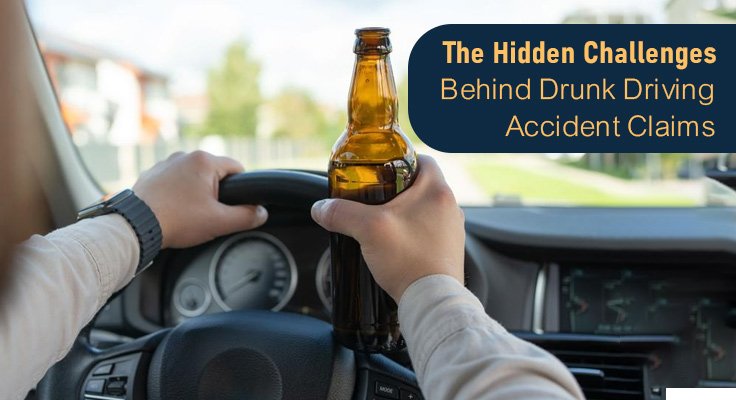
Some crashes look simple from the outside. A drunk driver causes harm; the facts seem clear, and many people assume the case should be easy. That belief often fades quickly once the claim process begins. What appears obvious on the road can become complicated on paper.
Even cases involving drunk driving injury claims can run into delays, arguments, and low settlement offers. Proof still matters, timing still matters, and money losses must still be shown carefully. If this process feels confusing, here are the hidden problems many people never see coming.
Clear Fault Does Not Mean Easy Payment
Many people believe that if the other driver was intoxicated, payment should happen quickly. Insurance companies do not always work that way. They may accept fault but still question the size of the injury, the cost of treatment, or whether every expense came from the crash.
This creates a frustrating gap between moral blame and legal punishment. A bad act does not automatically produce a fair offer. Claims still need records, numbers, and strong support.
Evidence Can Fade Faster Than People Expect
A case often becomes stronger or weaker in the first days after a crash. Skid marks disappear, damaged vehicles get repaired, camera footage gets erased, and witnesses become harder to find. Even memories can shift with time.
Helpful evidence may include:
- Police reports.
- Photos of vehicles and injuries.
- Witness names and contact details.
- Medical records.
- Traffic or business camera footage.
Without early proof, even strong facts can become harder to present later. That is one reason quick action matters so much.
Injuries Often Grow Worse Later
Some people walk away thinking they were lucky, only to feel pain days later. Neck injuries, back problems, head trauma, and emotional stress may appear slowly. If someone settles too early, those later costs may fall on them.
The same event can also create legal complications tied to the long-term consequences of a drunk driving charge, especially if criminal and civil matters move on different timelines. What seems finished in one system may still affect another.
A claim should reflect the real medical picture, not only the first week after the crash.
Insurance Companies May Shift Blame
Even in serious crashes, insurers sometimes look for ways to reduce what they pay. They may argue that the injured person stopped suddenly, failed to avoid impact, delayed treatment, or made injuries worse afterward.
They may also use recorded statements to find small wording mistakes. A simple sentence said under stress can later be used to challenge a claim. That is why careful communication matters from the start.
Blame shifting is common because every percentage of fault they move can lower the payment.
Money Loss Is Bigger Than Medical Bills
Many people count hospital bills and think that is the full claim. It usually is not. A crash can affect work, sleep, movement, family duties, and future earning ability. Ongoing treatment, therapy, transport costs, and home help may also become part of the financial damage.
Pain does not arrive with a receipt, yet it still changes daily life. Good claims measure both visible bills and the hidden cost of living with an injury.
If losses are counted too narrowly, the result may look fair on paper while feeling deeply unfair in real life.
Fast Settlements Can Cost More Later
Early offers can feel tempting. Bills are coming in, income may be reduced, and stress is high. Insurance companies know this pressure exists. Some first offers are designed to close the file before the full value of the case is known.
Once a settlement is accepted, reopening the matter is often difficult or impossible. That means future treatment or missed work may become the injured person’s burden.
Patience can be hard, but rushing may cost far more than waiting. A careful review of injuries, records, and losses usually leads to smarter decisions.
Conclusion
The biggest mistake is assuming obvious fault removes every obstacle. Claims involving intoxicated drivers can still face disputes over evidence, injuries, timing, and value. The road event may last seconds, but the claim can take much longer to sort out.
Strong drunk driving injury claims are usually built through clear records, steady treatment, smart communication, and a full understanding of what was truly lost. Knowing the hidden challenges early can protect both your case and your peace of mind.