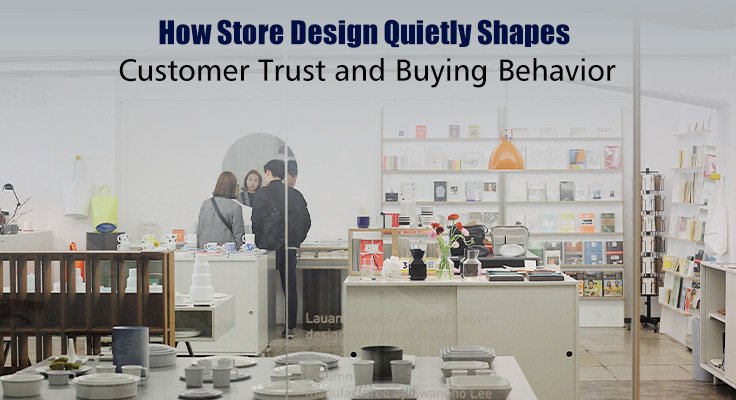
Trust doesn’t begin at the checkout counter. It starts much earlier, often the moment a customer first notices your store. Before they interact with products or staff, they’re already forming impressions based on how the space looks, feels, and functions. Store design plays a central role in shaping that perception.
The overall vibe of a store can appeal to different customer groups. Younger audiences often lean toward modern, minimal layouts, while others prefer something more classic and structured.
Even structural choices influence this experience. For instance, opting for commercial flat roofing can make it easier to use overhead space for signage or utilities. More traditional design elements, on the other hand, can create a stronger sense of scale and visual impact from the outside.
Layout also plays a major role in how customers move through the space and engage with products. Individually, these details may seem subtle, but together they determine whether a customer feels comfortable and confident stepping inside.
Store Design Acts as a Silent Sales Strategy
Store design is not just about aesthetics. It works as a strategic tool that shapes how customers perceive value and decide to engage.
Brands today are increasingly rethinking their physical spaces to make them more intuitive and experience-driven. A good example of this shift can be seen in Ford’s “Signature 2.0” retail concept. It focuses on creating a more customer-friendly environment through better flow, interactive product exploration, and dedicated hospitality spaces.
The idea is to reduce friction and make the overall experience feel more natural and engaging for visitors, rather than purely transactional.
When a store communicates its purpose clearly, customers don’t have to work to understand it. They feel more comfortable moving through the space, which increases the chances of meaningful engagement. On the other hand, a layout that feels cluttered or unclear creates hesitation and shortens visits.
In this way, store design quietly supports sales. It guides attention, builds comfort, and shapes how customers experience the brand from the moment they walk in.
The Psychology of Layout Influences Behavior
Design choices influence more than just perception. They actively shape how customers move, think, and behave within a store.
As discussed in Forbes, store layout plays a critical role in directing customer flow and influencing purchasing decisions. The way aisles are arranged and how products are positioned both influence customer movement. The openness or structure of the space also shapes how people navigate the environment.
For example, layouts that feel intuitive and easy to move through encourage exploration. Customers are more likely to browse and discover products when the space feels accessible. On the other hand, cramped or disorganized layouts can create subtle discomfort, reducing the likelihood of deeper engagement.
This psychological impact begins before customers even reach specific products. The overall design sets the tone for how they experience the store, which ultimately affects how they buy.
Design Signals Reliability Through Consistent Maintenance
Design is not just about how a store looks on opening day. It reflects how well that space is maintained over time and how consistently it delivers a reliable experience.
In competitive retail environments, customers often rely on quick visual cues to decide where to shop. A space that feels clean, organized, and well-kept signals professionalism, while signs of neglect can create hesitation before any interaction begins.
Curb appeal is a strong example of this in action. As noted by CSP Daily News, the exterior of a store plays a critical role in attracting customers. In gas stations, for example, people often stop for fuel but decide whether to enter the store based on how well-kept it looks.
Elements like lighting, signage, entrances, and overall upkeep shape that first impression. To maintain this consistently, many businesses rely on professional commercial services, whether for roofing, exterior upgrades, or architectural improvements. According to Integrity Pro Roofing, experts assess the space, identify issues early, and recommend both timely fixes and design improvements.
Customers may not notice each detail individually, but they respond to the overall condition. A well-maintained exterior builds trust, while visible neglect can quickly turn people away.
Stores with a Clear Identity Create Stronger Customer Connection
Modern retail is moving away from generic spaces that try to appeal to everyone. Instead, stores that communicate a clear identity are becoming more effective at building lasting customer connections.
As highlighted in the AOL article on the rise of “stores with a story,” many retail spaces today are built around a distinct point of view.
They focus less on mass appeal and more on a clear, defined identity. Instead of stocking everything for everyone, these stores focus on curation, storytelling, and the personality behind the brand. Customers are not just buying products. They are engaging with the values, taste, and intent of the people behind the store.
This shift changes how design is approached. Layout, product selection, and even the overall atmosphere are shaped to reflect a specific identity. When that identity is clear, customers feel it immediately upon entering.
In contrast, stores that feel overly generic often blend into the background. Without a distinct voice, they struggle to create memorable experiences.
A well-defined store identity, supported by intentional design, helps businesses stand out and build stronger emotional connections with customers.
FAQs
How does store layout affect consumer behavior?
Store layout shapes how customers move, what they notice, and how long they stay. Clear pathways encourage exploration, while strategic product placement increases impulse buying. A confusing layout creates friction, making customers leave sooner and reducing overall engagement with the space.
What impact would your design have on the customers?
Store design influences how customers feel and behave inside the space. A clean, well-planned environment builds trust and encourages them to stay longer. When customers feel comfortable and guided, they are more likely to explore products and make confident purchasing decisions.
How to make a store more appealing?
Making a store appealing starts with clarity, cleanliness, and consistency in design. Good lighting, organized displays, and a welcoming entrance attract attention and invite customers in. Regular maintenance and thoughtful layout ensure the space remains comfortable, engaging, and easy to navigate over time.
At the end of the day, store design plays a far greater role in business success than it is often given credit for. It shapes first impressions, guides customer behavior, and reflects how a business is managed long before any direct interaction takes place.
Design is not separate from performance. It influences how customers move through a space, how comfortable they feel, and how long they choose to stay. Every element, from layout to maintenance, contributes to that experience.
When businesses approach design with intention and consistency, they create environments that build trust naturally and support steady, long-term growth.