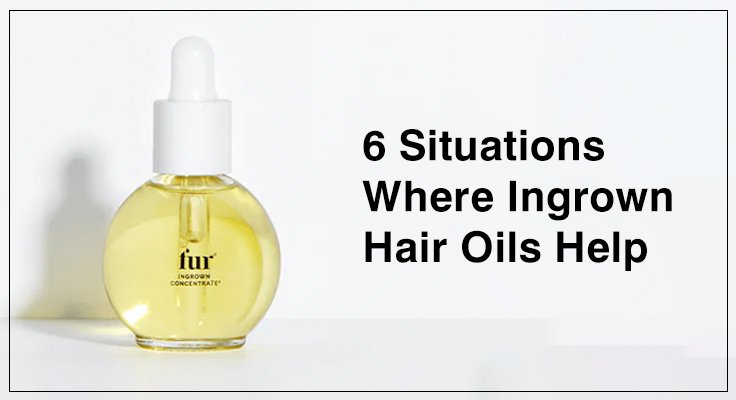
Ingrown hairs are a common skin complaint, particularly among those who shave or wax. They can leave you with redness, bumps, and discomfort that last longer than they should. Prevention isn’t always an option, but the right care can result in a significant improvement.
Here are six times and ways that ingrown hair oils can be useful—and why they’re one of the things you should be incorporating into your everyday skincare routine.
1. After Shaving Sensitive Areas
The act of shaving can irritate the skin, which can lead to hair puncture. As a result, the sharp edges of the hair can provide bacteria with an excellent opportunity to make their way through the skin. This situation can be especially noticeable in various parts of the body, including the legs, the underarms, and the bikini lines.
The oil reduces friction against clothing, making it easier to slip and more comfortable to wear. In addition to this, it will reduce the redness of the skin before bumps have a chance to appear. This helps to make post-shave care more effective and soothing, which is the purpose of this item.
2. Following Waxing Or Hair Removal Treatments
Waxing causes hairs to become entangled, and the process itself can be stressful to the skin. It is possible that new hair will have difficulty penetrating the surface of the skin as it grows back, which can result in the development of ingrown hairs. These oils will assist in moisturising and softening the skin while the regrowth process is taking place.
Both during and after treatments, it helps to maintain a smoother skin texture. The skin continues to be softer, which enables the hair to grow outward rather than curling inward. This gradual smoothing out of the skin’s obvious bumps takes place over time.
3. When Skin Feels Dry Or tight
Drier skin can cause new hairs to become trapped under its surface. If skin isn’t well-hydrated, it loses elasticity and is more susceptible to ingrown hairs. Oils help bring comfort and suppleness to dry zones.
Applying an ingrown hair oil during drier seasons will also aid in not making tightness worse. Softer skin helps the hair to grow naturally. That makes dryness-related ingrowns more manageable.
4. During Frequent Hair Removal Routines
People who remove hair regularly often suffer from chronic irritation. You can get it if you do not stop shaving or waxing your hair.
Oils don’t overload the topical product for daily care, and they can be used between hair removal treatments. As a result, the skin becomes less reactive and more soothed. This process prevents the accumulation of irritant layers.
5. In Areas Prone To Friction
Friction from your clothes, exercise, or other movements can make ingrown hairs worse. Tight fabrics in particular increase the risk of developing ingrown hairs. These can push the hair back into your skin, especially the ones in high-friction areas.
Oil helps reduce surface friction and makes your skin feel silky. Silky skin with less friction in your day can also prevent small irritations from becoming evident bumps. Regular use of this product, in particular, increases comfort.
6. When Early Signs Of Ingrown Hairs Appear
Ingrowing hair may begin with some mild redness or sensitivity, and then it becomes more obvious. Early intervention is crucial to prevent further irritation. Oils calm the skin at the first sign of irritation.
Using it early helps to soothe the area before bumps become inflamed. Skin recovers so much more quickly with the right support when given early. This cuts the risk of lasting scars.
Targeted Care Makes A Difference
Ingrown hair oils can be useful in some cases because they’re made to soothe, soften and support the skin barrier. When a heightened level of support is required, you know before it spirals too far out of control. Used regularly and at the right times, ingrown hair oils become an effortless, natural part of the smoother, calmer skincare routine for many.
Also Read : Top 10 Trends For Custom Cosmetic Boxes In 2026