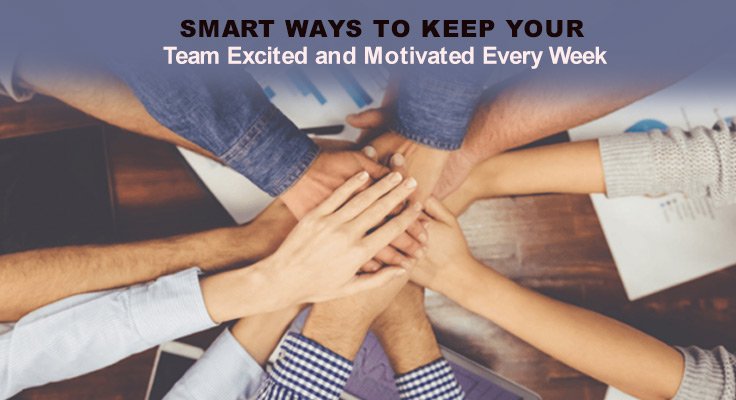
Leadership isn’t a one-time speech delivered at a quarterly kickoff; it is a living, breathing pulse that you have to monitor every single Monday morning. If you’ve ever walked into an office (or logged into a Zoom call) and felt the collective “energy drain,” you know exactly how heavy silence can feel.
In the fast-paced landscape of modern business, keeping a team motivated isn’t just about hitting KPIs — it’s about human connection. When people feel seen, challenged, and appreciated, they don’t just work harder; they work smarter. Here is how you can transform your team’s culture from “counting down to Friday” to “excited for Monday.”
Gamify the Workspace with a Surprise
Motivation often dries up when the routine becomes too predictable. Humans are wired for novelty and rewards, which is why smart leaders are moving away from stale “Employee of the Month” plaques and toward experiences that spark genuine curiosity. One of the most effective ways to break the monotony is to introduce unexpected, tangible rewards that the whole team can get excited about.
Think about the thrill of a blind reveal — it creates an instant conversational spark. For instance, Mystershirt provides high-quality mystery boxes containing authentic, original soccer jerseys from clubs all over the globe, turning a simple reward into an international sporting adventure. Gifting a Mystery Shirt to a top performer or as a raffle prize during a Friday wrap-up session is a great way to add a sense of play and global culture to your office.
Why Surprise Rewards Work
When you give a predictable gift card, the recipient knows exactly what they are getting. There is no dopamine spike. However, when you introduce a “mystery” element, you engage the brain’s reward system. The anticipation of unboxing a unique item creates a “watercooler moment” as teammates gather to see which jersey is inside. It’s a simple, cost-effective way to build camaraderie.
Master the Art of the “Micro-Win”
We often save our celebrations for the massive milestones — the $1M deal, the product launch, or the end of the fiscal year. The problem? Those events are rare. If you only celebrate twice a year, your team spends the other 363 days feeling like they are in a desert.
To maintain motivation each week, you must celebrate the “micro-wins.” These are the small, daily victories that keep the momentum moving:
- Clearing a difficult support ticket.
- Writing a clean piece of code.
- A team member helping another without being asked.
Implementing a “Win-Wall”
Whether it’s a physical whiteboard or a dedicated Slack channel, create a space to broadcast these wins. When people see their small efforts recognized, they feel a sense of progress. According to the “Progress Principle” in psychology, the feeling of making headway is the single most important factor in boosting morale and productivity.
3. Radical Transparency and the “Why” Factor
Nothing kills excitement faster than feeling like a cog in a machine. If your team doesn’t understand why they are doing a specific task, they will naturally gravitate toward the path of least resistance.
Every Monday, instead of just listing tasks, connect those tasks to the bigger picture. If the team is auditing a spreadsheet, don’t just say “we need this done.” Instead, say, “We’re cleaning this data so our customers have a seamless experience, which directly helps us reach our goal of becoming the most user-friendly platform in the industry.”
Open the Books (Virtually)
Share the challenges as well as the successes. When leaders are honest about hurdles, it builds trust. It makes the team feel like they are “in the trenches” with you, rather than just taking orders from above.
4. Give Them the Steering Wheel
Autonomy is a massive driver of motivation. Micromanagement is the fastest way to extinguish the fire in a high-performer’s soul. If you’ve hired talented people, let them do what they were hired to do.
The 80/20 Rule for Projects
Encourage your team to spend 80% of their time on core tasks and 20% on a “passion project” that benefits the company. This could be a new workflow, a creative design, or researching a new tool. When employees have a sense of ownership over their schedule and their methods, they bring a level of passion to the table that no “management tactic” can replicate.
5. Prioritize Psychological Safety
A team that is afraid to fail will never innovate. If the atmosphere is one where mistakes are punished, people will play it safe. Playing it safe is boring, and boredom leads to disengagement.
Make it Safe to “Fail Fast”
Encourage your team to take calculated risks. If a project doesn’t work out, don’t look for someone to blame. Instead, hold a “post-mortem” focused on learning. Ask: “What did we learn, and how do we pivot?” When the fear of failure is removed, excitement for the discovery process takes its place.
6. Personal Growth Over Company Growth
If your employees feel that they are becoming better versions of themselves while working for you, they will never want to leave. Motivation is often tied to personal development.
Weekly Learning Minutes
Set aside 30 minutes every week for “Lunch and Learns” or skill-sharing sessions. This doesn’t always have to be about work. Someone might teach the team about photography, while another explains the basics of SEO. Investing in your team as people, not just as employees, creates deep-rooted loyalty that translates into high-performance energy.
7. The Power of “Scheduled Play”
Work is serious, but it shouldn’t be somber. The most successful teams are those that can laugh together. Integrating a bit of fun into the week isn’t a distraction; it’s a “reset button” for the brain.
- Virtual Trivia: A quick 10-minute game on a Wednesday afternoon can break up a stressful day.
- Theme Days: From “Crazy Socks” to “Jersey Day” (where those mystery shirts might come in handy!), small themes build a shared identity.
- Off-Topic Channels: Have a place for pet photos, movie recommendations, and memes. It humanizes the workplace.
8. Consistent One-on-Ones (That Aren’t Status Reports)
Most managers use one-on-ones to check on the status of a project. This is a missed opportunity. The project status can be sent via email. Use the one-on-one time to check on the person.
Ask questions like:
- “What was the most frustrating part of your week?”
- “What can I do to make your job easier?”
- “What part of your job are you currently most excited about?”
By focusing on their emotional state and career trajectory, you show them that you are an advocate for their success. This creates a significant amount of “discretionary effort”—the extra energy an employee chooses to invest because they care about the mission.
Conclusion
Ultimately, motivation is contagious. If you, as the leader, show up with genuine curiosity, a willingness to listen, and a commitment to having a little fun along the way, your team will mirror that energy.
By mixing strategic autonomy, transparent communication, and unexpected rewards like a mystery unboxing experience, you create an environment where excellence becomes the default setting. Stop managing tasks and start leading people. The results — and the vibes in the office — will speak for themselves.
Also Read – How Corporate Team Building Encourages Problem Solving and Innovation