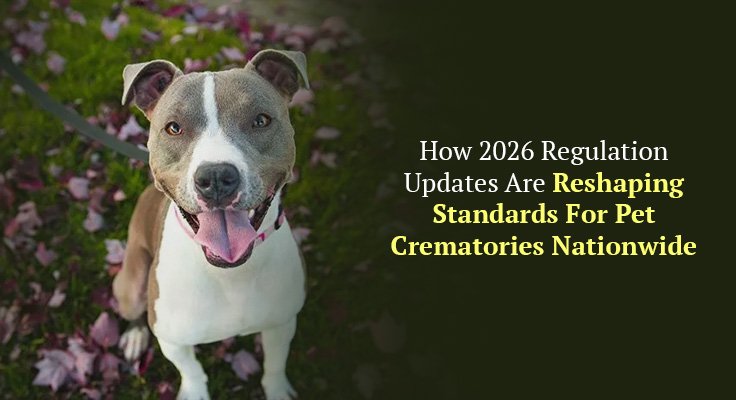
There’s no denying the rapid growth of the pet cremation industry over the last decade or so, and this has largely been fueled by shifts in cultural attitudes, a rise in pet ownership, and new demands for animal aftercare professionalism and transparency.
But with this industry growth has subsequently come all sorts of uneven regulations. Some states across the US have maintained many strict licensing requirements and inspection rules for pet crematories, whereas other states have few or no formal oversights.
According to Jackson, Lytle & Lewis—one the USA’s leading pet crematories based in Springfield, OH, these imbalances are starting to change as of 2026. This is through an incoming wave of regulatory updates that span from consumer transparency rules, environmental standards, and chain-of-custody protocols that are redefining how these types of businesses operate in the United States.
And for an industry that’s always relied on the utmost trust, these new changes are poised to bring both new operational challenges and welcomed accountability. Check out the below sections to learn more about what’s in store for the pet cremation industry nationwide next year!
A Bigger Push For Environmental Compliance
By far one of the largest forces driving 2026’s pet cremation regulatory shifts is environmental impact.
It’s no secret how conventional cremation releases a lot of harmful emissions into the atmosphere, and although pet cremations require less output in comparison to human facilities, there’s still a growing demand that’s caused several states to take legal notice.
This is why many states across the country are now beginning to adopt stricter regulations for the following:
- Benchmarks for pet cremation chamber efficiency
- Emissions control
- Recordkeeping for environmental inspections
- Equipment maintenance scheduling
These new updates are currently being inspired by policies that are already in existence in states like Colorado and California, so for pet crematories nationwide, this subsequently means that mandatory upgrades to older equipment and more compliance reviews will be necessary.
And it’s important to keep in mind that these environmental changes aren’t just punitive, because it’s now forcing pet cremation equipment manufacturers to innovate toward energy-efficient, cleaner-burning models. This type of future innovation will ultimately provide a lot of cost-effective benefits for pet funeral homes in the long run.
Stricter Chain-Of-Custody Requirements
Another impactful update that’s coming for the pet cremation industry in 2026 is new chain-of-custody protocols, which entail the documented path that a pet typically takes from the time they receive cremation services to the precise moment the remains are returned to the family or owner.
And while the vast majority of reputable pet crematories have always followed very strict internal procedures for many years, regulatory oversight varies dramatically on a state-by-state basis. In some states, absolutely no chain-of-custody documentation is required at all.
Some of the new standards within this sector of pet cremation include the following:
- RFID or barcode tagging systems
- Mandatory forms with timestamped identifications
- Required documentation for pet owners
- Clear separations of private and communal pet cremation spaces
These updates will have a significant impact on the entire industry’s overall transparency, which will subsequently help a lot of pet owners in terms of common mix-ups and concerns. Although many pet crematories have adopted modernized tracking systems throughout recent years, 2026 might be the first year in which these tech-savvy tools are officially industry expectations.
Expanding Consumer Transparency Rules
Next year in 2026, it’s expected that regulators will be pushing for much broader consumer disclosure requirements in the pet cremation industry. These changes are a direct reflection of the public’s increasing expectations for pet aftercare professionalism.
Some of the upcoming changes will end up requiring pet crematories to do the following:
- Present itemized, clear pricing formats
- Disclose the usage of subcontractors
- Provide written explanations of different types of pet cremations (“individual”, “private” vs. “communal”)
- Offer detailed information on how pet remains are stored, handled and returned
These new rules will now coincide more directly with the human funeral industry’s longstanding regulations, which is great news for pet crematories that have unique operations.
What These Regulatory Changes Mean For The Pet Cremation Industry
The ensuing regulatory updates coming next year are undoubtedly going to reshape the entire landscape of the pet cremation industry all across the country.
These regulations will usher in three major changes, including:
- Improved consumer confidence
- Higher costs in the short term
- More personalized industry services
And for a business that’s rooted in a deep sense of compassion and empathy, these regulations are undoubtedly going to strengthen the bonds between professionals and pet owners after the loss of furry loved ones.
So, it’s undoubtedly a very good thing that 2026 is poised to usher in a new era for the pet crematory field that’s rooted in transparency and modern expectations!
Also Read: How ProDenta Fits into the New Era of Subscription-Based Pet Health Products