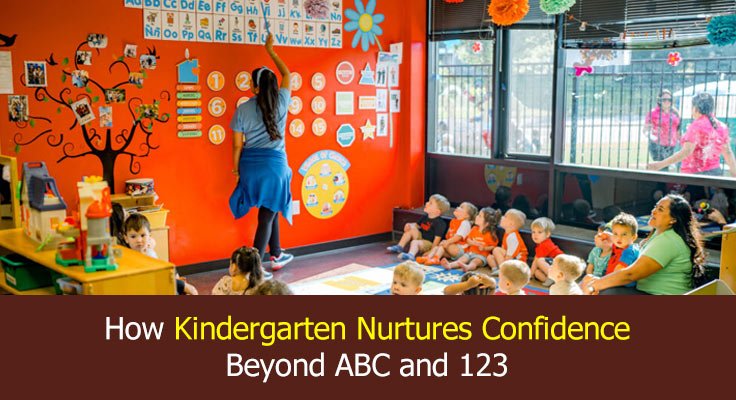
Kindergarten is not only where kids learn their letters and numbers but also where they gain the confidence to explore, connect, and grow. Those early years play a big role in how children see themselves and the world around them. Here is how kindergarten works to develop confidence beyond the basics.
1. Encourages Independent Thinking
When children are in kindergarten, they are given the opportunity to make “easy decisions,” such as selecting an activity from a list or figuring out how to solve a puzzle. Making decisions that are considered to be “insignificant” is a great way to develop independence and resourcefulness.
Learning to think for themselves is a lesson that is taught to children. This lesson teaches them that there is no such thing as failure; rather, there are only opportunities for learning. That makes them more resilient and confident and gives them the tools to overcome challenges long past their kindergarten years.
2. Builds Social and Emotional Skills
A child’s first encounter with other children who are not members of their family occurs when they are enrolled in kindergarten. It’s in these small ways, by sharing and taking turns and working out the little differences, that they are learning to be gentle with each other and work as a unit.
During the course of participating in games and activities together, they develop the ability to communicate their feelings and comprehend the emotions of others. During these formative years, however, the seeds of emotional intelligence are planted, including the knowledge of how to be a good friend and the confidence to communicate effectively.
3. Fosters a Love for Learning
Confidence is an attribute that can be nurtured in kids as they feel encouraged, curious and capable. Kindergarten is all about play and learning. Teachers will ensure the time at primary school is packed with fun, exciting adventures.
That’s what learning is for kids, at least when it’s fun and hands-on; there’s no boring schoolwork. Programs such as kindergarten Melbourne foster and encourage that spirit, teaching young learners that learning is fun every day.
4. Provides Gentle Structure and Routine
For kids, it is crucial to be able to predict events. Morning circles, snack times, and morning playgroups greatly enhance stability and comfort for children.
Because they can predict it, they become even more efficient at changing environments and adapting to them. It also lets them know that they can experiment a little and get confident that it will not turn out to be a disaster, as they have this handy backup.
5. Celebrates Individual Strengths
Good kindergartens take the position that every child is unique. Teachers will notice and feed the interests that the children have, be it in drawing, crafting, or stacking building blocks. Over time, each child develops into an independent individual and shares their unique qualities with those around them.
Good kindergartens also celebrate little successes and personal achievements. Cultivating such an attitude in children helps them to appreciate the value of their effort and broaden their worldview.
6. Encourages Positive Communication
Public speaking can be nerve-racking even for grown-ups. Kindergarten is an environment where children can share their views in a safe setting.
Kids use their voices confidently through songs, group discussions and show-and-tell sessions. These early encounters with language development are what create the foundation for a lifetime of confidence and leadership.
Confidence That Lasts a Lifetime
Kindergarten isn’t just practice for school; it’s practice for life. When they are led by patient, caring teachers, children don’t just learn the ABCs—they find out how far they can go on their own, gain confidence and start to believe in themselves. And that is the true foundation of lifelong learning and success.
Also Read: The Inner Critic vs. Confidence: Rethinking Beauty on Our Own Terms