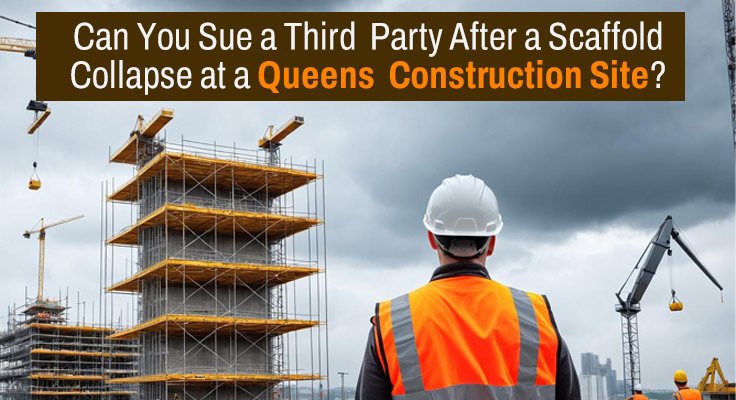
A scaffold collapse at a Queens construction site can cause serious injuries and raise tough questions about who bears responsibility. Construction work involves many parties, from contractors to equipment suppliers, and a single mistake from any of them can lead to harm. An injured worker may have the right to sue a third party if that party’s negligence caused or contributed to the collapse.
Understanding how third-party liability works helps victims know their legal options beyond workers’ compensation. This article explains who may be held accountable, what compensation may be available, and why skilled legal guidance often makes a difference after a scaffold accident in Queens.
Understanding Third-Party Liability in Queens Scaffold Collapse Cases
A scaffold collapse on a Queens construction site can cause severe injuries or even death. In most cases, injured workers receive benefits through workers’ compensation, which covers medical bills and part of lost wages. However, workers’ compensation does not allow lawsuits against the direct employer.
A third-party claim may apply if someone other than the employer contributed to the accident. For example, a property owner, subcontractor, or equipment manufacturer could face liability for unsafe conditions or defective materials. These claims can provide additional compensation beyond workers’ compensation benefits.
Establishing third-party liability requires evidence that another party’s negligence caused the collapse. A Queens construction accident lawyer for workers can help identify responsible parties, collect proof, and handle negotiations with insurers.
Lawyers familiar with local construction laws understand how New York’s Scaffold Law affects these cases. They also know how to navigate Queens courts and protect injured workers’ rights through careful investigation and legal action.
Common Third Parties You Can Sue: Contractors, Equipment Manufacturers, Property Owners
Contractors often share responsibility for scaffold collapses. They must follow safety rules, inspect equipment, and train workers. If a contractor ignores safety standards or rushes a job, that negligence can cause serious injuries and open the door to a third-party lawsuit.
Equipment manufacturers may also face liability. Defective scaffolding parts, faulty harnesses, or weak support materials can lead to a collapse. If a design flaw or poor-quality material caused the accident, the injured worker may sue the manufacturer for producing unsafe equipment.
Property owners can also be held accountable. They have a duty to keep the site safe and address hazards that could harm workers. Failure to maintain the property, warn about risks, or follow building codes can make them responsible for injuries that occur on their premises.
When Workers’ Compensation Limits Employer Lawsuits but Allows Third-Party Claims
Workers’ compensation law protects both employees and employers after a job site accident. Employees receive benefits for medical bills and lost wages without proving fault. In return, they usually cannot sue their employer for negligence related to the injury.
However, this protection does not extend to third parties that cause or contribute to an accident. For example, if a scaffold collapse results from a defective part or unsafe setup by another contractor, the injured worker may file a separate claim against that party. This type of claim can cover damages not included in workers’ compensation, such as pain and suffering.
The workers’ compensation insurer may place a lien on any third-party recovery to prevent double payment for the same losses. Therefore, coordination between both claims matters. Legal guidance helps injured workers understand how to pursue compensation from all responsible parties while staying within the law’s limits.
Types of Compensation Available in Third-Party Scaffold Collapse Lawsuits
In a third-party scaffold collapse lawsuit, an injured worker may seek both economic and non-economic compensation. Economic compensation covers measurable losses such as medical bills, hospital stays, rehabilitation costs, and lost wages from missed work. These damages help replace income and pay for necessary treatment.
Non-economic compensation addresses harm that does not have a fixed dollar value. It may include payment for physical pain, emotional distress, or loss of enjoyment of life. Courts often review the severity of the injury and its effect on daily life before deciding the amount.
Some cases may also involve future damages. For example, if an injury prevents a person from returning to construction work, they may recover compensation for lost future earnings. In rare cases, punitive damages may apply if the third party acted with extreme negligence or disregard for safety standards.
Importance of Hiring a Queens Personal Injury Attorney for Scaffold Accident Claims
A Queens personal injury attorney can help an injured worker understand legal rights after a scaffold collapse. New York’s labor laws, including the Scaffold Law, can be complex, and an attorney can explain how these rules apply to each case. This guidance helps injured workers avoid costly mistakes during the claims process.
An attorney can identify all parties that may share responsibility for the accident. In some cases, a third party such as a contractor, equipment supplier, or property owner may have caused or contributed to the collapse. Holding these parties accountable can increase the amount of compensation available.
Legal representation also helps gather evidence, interview witnesses, and deal with insurance companies. Attorneys can handle negotiations and, if needed, file a lawsuit to protect the worker’s rights. Their knowledge of local laws and court procedures can make the process more efficient and less stressful for injured workers and their families.
Conclusion
A scaffold collapse at a Queens construction site can leave injured workers facing serious losses. Workers’ compensation may cover medical bills and part of lost wages, but it often does not address all damages. Therefore, a third-party lawsuit may offer additional recovery if another party’s negligence caused the accident.
Evidence such as safety reports, witness statements, and maintenance records can help identify who bears responsibility. Contractors, property owners, or equipment manufacturers may each share liability depending on their role in the incident.
Legal guidance can help victims understand their rights and pursue fair compensation. By examining all possible claims, injured workers can seek the financial support they need to move forward after a scaffolding accident.
Also Read: Tips to Choose the Right Third-Party Service Provider