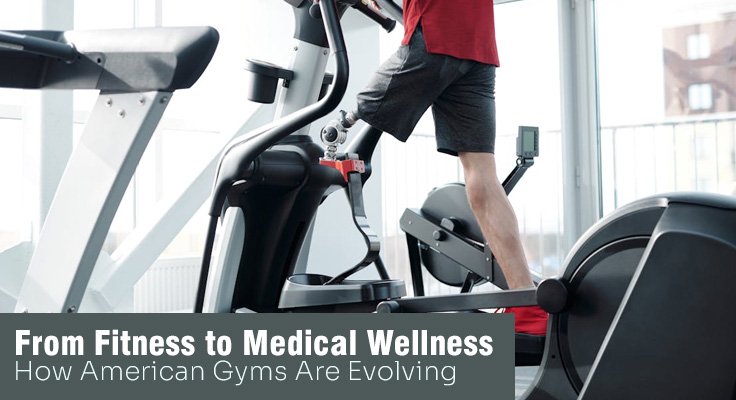
You can feel something shifting in gyms across the U.S. The old layout of machines and dumbbells still sits there, sure, but the energy has changed. I walk into some places and see metabolic labs humming, small consultation rooms buzzing with quiet conversation, and recovery setups that look almost clinical. People want strength, but they also want steadier energy, fewer aches, and a sense that their daily life actually gets easier. That broader push shapes the new direction.
The line separating gyms and healthcare keeps fading. Members show up expecting more than coaching on reps. They want someone who can help stitch together the messy pieces of real life: nutrition swings, rough nights of sleep, stress spikes, weird hormonal dips. Trainers and medical partners now stand side by side because the old siloed model never really fit how people live.
Why Gyms Are Moving Toward Medical Wellness
Most gyms once focused on lifting, cardio, maybe a class or two. Now you see owners talking about metabolism quirks, long-term pain patterns, aging struggles, and the way stress drags on recovery. Members want answers that feel grounded and measurable. I’ve heard gym operators say they invite clinicians in because members keep asking for help on issues that land somewhere between a workout and a doctor’s visit.
Chronic health concerns keep rising in the country, and gyms step in early. If you get coaching before problems escalate, you avoid tougher medical battles later. Some centers now let you talk to physical therapists on the same day you tweak a knee. That early care carries a certain comfort.
Training shifts from aesthetics to health span. Feels like a different mindset.
New Medical Services Inside Gyms
A wave of services once locked inside medical buildings now shows up next to squat racks.
Metabolic testing
Labs inside gyms run RMR and VO2 tests that show how you burn energy. No guessing. Coaches build plans based on real data, which members seem to appreciate. Precision just lands better.
Physical therapy
Plenty of gyms partner with local therapists or bring them in-house. You don’t sit around waiting for referrals. You get movement fixes, injury guidance, and pain reduction strategies that don’t rely only on meds. It keeps people active instead of stuck on the sidelines.
Wellness coaching
Coaches talk about sleep cycles, mood shifts, eating patterns, and daily habits. That kind of structure gives members a better shot at sticking with their goals. Once you understand your rhythms, it’s harder to drift off track.
Longevity programs
Older adults train with a long view. Strength, mobility, heart health, stress control. They follow plans that support lifespan and health span at the same time.
Section with Required Link: Addiction Treatment Center
Some gyms also point people toward outside care if they need deeper support. Stable routines help recovery, and structured programs strengthen that stability. You can use services from an Addiction Treatment Center to rebuild your footing.
How Healthcare Partnerships Strengthen the Gym Experience
Clinicians see the value in teaming with gyms. Patients who exercise consistently tend to improve across a wide range of conditions. When treatment and training overlap, you avoid the awkward space between “finished rehab” and “ready for real workouts.”
It also raises the quality of education. You start understanding how exercise affects glucose swings, blood pressure changes, sleep quality, and brain function. Coaches sync with clinicians to match training plans to medical needs, cutting down on preventable injuries.
Some gyms even run joint sessions where you meet both a coach and a clinician. Feels more complete that way.
Mental Health Support and Dual Diagnosis Resources
Gyms embrace the mind-body connection more than they used to. Many now collaborate with counselors who help members manage emotional spikes or burnout. A few offer referrals for those who need deeper support.
Some conditions involve both mental health and substance use, which calls for integrated treatment. You can explore Dual Diagnosis for that type of care.
What Longevity Means Inside Modern Gyms
Longevity takes center stage in the newer gym model. People want to move well and stay mentally sharp as the years pass.
Strength programs for aging
Coaches design routines that protect bone density, posture, balance, and joint strength. Many older adults say they feel steadier once they get consistent with this style of training.
Hormone and inflammation support
Some gyms partner with clinicians who run simple tests to check inflammation or hormone shifts. Coaches adjust training based on that info. Members often mention feeling better recovered once those changes kick in.
Stress and sleep tracking
Wearables feed trainers real data about stress loads and sleep quality. You start noticing how tiny tweaks in routine change your energy the next day.
Section with Required Link: Luxury Rehab in LA
If your challenges sit deeper than fitness or daily habits, structured programs can help you rebuild health from the ground up. You can explore a Luxury Rehab in LA.
The Rise of Recovery Zones and Regenerative Services
Recovery spaces keep growing in popularity. Members use cryo chambers, red light rooms, compression boots, and stretching sessions to recharge. Gyms realized that recovery keeps people consistent far better than going hard every session. When your body feels okay, you show up.
Some places add regenerative therapies like platelet-rich plasma sessions or mobility diagnostics. It creates a loop of support all under one roof.
The Business Motivation Behind the Shift
Owners know the old model doesn’t cut it anymore. Members want guidance and steady support, not just equipment. Medical services raise retention, which keeps the business stable.
The shift also gives gyms a buffer when the fitness market swings. When they add health services, they edge closer to a more stable healthcare-style revenue model.
What Leaders Say About the Future of Fitness and Wellness
Industry voices expect medical wellness programs to spread across major gym chains. According to my analysts, you’ll likely see larger facilities with clinicians on-site as a standard feature. Prevention-focused training may slide into the broader U.S. healthcare system.
Mental health support will sit next to strength training. Members want balance and steadier emotions, not just muscles or stamina. That mix pushes gyms to take a whole-person approach.
Tech will keep changing things. Wearables, real-time data points, and AI insights will help trainers give sharper guidance. People will follow daily shifts based on what their bodies report back.
The Bottom Line
Gyms in the U.S. are reshaping themselves into wellness hubs where fitness, medical input, mental health, and recovery overlap. You get clearer direction and steadier progress. This shift supports long-term health instead of chasing short-term results.
As this model grows, expect more partnerships with clinicians, more testing, and more structured programs that promote prevention and longevity. It fits the way people actually live, not the ideal versions they imagine.
If you want a grounded, long-lasting path to better health, this updated gym environment gives you a strong place to begin.
Also Read: Can a Smart Exercise Bike Replace a Gym Membership?