The 1929 Echo “…we will have a crash…”
Chills. Right?
When Andrew Ross Sorkin dropped those words in a recent CBS interview, it wasn’t just another prediction. It felt different. This is the man who wrote the book on the 2008 financial meltdown. When he gets worried, I get worried.
And here’s the kicker: He’s not talking about the 2000 dot-com bust. He’s looking at the current AI euphoria and seeing chilling market crash echoes 1929. That lands differently. It’s a serious YMYL (Your Money or Your Life) warning for every single investor out there.
So, why is his voice so critical right now? We’ve dug deep. This isn’t just a guide; it’s the definitive breakdown of 15 specific Andrew Ross Sorkin facts. We’re connecting the dots—his decades of experience, his unique access, his gut for market bubbles—to his profound concerns about the AI market. This isn’t random; it’s a foundation of experience that demands we pay attention.
Here Are 15 Andrew Ross Sorkin Facts That Frame His AI Warning
1. His New Warning Isn’t About 2000. It’s About 1929.
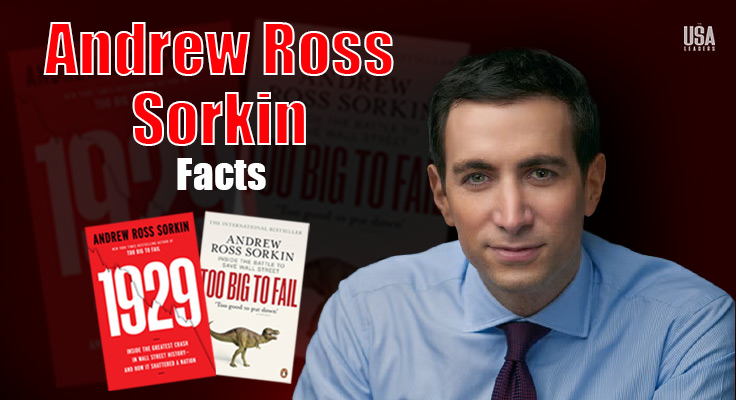
- The Fact: Forget the dot-com bubble. Sorkin’s focus right now is increasingly on the 1929 Great Crash. He’s even exploring it deeply in his forthcoming Andrew Ross Sorkin 1929 book.
- Why This Fact Matters for the AI Bubble: This is so important. He’s not just saying “stocks are pricey” (the classic AI vs dot-com bubble comparison). He’s pointing to the system itself—wild speculation, crazy leverage, and a total loss of discipline. That suggests the vulnerability in this AI gold rush isn’t just skin deep; it’s foundational.
2. He is the Author of “Too Big to Fail.”
- The Fact: This man literally wrote the book on the last great meltdown. Too Big to Fail is that gripping, definitive account of the 2008 financial crisis and how the whole house of cards came tumbling down.
- Why This Fact Matters for the AI Bubble: He’s seen financial contagion up close. That knowledge, earned from writing Andrew Ross Sorkin’s Too Big to Fail, is fueling his anxiety now. He knows how fast things can spread and how easily big risks can hide behind new tech. He’s afraid of a similar cascade if this AI boom hits a wall.
3. He is the Founder of the “DealBook Summit.”
- The Fact: Sorkin didn’t just join the conversation; he created the room. He established and still curates the annual DealBook Summit, where he sits face-to-face with the most powerful CEOs, policymakers, and innovators on the planet.
- Why This Fact Matters for the AI Bubble: This isn’t just about getting interviews. It’s about having direct, unfiltered access to the very people driving the boom, like Sam Altman and Jensen Huang. He gets to push past the PR spin, giving him a truly authoritative, first-hand feel for AI valuations and spotting potential market speculation 2025 long before we do. What an incredible vantage point!
4. He Co-Anchors CNBC’s “Squawk Box.”
- The Fact: Every single weekday, he’s co-anchoring CNBC Squawk Box. He’s not just reporting on Wall Street; he’s breathing its air, feeling its real-time pulse.
- Why This Fact Matters for the AI Bubble: Imagine being that immersed! His daily soak in those “animal spirits” gives him a finely tuned antenna for shifts in market psychology. It helps him feel the difference between a genuine, lasting AI gold rush and a temporary, fleeting AI sugar rush. That gut feeling is what’s feeding his anxiety about those market crash echoes 1929.
5. He Co-Created the TV Show “Billions.”
- The Fact: Yes, that “Billions.” He co-created the hit TV show, renowned for its jaw-dropping look at hedge fund machinations, massive power plays, and the raw psychology of chasing extreme wealth.
- Why This Fact Matters for the AI Bubble: This isn’t just a cool side gig. It proves he gets the human side of money. He understands how greed, ego, and that relentless drive for “alpha” can make even the smartest people amplify a market bubble. He sees those same human drivers pushing the AI sector to potentially dangerous heights.
6. His Warning Centers on “Democratizing Finance.”
- The Fact: He’s been sounding the alarm on the removal of “guardrails” in finance. Specifically, he’s worried about everyday retail investors getting easy access to super-speculative assets. He draws a direct line from 1929’s margin trading to today’s easy access to private AI startup investments.
- Why This Fact Matters for the AI Bubble: This is a huge red flag for him. He sees a dangerous trend where sophisticated, often illiquid, AI investments are being sold to the public, bypassing all the traditional safety checks. He fears this “democratization” of speculative finance could lead to massive, widespread losses if the AI sugar rush suddenly stops.
7. He Calls the AI Boom a “Sugar Rush.”
- The Fact: He’s not calling it a revolution. He’s calling it a “sugar rush.” Think about that metaphor—it’s a temporary, artificial high, not real, sustainable energy.
- Why This Fact Matters for the AI Bubble: That single phrase just shatters the market hype, doesn’t it? By calling it an AI sugar rush, he’s implying the explosive growth isn’t built on solid fundamentals, but on pure speculative excitement. It makes you ask: Is this AI gold rush actually sustainable, or are we all just headed for a massive crash when the sugar wears off?
8. He’s a Financial Columnist, Not a Tech Columnist.
- The Fact: This is a critical distinction. Andrew Ross Sorkin’s primary beat is finance, mergers and acquisitions, and market dynamics—not just the technological innovation itself.
- Why This Fact Matters for the AI Bubble: He can separate two things that most people mix up: 1) the cool, genuine advancements in AI, and 2) the wild, speculative stock valuations attached to them. He’s not dazzled by the tech; he’s looking at the balance sheet, asking if the financial metrics justify the unbelievable hype.
9. He Has a History of Breaking M&A News.
- The Fact: Back in the day, Sorkin was the guy for breaking massive M&A news. He was famous for sniffing out huge corporate moves before anyone else.
- Why This Fact Matters for the AI Bubble: All those years covering M&A gave him an incredible “bubble sense.” He can just feel when irrational exuberance is taking over. This instinct is helping him spot when today’s AI acquisitions and private funding rounds look more like a speculative frenzy than a sound financial move.
10. He Rose to Prominence During the First Tech Bubble.
- The Fact: Talk about timing! He began his career at The New York Times in the late 1990s. That means he had a front-row seat for the entire dot-com bubble, from its insane rise to its spectacular crash.
- Why This Fact Matters for the AI Bubble: That’s priceless experience. He’s literally “seen this movie before.” It gives him the unique ability to spot the same patterns of excessive market speculation 2025, unrealistic valuations, and investor irrationality in the current AI boom, strengthening his AI vs dot-com bubble comparisons.
11. He Differentiates Hype from Utility (e.g., Crypto vs. AI).
- The Fact: He’s not just a “sky is falling” kind of guy. He’s incredibly nuanced. He famously (and rightly!) expressed major skepticism about cryptocurrencies, even joking about “Sorkincoin.”
- Why This Fact Matters for the AI Bubble: This is why we should trust his AI warning. He’s not anti-tech or anti-innovation. His past skepticism shows he’s just anti-hype. He recognizes AI has real potential, but his measured approach forces him to ask the hard question: Is this AI boom sustainable, or is it just an inflated valuation bubble?
12. He Asks AI CEOs the “Uncomfortable” Financial Questions.
- The Fact: When he gets AI leaders like Satya Nadella or Sam Altman on CNBC Squawk Box or at the DealBook Summit, he doesn’t just ask about the cool tech. He presses them on the uncomfortable stuff: tangible ROI, corporate governance, and actual earnings.
- Why This Fact Matters for the AI Bubble: He’s relentlessly focused on financial accountability. He’s worried that the entire sector’s valuation is floating completely detached from conventional economic metrics. He’s trying to pull the conversation about the AI gold rush back down to financial reality.
13. His Authority is Validated by His Peers (Emmys & Loebs).
- The Fact: This isn’t just our opinion. The man’s shelves are full of prestigious awards, including multiple Emmy Awards and Gerald Loeb Awards (which are like the Pulitzers of business journalism).
- Why This Fact Matters for the AI Bubble: His peers, the best in the business, have repeatedly validated his excellence. These awards are his powerful E-E-A-T signals, confirming his expertise. It means his voice carries immense weight, especially on critical YMYL (Your Money or Your Life) topics like this.
14. He’s Worried About the “Guardrails” Coming Off.
- The Fact: This is a core part of his 1929 thesis. He believes the real danger happens when the financial guardrails and regulatory oversight get weak, right when speculation is hottest.
- Why This Fact Matters for the AI Bubble: He sees that exact perilous combination right now. We have sky-high market speculation for 2025 in AI, combined with a perceived reduction in regulatory scrutiny. This mirrors the unchecked environment of 1929, creating a perfect storm for a collapse if the AI sugar rush falters.
15. His Warning is a Call for Vigilance, Not Panic.
- The Fact: Even with all these stark warnings, he’s not yelling “sell everything!” He consistently frames his concerns as a call for increased investor vigilance and informed decision-making, not for outright panic.
- Why This Fact Matters for the AI Bubble: This balanced, responsible stance is what makes his message so trustworthy. He’s not a doomsayer; he’s an incredibly experienced observer who is simply urging us to replace complacency with critical thinking. He wants us to understand the very real risks of the current AI gold rush and choose wisely.
My Opinion: The Sorkin Synthesis
Andrew Ross Sorkin’s AI bubble warning is so powerful because it’s not just one thing—it’s a “synthesis” of three historic crises. He’s blending the lessons of the 2008 systemic contagion (from Andrew Ross Sorkin’s Too Big to Fail), the 2000 dot-com excess, and the 1929 speculative crash (from his forthcoming Andrew Ross Sorkin 1929 book).
This is why his alarm isn’t just about high stock prices. He’s worried about market psychology, disappearing guardrails, and the risk of contagion. This unique trifecta of Andrew Ross Sorkin facts and lived experience, sharpened daily on CNBC Squawk Box and at the DealBook Summit, is precisely why his take on the AI sugar rush demands our full attention. It’s not just noise; it’s a signal.
Here Are Some Lessons From the Life of Andrew Ross Sorkin
- Founding DealBook in 2001:
Think about that timing. Wall Street was shattered by 9/11 and the dot-com bust. While everyone else was in crisis mode, Sorkin launched the DealBook column. That’s an incredible foresight, showing the power of finding your niche during the chaos, not after it.
- The Immersion for Too Big to Fail:
He didn’t just do interviews. For his 2008 book, he famously embedded himself in the offices of CEOs and officials, watching them make decisions in real-time. It’s a powerful lesson in the value of direct observation over second-hand reports.
- The “Sorkin Test” for CEOs:
He’s mastered the art of the pointed, difficult question (especially at the DealBook Summit) that cuts through the spin. It teaches us all to value rigorous inquiry and to never, ever be afraid to ask the uncomfortable questions.
- Bridging Journalism and Entertainment with “Billions”:
Co-creating “Billions” wasn’t just a side project; it was a masterstroke. He proved he could translate dense financial realities into gripping human drama. It’s a profound lesson in the power of storytelling to make the complex accessible.
- His Relentless Focus on “Why”:
Sorkin never just reports “what” happened. He obsessively digs for the “why”—the human motivations, the psychological biases, the systemic flaws. This analytical rigor is a masterclass in seeking root causes, whether he’s looking at the AI gold rush or market crash echoes 1929.
The intense market speculation in 2025 and the huge question of whether the AI boom is sustainable are conversations that everyone needs to be part of.
If this analysis made you think, don’t keep it to yourself. Please, share this critical analysis with your friends, family, and anyone investing in today’s market. Let’s foster vigilance, not complacency.