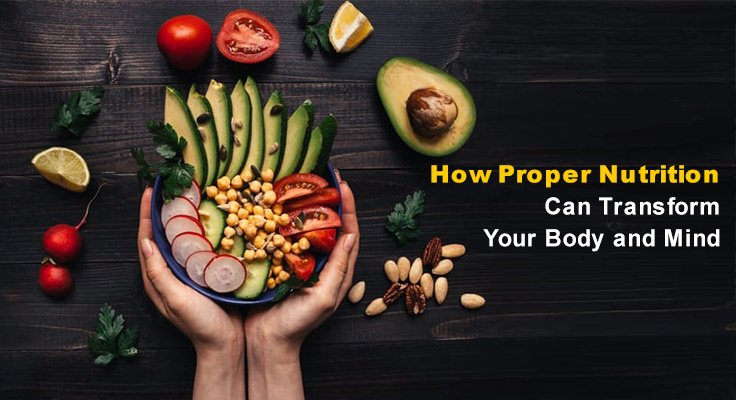
Food is far more than fuel, it has a direct influence on how the body performs and how the mind functions. Eating well impacts energy, focus, and overall well-being in ways that are sometimes subtle but always significant. Working with a Registered Dietitian Nutritionist can help unlock this potential, providing guidance that ensures the body receives essential nutrients while supporting cognitive function and sustained energy throughout the day. Proper nutrition is not just about avoiding illness, it’s about feeling capable, motivated, and empowered in everyday life. Even small changes, like swapping processed snacks for whole foods or adding more colorful vegetables to meals, can have noticeable effects on mood, energy, and mental clarity.
Nutrition and Energy: The Foundation of Daily Life
Energy levels are directly tied to the quality of the food consumed. Meals rich in whole grains, lean proteins, fruits, and vegetables provide steady fuel, preventing sudden crashes that leave the body feeling sluggish. Without proper nutrients, the body struggles to maintain physical stamina and mental clarity, leading to fatigue and decreased productivity.
A Nutritionist can design a meal plan that stabilizes blood sugar, incorporates nutrient-dense foods, and balances macronutrients to keep energy consistent from morning to night. This creates a foundation for improved focus, better mood, and the ability to tackle daily tasks with ease. Simple adjustments, such as adding a protein source to breakfast or incorporating healthy fats into snacks, can make a big difference in sustaining energy throughout the day.
The Mind-Body Connection
Nutrition impacts the brain just as much as it does the body. Essential nutrients like omega-3 fatty acids, B vitamins, and antioxidants support cognitive function, memory, and mental alertness. Poor dietary choices, in contrast, can result in brain fog, difficulty concentrating, and low motivation.
A personalized plan from a Nutritionist ensures that brain health is prioritized alongside physical health. By carefully selecting foods that nourish neural pathways, it becomes easier to maintain focus, regulate emotions, and approach challenges with clarity. Including foods such as leafy greens, berries, and fatty fish provides antioxidants and nutrients that support optimal brain function over time.
Boosting Willpower and Motivation Through Food
Eating properly has a psychological effect as well. When the body receives the nutrients it needs, willpower increases, and tasks that previously felt overwhelming begin to feel manageable. Cravings are reduced, energy is sustained, and a sense of control over daily routines emerges.
Working with a Nutritionist helps identify patterns that may lead to poor food choices, offering strategies to overcome these habits. This support empowers individuals to make decisions that are not just healthy in the moment, but sustainable over time. Even learning how to prepare simple, nutrient-rich meals can create a sense of accomplishment and boost confidence in one’s ability to stay consistent.
The Role of Nutrient Timing
It’s not just what is eaten, but also when. Strategic timing of meals and snacks can significantly influence energy, mood, and focus. For example, balanced breakfasts fuel the start of the day, mid-morning snacks maintain concentration, and evening meals provide recovery and preparation for the next day.
A Nutritionist can map out meal timing to align with individual schedules, activity levels, and metabolic needs, ensuring the body operates at peak efficiency throughout the day. Even subtle changes, like eating a balanced snack before a long meeting or workout, can prevent dips in energy and improve performance.
Building Resilience and Immunity Through Diet
Strong immunity is essential for maintaining long-term health, and nutrition plays a central role in immune support. Vitamins, minerals, and antioxidants from whole foods strengthen the body’s defenses, while protein supports tissue repair and recovery.
Personalized guidance from a Nutritionist ensures that immunity-boosting nutrients are consistently included in the diet, reducing susceptibility to illness and promoting faster recovery when the body is under stress. Foods like citrus fruits, nuts, seeds, and yogurt provide essential nutrients that support the immune system while adding flavor and variety to meals.
Practical Strategies for Everyday Nutrition
Healthy eating should feel approachable and realistic. Nutritionists provide practical strategies for integrating proper nutrition into daily life, including:
- Meal Planning: Planning meals ahead reduces stress and ensures balanced nutrition.
- Smart Grocery Shopping: Selecting the right ingredients makes healthy choices easier at home.
- Portion Awareness: Knowing how much to eat supports energy and prevents overeating.
- Snack Optimization: Nutrient-dense snacks maintain energy and reduce cravings.
- Hydration: Adequate fluid intake is often overlooked but essential for mental and physical performance.
These strategies take nutrition from theory to practice, making it manageable, enjoyable, and effective. Simple tools like using a grocery list, prepping ingredients in advance, or keeping healthy snacks accessible can make staying on track much easier.
Achieving Mental Clarity and Focus
Proper nutrition has a direct impact on cognitive performance. Balanced meals with adequate protein, healthy fats, and complex carbohydrates sustain neurotransmitter function, supporting memory, concentration, and mood stability.
Nutritionists tailor dietary plans to enhance mental clarity, creating routines that keep the mind sharp during work, study, or daily responsibilities. The right foods become tools for mental resilience and productivity. Even small additions, such as a handful of nuts or dark chocolate, can improve focus and maintain alertness during demanding tasks.
Sustaining Long-Term Health
Temporary diet changes often fail to produce lasting results. A sustainable approach focuses on consistent habits rather than quick fixes. Working with a Nutritionist promotes long-term success, helping individuals develop eating patterns that are enjoyable, flexible, and aligned with their lifestyle.
This sustainability ensures that energy, mental sharpness, and overall well-being are maintained over months and years, creating a foundation for a healthier, more capable life.
Personalization: The Key to Success
Everyone’s body responds differently to food. Age, activity level, medical history, and lifestyle all influence nutritional needs. A Nutritionist considers these factors, creating a personalized plan that is realistic, effective, and tailored to individual goals.
By providing ongoing support, tracking progress, and making adjustments as needed, these professionals help ensure that nutritional improvements are lasting and meaningful. Over time, this personalized guidance encourages experimentation with new foods and recipes, helping to make healthy eating both exciting and enjoyable.
Transforming Your Life Through Nutrition
Nutrition is not just a matter of food choices; it is a pathway to enhanced energy, improved focus, and overall vitality. With professional guidance, eating well becomes intuitive, structured, and effective. Meals and snacks no longer serve simply to satisfy hunger, they become tools for building a life full of energy, clarity, and resilience.
Partnering with a Nutritionist ensures that every bite counts toward better physical performance, mental focus, and long-term health. By prioritizing nutrition today, it is possible to unlock a life that feels energized, capable, and fully alive.
Also Read: How Modern Diets Contribute to Nutritional Imbalances