Choosing the right fitness career can feel confusing. There are so many job choices out there. It’s normal to have questions before starting your journey. I remember learning that over 300,000 people work as personal trainers in the U.S. today.
In this blog, I will explain what you can expect and share important steps for your growth. I’ll also outline the skills you need before you begin your path. Keep reading—I have tips that might help shape your future in fitness!
Key Takeaways
- There are many fitness careers, including personal trainer, group instructor, or online coach. Over 300,000 people work as personal trainers in the U.S.
- Getting certified is important. Trusted groups like ACE, NASM, ACSM, NSCA, and ISSA offer programs to help you show your skills.
- Hands-on experience helps you learn fast. You can gain this from internships at gyms or entry-level jobs like gym assistant or wellness coach.
- Business skills matter in fitness. It’s good to learn about marketing on social media and keeping track of money when working with clients.
- Networking opens doors to new jobs and mentors who can guide your career growth in the health and wellness field.
Assessing Your Interests and Strengths
After sharing why fitness careers matter, I start to look at my own interests and strengths. Some people love working with others—teaching group classes or leading teams. Others feel more confident focusing on personal training or health coaching in one-on-one settings.
I think about what sparks my energy most: Is it giving advice about nutrition? Planning tough gym workouts? Or using knowledge from exercise science learned in school?
I hear this all the time from industry leaders:
“Find what you enjoy, because your passion is your best qualification.”
Skills make a big difference too. For example, if I have good communication skills, client management may come easy for me as a gym instructor or online fitness coach. If numbers and tracking excite me more than talking with clients all day, roles that focus on program design fit better.
My natural strengths set the stage for success—whether it means running an online fitness business or guiding wellness programs focused on health and wellness goals.
Exploring Fitness Career Options
There are many ways to build a career in fitness—each one gives you unique day-to-day experiences and challenges. I find it’s helpful to learn what each role involves, so I can see which fits my passion and skills best.
Personal Trainer
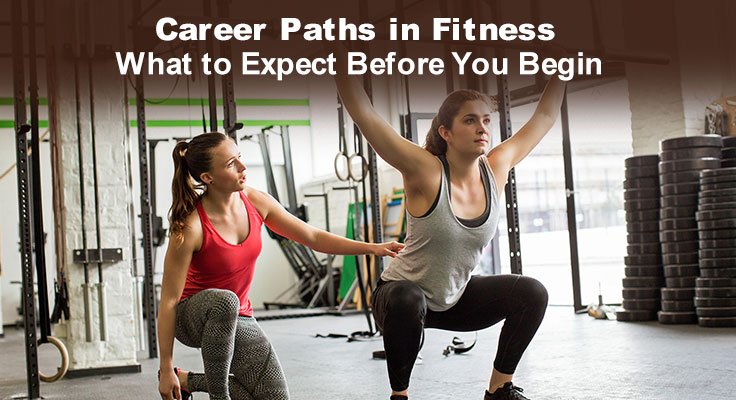
Being a personal trainer is exciting. I help clients reach their fitness goals. This role requires knowledge of exercise science and client management. I create workout plans that match each person’s needs.
Each session is different, keeping things fresh for both me and my clients.
Certification programs are key to becoming a trainer. These programs teach important skills, like how to motivate others and spot bad form during workouts. The flexibility in scheduling allows me to work with people at various times, fitting their lives better.
The joy comes when clients hit their targets—it feels rewarding to be part of their journey!
Strength and Conditioning Coach
A strength and conditioning coach helps athletes improve their game. This role focuses on strength, speed, and endurance training. I create workout plans that build muscle and boost performance. Each program is unique to the athlete’s needs.
Coaches work in schools, gyms, and sports teams. They assess an athlete’s skills, then design exercises for growth. Knowledge of exercise science is key here. Many coaches also hold certifications to show their expertise in fitness coaching or personal training.
Group Fitness Instructor
Being a group fitness instructor is fun and rewarding. I lead classes for people who want to get fit together. It can be anything from yoga to high-intensity workouts. The energy in the room makes each session exciting.
In this job, I motivate others as they move through exercises. I create a friendly environment where everyone feels welcome. Each class brings new faces and challenges. Understanding different fitness levels is key to my success in helping participants achieve their goals.
A certification program can help me learn more about safe practices and effective teaching methods too!
Online Fitness Coach
I enjoy being an online fitness coach. This career allows me to help clients all over the world without needing a gym. I create workout plans and provide guidance through videos or apps, which makes it easy for my clients to stay on track.
Many people look for flexibility in their fitness journeys today. As an online coach, I can reach those who may not have access to traditional gyms or trainers. Personalization is key; each plan must suit individual needs and goals.
Sharing tips about nutrition also plays a big role in helping my clients succeed.
Next, I’ll discuss education and certifications that are important in this field.
Education and Certifications
Education and certifications matter in fitness careers. They show your skills and knowledge, which helps you stand out to clients and employers.
Accredited Certifications
Accredited certifications matter in the fitness industry. They show clients that I have met certain standards.
- ACE (American Council on Exercise) is well-known. It offers certifications for personal trainers and group fitness instructors.
- NASM (National Academy of Sports Medicine) focuses on training for personal trainers. Their programs include specializations like corrective exercise.
- ACSM (American College of Sports Medicine) provides certifications for health and wellness coaching. This helps in working with diverse client needs.
- NSCA (National Strength and Conditioning Association) specializes in strength training. Its certifications target strength and conditioning coaches.
- ISSA (International Sport Sciences Association) allows flexibility with online courses. Many choose it for convenience while balancing other commitments.
These certified programs help me stand out in my fitness coaching career. They open up job opportunities and enhance professional growth, too!
Specialized Certifications
Specialized certifications can set me apart in the fitness industry. They show my commitment and knowledge in specific areas.
- Nutrition Specialist: This certification teaches how to guide clients on healthy eating. It helps me create meal plans that match their fitness goals.
- Strength and Conditioning Coach: This program focuses on building strength and endurance. It gives me skills to train athletes for better performance.
- Group Fitness Instructor: I learn to lead classes like Zumba or spin. This certification helps in managing large groups while keeping them motivated.
- Yoga Instructor: This teaches me about poses, breathing, and relaxation techniques. It allows me to help clients improve flexibility and reduce stress.
- Pilates Instructor: Focused on core strength and stability, this certification adds variety to my training sessions. Clients benefit from improved posture and balance. Clients benefit from improved posture and balance, which is why knowing how to become a Pilates instructor is an important step for anyone pursuing this career path.
- Senior Fitness Specialist: This program trains me to work with older adults. I learn safe exercises designed for their needs, promoting health as they age.
- Youth Exercise Specialist: I gain the skills to train kids effectively and safely. This helps build a strong foundation for their future fitness journey.
- Medical Exercise Specialist: Working with clients who have medical conditions is crucial here. This program teaches safe exercise methods while considering health issues.
Gaining these specialized certifications boosts my credibility as a fitness coach or trainer, opening more job opportunities in this dynamic field.
Gaining Hands-On Experience
Getting real-world experience is key in the fitness field. I found internships and entry-level jobs to be great ways to learn and grow my skills.
Internships
Internships offer great chances to learn in the fitness industry. They help me gain practical experience and build my skills.
- I can find opportunities at gyms, wellness centers, or studios. These places often have programs for interns.
- Working as an intern lets me observe experienced trainers and coaches. I learn tips and tricks that I can use later.
- Meeting clients during internships is key. It helps me practice communication and client management skills.
- Internships also allow me to work with different age groups and fitness levels. This broad experience is valuable for my future career.
- Networking happens naturally during internships. I meet other professionals who can help me grow in my fitness career.
- Some internships might lead to jobs after they end. Impressing employers during my internship could lead to a full-time position later on.
- Often, internships are unpaid at first but may offer other benefits like free gym access or training sessions.
- Tracking hours worked during an internship looks good on resumes later on; it shows commitment to personal training or fitness coaching.
Taking part in an internship is vital for anyone looking to start a career in fitness coaching or personal training!
Entry-Level Positions
Entry-level positions in fitness can be a great way to start my career. They help me gain real-world experience and build essential skills.
- A gym assistant helps with daily tasks, like setting up equipment and greeting clients. This role often provides insight into how a gym operates.
- Working as a personal training intern allows me to observe experienced trainers. I can learn from them while assisting clients during workouts.
- A group fitness instructor position can also be an entry point. Teaching classes lets me share my passion for fitness and connect with people.
- I can become a wellness coach at a community center, guiding clients on healthy habits. This job focuses on comprehensive health, not just exercise.
- Taking on roles as sales associates at gyms helps me understand the business side of fitness. Selling memberships enhances my communication skills and client interaction.
- As an online fitness coach, I create workout plans for clients remotely. This option allows flexibility while still helping others achieve their goals.
Each of these entry-level positions offers valuable skills and experience in the fitness industry. They prepare me for further growth in my career journey.
Developing Business Skills
Building business skills is key in the fitness world. I have learned that managing clients is just as important as training them. Knowing how to market services can help attract new clients.
Social media, for example, is a powerful tool. It allows me to connect with people and share my journey.
Financial skills also matter. Keeping track of income and expenses helps me run my fitness business smoothly. Understanding pricing for services can improve profits too. Networking with other professionals opens doors for partnerships and referrals, which lead to more job opportunities in the industry.
Each step I take builds my confidence and knowledge in this field.
Networking and Mentorship
Developing business skills helps a lot, but networking and mentorship are key too. Meeting people in the fitness industry opens doors. It also provides support from those who have been there before me.
I can learn a ton by talking to experienced trainers or coaches.
Finding a mentor can really change my path. They can offer advice and feedback on my growth. Joining local groups or online communities is a great way to connect with others in fitness coaching.
Attending events, workshops, or fitness expos helps me meet new people too. Building these relationships keeps me informed about job opportunities as well as trends in health and wellness.
Staying Updated with Industry Trends
I need to stay connected with the fitness industry. Trends change fast. New methods and ideas can pop up at any time. Following online blogs, podcasts, and social media helps me learn what’s hot in fitness coaching.
Attending workshops or conferences is a great way to gain knowledge too. These events allow me to meet other professionals and share insights. Keeping fingers on the pulse of health and wellness trends keeps my skills sharp for personal training or group fitness instruction.
Staying informed means I can offer my clients fresh ideas and effective strategies every day.
Setting Long-Term Career Goals
Staying updated with industry trends helps me see the bigger picture. It shows me where I want to go in my fitness career. Setting long-term career goals is key for success. Clear goals guide my path and keep me focused.
I think about what I want to do in the future, like becoming a personal trainer or an online fitness coach. Creating steps to reach these goals makes it easier for me. Tracking progress is important, too; small achievements build confidence and keep motivation high.
Investing time in professional development will help shape my skills and expand job opportunities in the fitness industry.
Conclusion
Choosing a career in fitness can be exciting. There are many paths to explore, like personal training or online coaching. Each option offers unique chances for growth and impact. Get ready to learn, connect with others, and help people achieve their goals.
The journey may have its challenges, but the rewards are worth it!