Today’s workplaces move quickly, and employees are expected to adapt, communicate clearly, and take initiative. These expectations go beyond technical responsibilities. An increasing number of companies are investing in personal development experiences that empower staff on multiple levels. Rather than relying only on internal tools, teams are exploring outside support, from coaching to motivational sessions led by seasoned professionals. Interest in speakers who inspire and educate has grown, especially those who can energize staff while offering practical takeaways. This growing trend reflects how impactful training can be when it’s done right.
Here’s how you can empower your employees:
Training Builds More Than Just Technical Skills
Good training sharpens practical skills. Great training goes further. It helps people think critically, manage challenges, and work better with others. Employees who participate in training that develops problem-solving and communication skills grow faster in their roles. They also gain the ability to respond with clarity when situations change. These soft skills are often what separate a confident, proactive team member from one who just follows instructions. Training becomes a tool for encouraging independence and long-term potential.
How Expert-Led Sessions Elevate Confidence
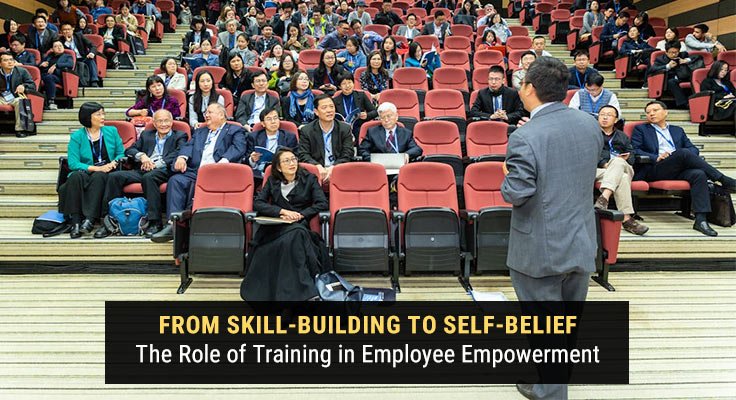
Bringing in experienced speakers can energize the learning environment. Online platforms can help connect employers with impactful speakers who specialize in real-world transformation. These aren’t just industry experts. They’re storytellers and motivators who connect with people on a personal level. Their sessions focus on topics like resilience, communication, and navigating stress, areas that directly affect how staff approach their roles. Whether speaking to a sales team, frontline staff, or new hires, these speakers offer relatable insights that stay with the audience. A top speaker booking agency can simplify the process of accessing talent with diverse expertise and backgrounds. This makes it easier for organizations to match the right speaker with the right goal. It’s not about one-time inspiration. It’s about meaningful shifts in perspective that support long-term growth.
Empowerment Starts with Clear Training Goals
Before any course or workshop begins, there should be a simple question: What should participants walk away with? Clear, realistic training goals help people know what to expect. They give direction and structure to the learning experience. This clarity helps reduce confusion and keeps both the trainer and the team aligned. When employees know how the training connects to their work, they pay attention. They feel invested in the process. A goal-focused approach also makes it easier to measure progress. Small wins build momentum and confidence over time.
Leadership Development as a Core Focus
Training programs shouldn’t wait for job titles to change before developing future leaders. It helps when people at every level have access to learning that covers decision-making, communication, and how to support others. Early leadership development encourages staff to think beyond their current responsibilities. These programs also help identify natural mentors and team players who may otherwise go unnoticed. Building leadership qualities early helps people feel ready to step up when needed, and that builds a stronger team overall.
Creating a Safe Space for Growth
Training should never feel like a test. People learn more when they’re not worried about looking foolish. That’s why it’s important to create an environment where it’s okay to make mistakes, ask questions, and try again. Whether it’s through group exercises, role-playing, or simple discussions, the goal is to help people engage without pressure. A safe learning space encourages open dialogue, which often leads to deeper insights and better collaboration. Confidence doesn’t come from getting everything right. It comes from being given room to learn without fear.
Personalized Learning Paths Work Best
Every employee brings different experiences, strengths, and gaps. A rigid training plan won’t connect with everyone. That’s where personalized learning paths make a difference. When people can choose areas to focus on or move at their own pace, they’re more likely to stay engaged. For example, one person might need help with speaking in meetings, while another wants to get better at managing priorities. Giving people control over how they learn shows trust, and trust builds confidence. It also makes it easier to apply new skills to real tasks rather than just completing exercises for the sake of it.
Role of Feedback in Building Confidence
Without regular feedback, people often guess whether they’re doing well. This creates uncertainty and slows down progress. In strong training environments, feedback isn’t saved for the end. It happens in the moment. Quick, direct comments help employees fix mistakes early and reinforce what’s working. Hearing “You handled that discussion well” or “Try this approach next time” goes a long way. When people feel seen and supported, they become more confident in their abilities. Over time, this shapes how they communicate, manage tasks, and contribute to team efforts.
Technology Makes Training Accessible
Online platforms have expanded what’s possible in training. Virtual sessions, short video modules, and mobile apps now make learning easier to fit into daily routines. This is especially useful for remote teams or those working across different time zones. On-demand training lets people pause, rewind, or revisit key lessons at their own pace. It also opens the door to more interactive features like quizzes, group chats, and live Q&As. These tools don’t just support learning. They help people feel included, no matter where they work. When designed well, digital options can deliver quality without losing connection.
Managers Must Support Ongoing Learning
A training program doesn’t stand on its own. Managers play a big part in helping lessons stick. When they talk about what was learned, ask questions, or give team members chances to apply new ideas, it shows that learning matters. Simple check-ins like “What did you take away from that workshop?” or “Want to try leading the next project meeting?” help people practise what they’ve gained. This also shows the team that learning is part of the everyday routine—not a separate task. When employees see their manager value growth, they’re more likely to stay committed to it.
Training can be one of the most effective ways to help employees grow—not just in ability, but in belief. A strong program supports skill-building while creating space for people to reflect, try, and improve. It helps staff move from doing tasks to making real contributions. Whether through peer feedback, speaker-led sessions, or flexible learning tools, the goal remains the same: give people the tools to trust themselves, take initiative, and thrive in their roles. When learning becomes part of the workplace rhythm, teams don’t just improve, but they evolve.
Also Read: From Classroom to Boardroom: Business Skills Every Student Needs