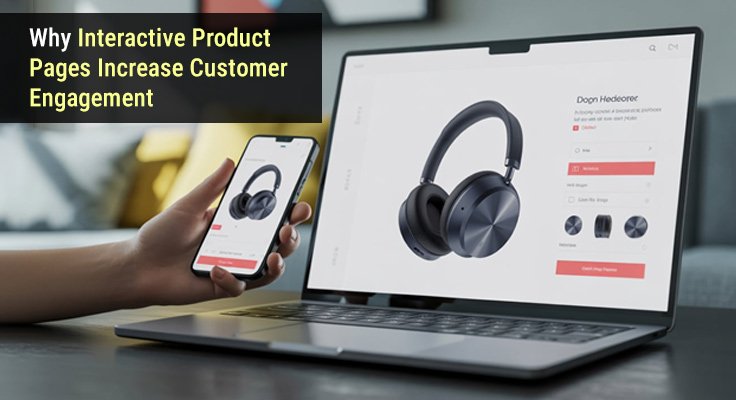
Online shopping has changed. You don’t just want pictures or descriptions. You want to see the product from every angle. You want to zoom in. You want to customize it. Interactive product pages let you do all that.
The more you explore, the more confident you feel. Interactivity gives you control. It builds trust. It keeps you coming back. A page that responds to you is no longer optional. You need it to make a smart choice.
Shopping becomes an experience. You can see how a product works. You can see how it fits. You can see how it looks in real life. That kind of interaction removes doubt. It keeps you satisfied. It makes hitting “buy” easier.
What is Interactive Product Pages
Interactive product pages let you explore products in detail. You can rotate an item and zoom in on details. Also, you can watch animations, view videos, or even try it in AR or VR. Some pages let you customize colors, sizes, or features and see the changes in real time.
Static pages only show one angle and a fixed description. Interactive pages let you take action. You get to engage directly with the product. That makes the experience more real, more informative, and more exciting.
Brands know how to do this well. You may see, Nike lets you design shoes with your choice of color, material, and style. IKEA’s AR tools show how furniture fits in your own space. Apple offers 360-degree views and detailed video demonstrations. These pages don’t just look good. They make it easier to understand the product and decide to buy.
Psychological Impact on Customers
Interactivity influences behavior. A user who can rotate, zoom, or personalize a product feels more in control. Control increases satisfaction. People trust what they can explore themselves.
Transparency matters. Showing every angle of a product, inside and out, reduces doubts. Customers feel confident in what they are buying. This reduces returns and increases loyalty.
Customization creates a personal connection. A shirt in the exact color and size the user selects feels unique. This emotional link increases the likelihood of purchase.
Animations play a key role. Using 3D animation services, brands can show how products function or fit. Customers can see movement, operation, and detail in ways that still images cannot. 3D animations make products real in the digital space.
Key Elements Driving Engagement
Visual interactivity is the backbone. 360-degree product views allow full examination from every angle. Hover effects and zoom features let users focus on small details. Adding 3D product animation services highlights functionality and quality dynamically.
Videos are crucial. Demonstrations show the product in use and answer questions that text cannot. Tutorials explain operation, fit, or setup, which builds confidence. Showing real-life contexts helps customers imagine owning the product.
Customization tools are highly engaging. Users can pick color, size, and features in real time. Live previews let them see the final product before buying. This reduces uncertainty and creates a sense of ownership.
Benefits for E-Commerce Businesses
Interactive pages drive longer engagement. A user who spends more time exploring is more likely to purchase. Pages that let customers interact directly reduce return rates by giving a realistic sense of the product.
Conversions increase. Users who engage deeply understand the product better. They buy with confidence, and sales rise.
Loyalty grows naturally. Customers who have a positive, hands-on experience are more likely to return.
Challenges and Best Practices
Interactive pages require attention to technical details. Heavy content can slow page load times. Mobile optimization is critical as most users shop on phones.
Usability must come first. Interactivity should be intuitive. Complex features can frustrate customers rather than engage them.
Designers should focus on clean layouts, clear instructions, and responsive features. Test pages across devices and browsers. Use interactive elements purposefully, not just for decoration. The best pages inform, entertain, and guide users toward purchase.
Conclusion
Interactive product pages change how you shop online. They turn browsing into active engagement. You feel in control, trust the product, and connect with it.
For businesses, these pages boost engagement, cut down returns, and increase sales. They build loyalty and bring customers back. The future of online shopping will rely on these immersive experiences. Brands that use them now get ahead.
3D animation services and augmented reality are more than upgrades. They are essential to meet your expectations. Interactive pages close the gap between curiosity and purchase. They make shopping real, confident, and enjoyable.
Also Read: How Product Information Management (PIM) Drives Digital Transformation for Businesses in the USc