US facilities need to keep production moving while protecting workers and maintaining aging equipment. That balance becomes harder when a small mechanical problem can interrupt an entire operation. A motor that overheats or a conveyor that runs at the wrong speed can create delays long before someone notices the cause. Effective control systems give your team a clearer picture of equipment conditions and help people respond sooner. When you combine reliable technology with practical operating procedures, you can make everyday facility management safer and easier to maintain.
The Foundation of an Effective Control System
A strong control system starts with understanding how your facility operates. Map each important process, identify critical equipment, and establish the conditions that workers need to track. Modern industrial controls connect equipment such as sensors, programmable logic controllers, and operator interfaces. For example, a temperature sensor can alert a controller when a motor runs too hot, allowing the system to adjust cooling or warn an operator. This approach helps your team address abnormal conditions before equipment suffers damage.
Improving Workplace Safety
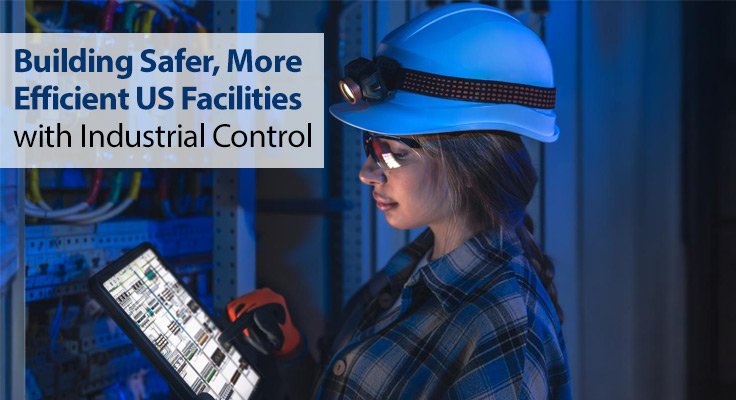
Control systems can help employees spend less time around moving machinery, electrical equipment, extreme temperatures, and other hazards. Sensors allow operators to check equipment conditions from a safer location while automated functions handle routine adjustments. For instance, technicians can monitor motor temperature and vibration from a control station instead of approaching running machinery for every inspection. If readings move beyond defined limits, staff can investigate under controlled conditions.
Monitoring Critical Processes
Continuous monitoring can reveal gradual changes that workers might miss. Your control system can track pressure, temperature, flow, speed, and equipment status throughout each shift. Historical information makes those readings more useful. A pump that slowly loses pressure over several weeks may have a blockage or worn component. Spotting that pattern gives your maintenance team time to investigate and schedule repairs rather than reacting after production stops. Regularly compare current readings with established operating ranges and investigate unusual trends early.
Compliance and Risk Reduction
Accurate operating records can also support regulatory compliance and internal risk management. Automated systems collect data consistently, reducing your reliance on handwritten records. A food-processing facility, for example, may need evidence that equipment maintained required temperatures. Digital records can make that information easier to retrieve during an inspection. Your procedures should still define who reviews the data, how staff respond to deviations, and how long you retain records.
Preparing Facilities for Future Demands
Production volumes shift, and new technology creates different requirements. A flexible control architecture makes those transitions easier. Standard communication protocols and clear documentation can help technicians connect replacement equipment without redesigning the entire system. Planning additional capacity for sensors and data storage can also reduce disruption during later upgrades.
Turning Better Information into Better Decisions
Control technology delivers the most value when it improves everyday decisions. Your operators need information they can understand, while maintenance teams need enough context to identify developing problems.
As you upgrade your facility, consider how every sensor, alarm, and interface will affect the people using it. A well-positioned sensor might help a technician identify a failing component days earlier, while a clear alarm can prevent an operator from wasting valuable minutes finding the source of a problem. Those practical improvements can help your facility adapt while keeping safety and reliability central to daily operations.