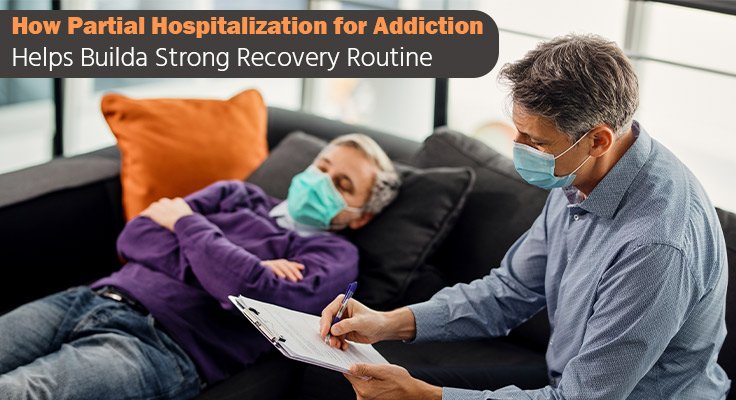
Recovery from addiction often requires more than determination. Structure, guidance, and daily accountability shape long-term success. Many people seek a path that offers strong clinical support while still allowing time at home. This balance creates a sense of normalcy without loss of professional care.
A partial hospitalization program provides that middle ground. It offers intensive treatment during the day while patients return home at night. This article explores how such a program helps create a reliable routine, supports emotional stability, and encourages long-term recovery habits.
A Clear Daily Structure Creates Stability
A predictable schedule plays a key role in recovery. Each day follows a set plan that includes therapy sessions, educational groups, and wellness activities. This steady rhythm replaces chaotic patterns that addiction often brings. Routine helps reduce uncertainty. A person knows what comes next and can prepare mentally. This consistency builds discipline and reduces impulsive choices. Over time, daily structure becomes second nature, which supports lasting change even after treatment ends.
Therapeutic Support Strengthens Healthy Habits
Professional care remains central to recovery. Regular sessions with therapists allow deep work on emotional triggers, past trauma, and thought patterns. Group therapy offers shared insight and a sense of connection. Education also plays a vital role. Clients learn coping skills, relapse prevention strategies, and stress management tools. These skills become part of daily life, not just concepts discussed in therapy. Strong habits form through repetition and guidance, which leads to greater confidence outside treatment hours.
Balance Between Care and Independence
Full-time residential care can feel restrictive for some individuals. On the other hand, minimal outpatient support may lack enough structure. A balanced approach allows treatment during the day while home life continues in the evening. This setup gives space to apply new skills in real situations. Challenges may arise at home, yet support remains available the next day. This cycle of practice and feedback strengthens recovery habits. Independence grows without loss of professional guidance.
Peer Interaction Builds Accountability
Connection with others in recovery creates a strong support network. Group sessions allow honest conversations about struggles and progress. This shared experience reduces isolation and builds trust. Accountability plays a major role. Peers notice changes in behavior and offer encouragement. Positive reinforcement helps maintain motivation. Over time, these relationships foster a sense of responsibility toward both personal goals and group success.
Focus on Whole-Person Wellness
Recovery involves more than substance use. Emotional health, physical well-being, and mental clarity all matter. Programs often include fitness sessions, mindfulness exercises, and nutrition education. A well-rounded approach supports balance in daily life. Healthy routines replace harmful habits. Sleep patterns improve, stress levels decrease, and focus returns. These changes contribute to a stronger foundation for long-term success.
Preparation for Life After Treatment
Transition to everyday life can feel overwhelming without preparation. A partial hospitalization program helps ease this shift. Clients practice real-world skills while still under professional supervision. Relapse prevention plans receive careful attention. Each person develops strategies that fit personal needs and circumstances. Support systems outside treatment become part of the plan, which ensures continuity of care. Confidence grows through experience. As routine strengthens, daily life feels more manageable. This preparation reduces fear and increases readiness for independent living.
A strong recovery routine requires structure, guidance, and consistent support. Day treatment programs offer a balanced path that blends professional care with personal independence. Clear schedules, therapeutic insight, and peer connection create a solid framework for change. Over time, healthy habits replace old patterns. Emotional stability improves, and confidence returns. With the right approach, recovery becomes more than a goal. It becomes a sustainable way of life that supports long-term well-being.