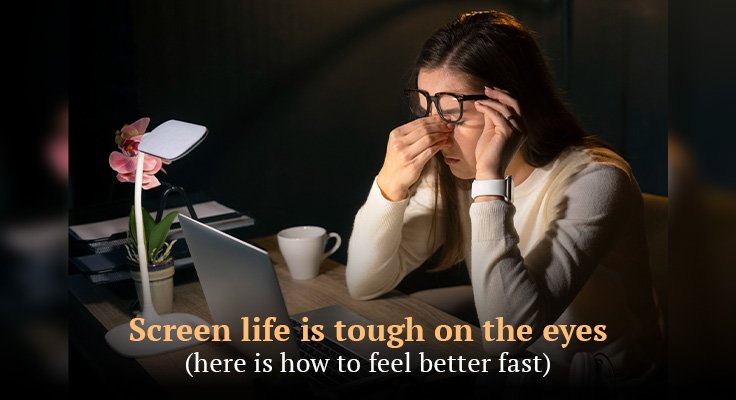
Ophthalmology clinics see a modern pattern repeating itself. Patients show up with burning, fluctuating vision, and end-of-day fatigue that feels like an unavoidable side effect of work. In regular cases of doctors practicing in the Southwest Florida area, people who search for an eye doctor in Cape Coral often do so because artificial tears are no longer enough, and they want a plan that matches real life.
Ophthalmology treats dry eye disease as a real medical condition with measurable features, and also treats digital habits as a modifiable risk factor, not a moral failing.
“Frantz EyeCare approaches ophthalmology by pairing clinical diagnosis with practical comfort strategies that help patients live and work with less eye strain,” says Jonathan M. Frantz, MD, FACS. [1]
Dry eye is not just “getting older”
An experienced ophthalmologist recognizes that dry eye symptoms occur across age groups. The research has linked digital screen exposure with dry eye symptoms, especially in people with long daily screen time. The evidence shows associations between longer digital screen use and symptomatic dry eye, and it describes multiple studies connecting higher screen hours with greater symptom burden. [2]
The doctor also recognizes that symptoms and signs do not always match perfectly, which is why examination matters, and confirms whether the tear film, eyelid margins, and ocular surface show changes that require targeted treatment.
Dry eye is common, but being miserable is optional.
The habits that quietly drain your comfort every day
Ophthalmologists point to blinking changes during concentrated screen tasks. The sustained focus can reduce blink frequency and increase evaporation, which can trigger symptoms. Also, the hydration patterns, air conditioning, and contact lens wear can compound discomfort.
The patients should not abandon technology; instead, they should build a routine that gives the ocular surface a chance to recover.
What an ophthalmology visit can confirm in one appointment
An ophthalmologist’s evaluation clarifies whether symptoms reflect dry eye disease, allergy, meibomian gland dysfunction, contact lens intolerance, or another issue. The doctor uses examination and, in many practices, imaging or tests that assess tear film stability and ocular surface health.
Ophthalmologists also use this appointment to identify red flags, such as corneal staining patterns that suggest risk for complications, or symptoms that require a different workup.
Treatments that match your lifestyle and your schedule
The treatment can include lubricants, anti-inflammatory therapy, eyelid hygiene strategies, and device-based treatments depending on diagnosis and severity. The treatment is based on anatomy, indications, and contraindications, and it adjusts the plan based on response over time. These procedure attributes reflect a patient-centered approach because they match treatment to the person rather than forcing the person to match the treatment.
Expectations also treated as a part of treatment. The patients often feel relief when they learn that improvement can be gradual and that consistency matters more than intensity.
The best dry eye plan is the one you can actually keep doing.
What results can realistically feel like
Comfort is the functional aim. The doctor wants patients to read and work without constant blinking battles, and ophthalmology wants vision to feel stable instead of fluctuating. Even a short period of continuous computer gaming with limited hydration can increase self-reported dry eye symptoms, which reinforces how quickly symptoms can intensify in real-world behavior. [3]
An ophthalmologist also emphasizes that symptom relief does not always mean “zero symptoms forever”, but aims for fewer bad days and a clearer pattern of control.
When to stop self-treating and get a plan
Evaluation is recommended when symptoms persist, when vision fluctuates daily, when contact lenses become intolerable, or when redness and discomfort do not improve. Delaying care can allow inflammation to persist and can make later treatment slower.
Comfort is a vision outcome, not a luxury.
References:
[1] BetterVision.net. Practice technology and service statements related to ophthalmology and locations serving Cape Coral.
[2] Dove Press. “The relationship between dry eye disease and digital screen use.”
[3] Dove Press. “The effect of four hours of continuous PC gaming on dry eye symptoms.”
[4] Dove Press. Digital eye strain and dry eye symptom correlation.