The USA Leaders
March 31, 2026
Every year, more than 325 million visitors explore a park within the National Park Service system. Many travelers arrive for scenic views and outdoor recreation. Yet the mission behind America’s protected wilderness goes much deeper.
When Congress created the National Park Service in 1916, the agency received a clear mandate. It had to conserve wildlife, landscapes, and natural resources across National Parks in the US for future generations.
Today, the National Park System functions as a network of biological vaults. These lands protect endangered species, preserve genetic diversity, filter freshwater, and store carbon that would otherwise intensify climate change.
Note: Data referenced in this blog comes from biological inventories, ecosystem assessments, and environmental impact reports published by the National Park Service and other peer-reviewed research institutions.
Quick Ecological Snapshot of Key Parks
| No. | Park | Primary Ecological Role | Key Species Protected |
| 1. | Yellowstone National Park | Trophic cascade restoration | Gray wolf, grizzly bear, American bison |
| 2. | Great Smoky Mountains National Park | Appalachian biodiversity preservation | Salamanders, black bear |
| 3. | Everglades National Park | Wetland water filtration | Florida panther, American crocodile |
| 4. | Olympic National Park | Temperate rainforest resilience | Roosevelt elk, Olympic marmot |
| 5. | Grand Canyon National Park | Riparian ecosystem protection | California condor |
| 6. | Sequoia National Park | Ancient carbon storage | Sierra Nevada bighorn sheep |
| 7. | Glacier National Park | Cryosphere and glacier monitoring | Canada lynx, mountain goat |
| 8. | Denali National Park and Preserve | Arctic ecosystem preservation | Grizzly bear, caribou |
| 9. | Channel Islands National Park | Island biodiversity refuge | Island fox, California sea lion |
| 10. | Redwood National and State Parks | Old-growth carbon storage | Northern spotted owl, Roosevelt elk |
These examples highlight how different units within the National Park System support biodiversity, climate stability, and water security across the United States.
Top 10 Most Important National Parks in the US
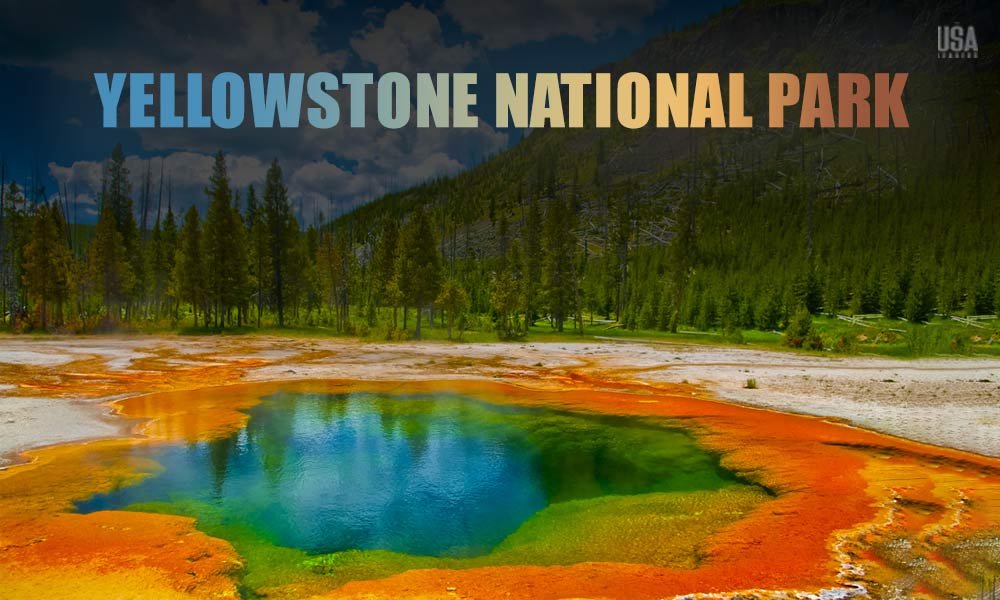
- Yellowstone National Park – The Trophic Cascade Model
What it preserves
- About 2.2 million acres of protected ecosystem
- One of the last intact temperate ecosystems in the Northern Hemisphere
Wildlife safeguarded
- About 700 grizzly bears
- Approximately 100 gray wolves (within park boundaries)
- Nearly 5,500 wild bison
Ecological value
The reintroduction of wolves in 1995 restored predator balance. Elk numbers declined. Riverbank vegetation recovered. Beaver populations increased. This chain reaction represents one of the most famous trophic cascade studies in ecology.
Human benefit
Researchers from universities and federal agencies use the park as a long-term wildlife management laboratory.
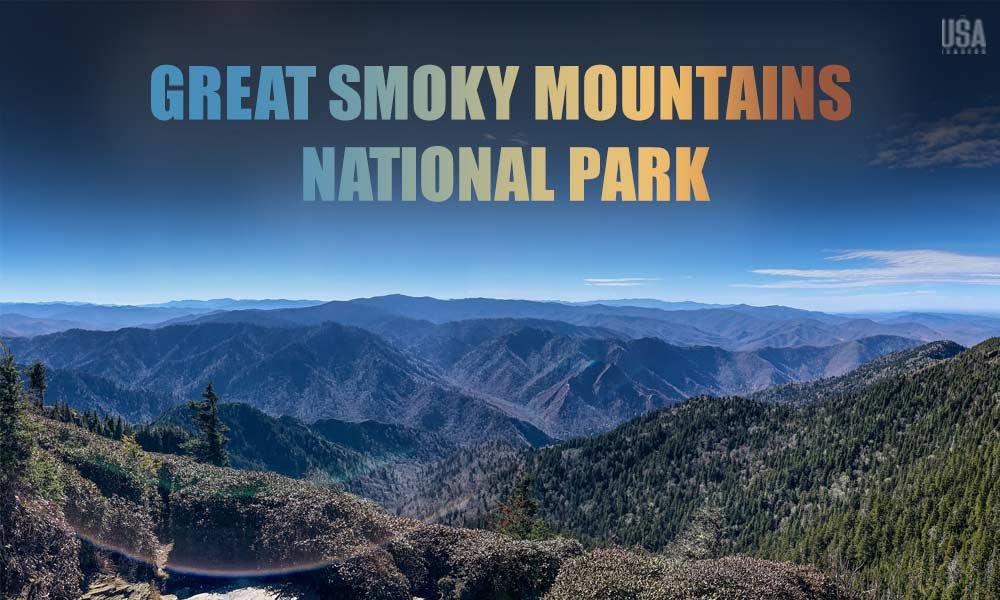
- Great Smoky Mountains National Park – The Biodiversity Vault
What it preserves
- More than 522,000 acres of Appalachian forest
- One of the largest old-growth deciduous forests in North America
Wildlife safeguarded
- Over 22,800 documented species
- About 30 salamander species
Ecological value
Scientists estimate that up to 80,000 species may exist here. That number makes this landscape the most biologically diverse location managed by the National Park Service.
Human benefit
Forest ecosystems act as large carbon sinks and filter freshwater that flows into the Tennessee River watershed.
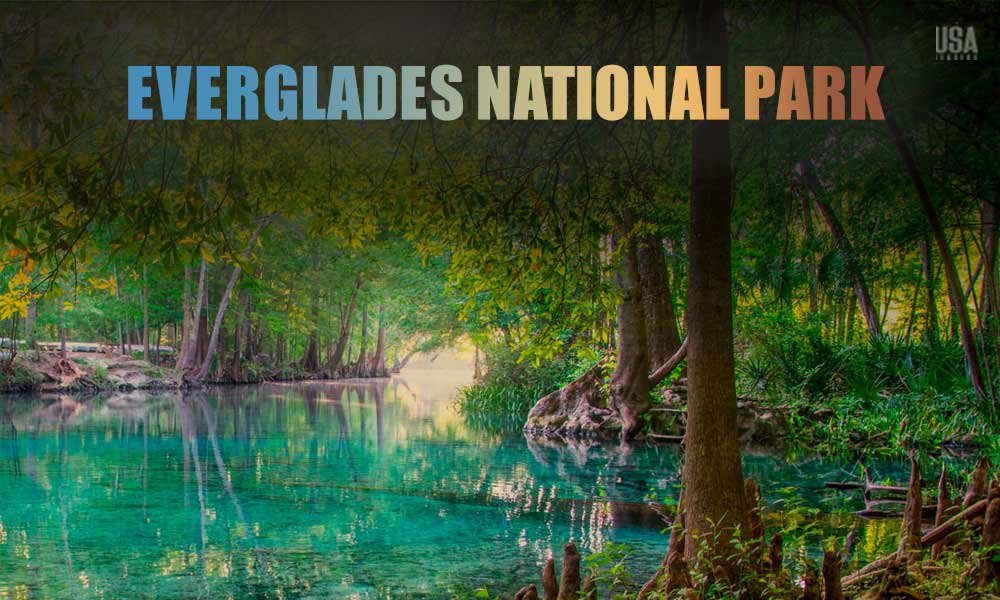
- Everglades National Park – The Biological Filter
What it preserves
- Nearly 1.5 million acres of wetlands and mangrove habitat
Wildlife safeguarded
- Between 120 and 230 Florida panthers
- Over 2,000 adult American crocodiles
- Hundreds of migratory bird species (Over 360 documented bird species)
Ecological value
The Everglades functions as a slow-moving river that regulates freshwater flow across southern Florida.
Human benefit
Wetlands recharge the Floridan Aquifer, which supplies drinking water to nearly 10 million residents. The marsh system also absorbs storm surge during hurricanes, reducing flood damage across South Florida communities.
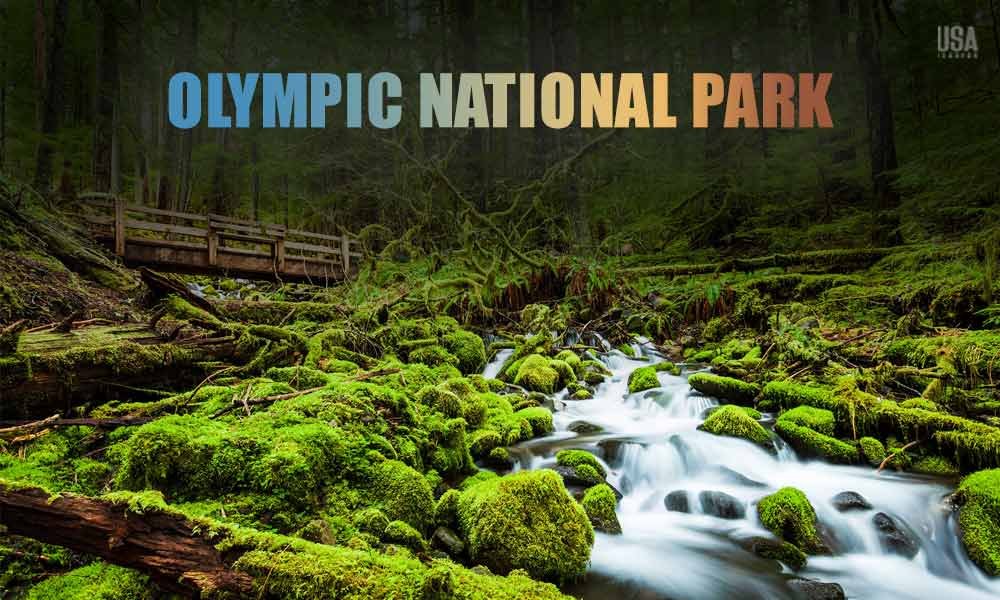
- Olympic National Park – The Three Ecosystem Sanctuary
What it preserves
- About 922,000 acres of wilderness
- Three ecosystems: alpine peaks, temperate rainforest, and Pacific coastline
Wildlife safeguarded
- Around 5,000 Roosevelt elk
- The Olympic marmot, a species found only in this region
Ecological value
- Habitat for all five species of Pacific salmon.
- Site of the world’s largest dam removal (Elwha River), which restored over 70 miles of spawning habitat
Human benefit
Old-growth forests improve air quality and provide measurable mental health benefits linked to nature exposure.
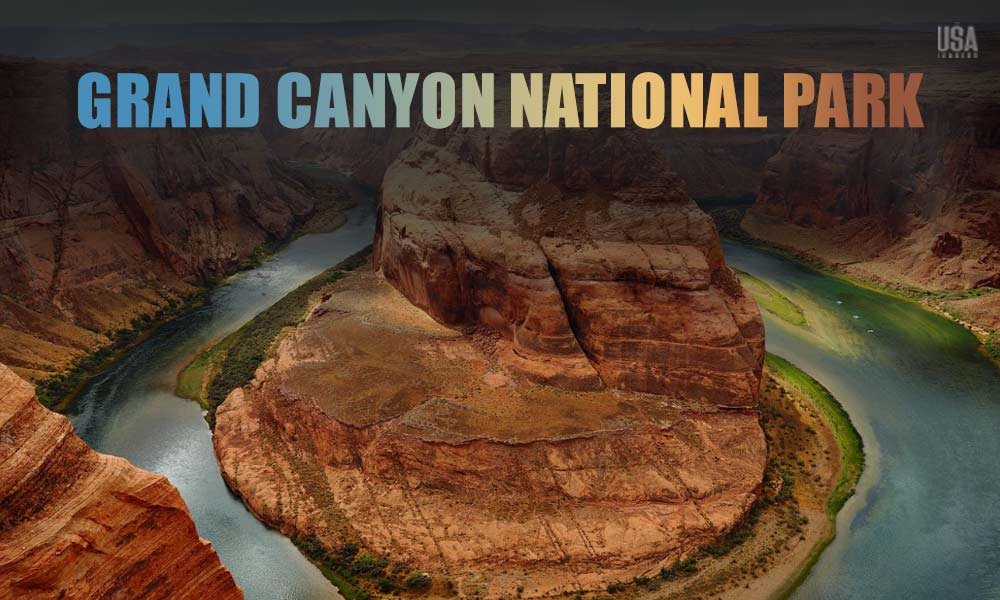
- Grand Canyon National Park – Geological and Ecological Archive
What it preserves
- Nearly 1.2 million acres of canyon habitat
- Geological layers representing 2 billion years of Earth’s history
Wildlife safeguarded
- Over 370 documented bird species, including the largest North American land bird, the California condor
- Unique desert dwellers like the Grand Canyon pink rattlesnake, which are found nowhere else.
Ecological value
Preserves 277 miles of the Colorado River, serving as a vital migration corridor and a “riparian oasis” for 150 threatened species.
Human benefit
- Acts as an “Economic Engine” for the region, contributing $1.1 billion annually to local economies.
- Provides a critical outdoor laboratory for geologists and climate scientists to study long-term environmental change.
- Sequoia National Park – The Ancient Carbon Reservoir
What it preserves
- Over 404,000 acres of rugged Sierra Nevada terrain.
- Ancient groves with individual trees exceeding 3,200 years in age.
Wildlife safeguarded
- The endangered Sierra Nevada bighorn sheep, which roam the park’s alpine peaks.
- A healthy population of American black bears that relies on the montane forests for foraging.
Ecological value
- Home to the General Sherman Tree, the largest living organism by volume on the planet ($1,486m3).
- Protects the Mount Whitney summit, the highest point in the contiguous United States at 14,505 feet.
Human benefit
- Functions as a “Hyper-Efficient Carbon Sink”; giant sequoia groves can capture up to 10x more CO₂ per acre than standard temperate woodlands.
- Preserves the natural water towers of the Sierra Nevada, regulating the flow of snowmelt into the Central Valley.
- Glacier National Park – Climate Monitoring Ground
What it preserves
- Over 1 million acres of glacial-carved terrain.
- 26 active glaciers that serve as the primary indicators of global cryosphere health.
Wildlife safeguarded
- One of the highest densities of grizzly bears in the contiguous U.S.
- High-alpine specialists like the mountain goat and the federally threatened Canada lynx.
Ecological value
- Protects the “Crown of the Continent,” a hydrological apex where water sheds to three different oceans.
- Acts as a global benchmark for studying phenological shifts (changes in the timing of seasonal biological events).
Human benefit
- Ensures water security for the Pacific Northwest and the Great Plains by regulating the release of seasonal meltwater.
- Contributes significantly to the regional economy, with tourism and research activities supporting thousands of jobs in Montana.
- Denali National Park and Preserve – The Arctic Wildlife Refuge
What it preserves
- Over 6 million acres of high-latitude wilderness.
- The highest peak in North America and its surrounding subarctic ecosystems.
Wildlife safeguarded
- A stable population of roughly 300-350 interior grizzly bears.
- The Denali Caribou Herd (approx. 2,000 members) is the largest in North America and is protected from hunting.
Ecological value
- Serves as a “Continental Migration Hub” for birds traveling from all seven continents to breed in the tundra.
- Protects an intact, non-managed ecosystem where natural cycles of wildfire and predator-prey interaction occur without human interference.
Human benefit
- Functions as a “Permafrost Sentinel,” providing critical data on how thawing ground affects global carbon release and infrastructure.
- Preserves the cultural heritage of dog sledding, with the only kennel of working sled dogs in a U.S. national park used for winter patrols and research.
- Channel Islands National Park – The Galápagos of North America
What it preserves
- Five unique islands and the surrounding ocean, totaling nearly 250,000 acres.
- One of the last remaining Mediterranean-type ecosystems in the world (a climate found in only five places on Earth).
Wildlife safeguarded
- More than 2,000 species, including 145 endemics like the Island Fox (once nearly extinct, now thriving).
- Vital breeding grounds for California sea lions, elephant seals, and the endangered Blue Whale.
Ecological value
- Functions as a “Biological Time Capsule” due to its isolation from the mainland for thousands of years.
- Features some of the world’s most robust giant kelp forests, which provide habitat for over 1,000 marine species.
Human benefit
- Supports regional food security by acting as a biological engine that replenishes Southern California’s commercial and recreational fisheries.
- Provides an “Unparalleled Scientific Laboratory” for studying island biogeography and the effects of ocean acidification.
- Redwood National and State Parks – The Tallest Forest Ecosystem
What it preserves
- Approximately 139,000 acres of temperate rainforest, including the world’s largest contiguous stands of ancient coast redwoods.
- 37 miles of pristine, rugged coastline.
Wildlife safeguarded
- The northern spotted owl and the marbled murrelet, both of which depend on old-growth “canopy soil” for nesting.
- Significant herds of Roosevelt elk are often seen grazing in the park’s Gold Bluffs Beach and Prairie Creek areas.
Ecological value
- Home to Hyperion, the tallest tree on Earth, at 381.3 feet.
- Acts as the world’s most dense “Carbon Vault,” storing more than double the carbon of a typical Pacific Northwest conifer forest.
Human benefit
- Functions as a “Coastal Shield,” where the sheer density of the forest stabilizes slopes and mitigates the impact of severe Pacific storms.
- Provides “Fog-to-Water” conversion, effectively mining the air for moisture to sustain regional watersheds during dry summer months.
Genetic Diversity: Nature’s Insurance Policy
National Parks in the US act as ecological refuges where wildlife populations remain stable and connected. These protected landscapes help species survive environmental change and preserve biodiversity across the continent.
- Climate adaptation
Large protected areas such as Yellowstone National Park and Denali National Park and Preserve allow wildlife to shift habitats as temperatures change. Species can move toward higher elevations or cooler areas without leaving protected land.
- Disease resistance
Genetically diverse populations have stronger resistance to disease. Large wildlife populations reduce the risk that a single pathogen could wipe out an entire species. This protection preserves the biological foundation of North American ecosystems.
Economic Ecosystem Services
Visitor spending is easy to measure. However, the hidden economy created by nature is far larger.
In 2026, economists and the National Park Service emphasized that replacing these natural services with human technology would cost enormous amounts of money.
- Carbon sequestration
Forests and wetlands in National Parks in the US store massive amounts of carbon. Landscapes such as Redwood National and State Parks and Sequoia National Park function as natural carbon banks that help reduce climate damage costs.
- Pollination
Parks located near farmland support wild pollinators such as bees and bats that contribute billions of dollars to crop yields across American farming regions. These natural pollination networks play a vital role in sustaining agriculture in the US and maintaining long-term food security.
- Water security
Many national parks protect the headwaters of major river systems and freshwater ecosystems that supply water to millions of Americans. These protected watersheds are also connected to some of the largest lakes in the USA, which serve as critical freshwater reserves for more than 300 million Americans.
System-Wide Value: 2026 Economic Snapshot
| Service Category | Estimated Annual Value | Key Example |
| Total ecosystem services | $98 billion+ | Natural water filtration, carbon storage, and soil stability |
| Direct visitor spending | $26-30 billion | Lodging, food, and transportation in gateway communities |
| Total economic output | $56 billion | Economic ripple effects from tourism and park operations |
| Jobs supported | 415,000+ | Park rangers, guides, hotel and restaurant workers |
| Carbon storage value | Billions annually | Forest carbon stored in redwood and sequoia ecosystems |
The Return on Investment of National Parks
For every $1 of taxpayer funding invested in the budget of the National Park Service, which is about $3.3 billion, the US economy receives more than $10 in direct economic activity.
When economists include ecosystem services such as flood control, clean air, and water filtration, the total value exceeds $98 billion annually.
This makes National Parks in the US one of the most valuable public assets in the federal portfolio.
Conclusion: Why the National Park System Matters to America’s Future
The real value of National Parks in the US does not appear on an entrance ticket. It exists in the oxygen Americans breathe, the rivers that supply drinking water, and the ecological stability that supports communities across the country.
Protected landscapes managed by the National Park Service safeguard wildlife, strengthen climate resilience, and support economic activity in hundreds of towns.
In the long term, preserving these ecosystems is not simply a conservation policy. It is an investment in America’s environmental security and economic future.
Neha Shekhawat