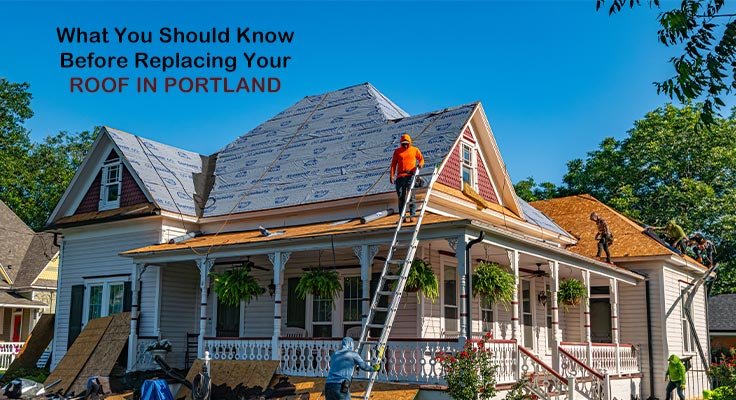
Portland’s weather has a talent for testing roofs. Long wet seasons, moss-friendly shade, wind bursts, and occasional heat waves can wear down materials faster than many homeowners expect. If you’re thinking about roof replacement in the city, you need more than a price quote and a color sample. You need a clear sense of timing, materials, code requirements, and contractor standards so you can make a smart decision without getting soaked by avoidable costs.
Portland Weather Changes the Roof Replacement Playbook
If you live in Portland, your roof deals with a lot more than rain. Moisture lingers, tree cover traps debris, and moss can spread like it pays rent. Even a roof that looks decent from the street may have soft decking, clogged valleys, or flashing issues hiding underneath.
The local climate affects replacement schedules too. Summer and early fall usually offer the best installation window, but reputable crews often book up quickly. Waiting until active leaks appear can leave you choosing from whoever is available, which is not exactly a luxury buying experience.
Portland homes also vary widely in age and style. A 1920s bungalow and a newer suburban build rarely need the same roofing approach, even when the square footage looks similar on paper.
Signs You’re Replacing Too Late, or Too Soon
Plenty of homeowners wait too long because the roof hasn’t started dripping into the living room yet. That’s a risky benchmark. By the time water reaches your ceiling, damage may already include insulation, sheathing, framing, and even electrical concerns.
Watch for warning signs such as:
– Curling, cracked, or missing shingles
– Granules collecting in gutters
– Dark streaks or moss patches that keep returning
– Sagging roof lines
– Repeated small repairs in the same area
– Water stains in the attic or near vents
At the same time, don’t assume every aging roof needs immediate replacement. A professional inspection can help you separate cosmetic wear from structural decline. In some cases, targeted repair still makes financial sense. In others, repeated patch jobs become the roofing version of putting tape on a split backpack strap.
Material Choices Matter More Than You Might Think
Roofing materials are not just about looks. They shape longevity, maintenance needs, ventilation strategy, and long-term cost. In Portland, moisture resistance and moss management deserve serious attention.
Common options include:
– Asphalt shingles: affordable, widely available, and practical for many homes
– Architectural shingles: thicker and more durable than basic three-tab shingles
– Metal roofing: long-lasting and efficient, though usually more expensive upfront
– Cedar shakes: attractive but high-maintenance in damp climates
– Composite materials: designed for durability with a range of visual styles
The cheapest bid can become expensive if the material is a poor match for your roof pitch, tree exposure, or drainage pattern. Ask about underlayment, flashing, ventilation, and manufacturer warranty terms. Those details rarely make glamorous dinner conversation, but they often decide whether your new roof performs well after the first hard winter.
What a Good Contractor Evaluation Actually Looks Like
Choosing a roofer is not only about comparing totals at the bottom of an estimate. You’re evaluating process, communication, workmanship, and risk management. In a market with steady demand, some companies run tight operations while others lean heavily on vague promises and sales pressure.
When reviewing a roofing company in Portland, pay attention to whether the scope is specific. A solid estimate should explain tear-off plans, decking replacement terms, flashing details, ventilation improvements, cleanup procedures, and timeline expectations.
You should also verify:
– Licensing and insurance
– Local project experience
– Warranty coverage for labor and materials
– How change orders are handled
– Whether subcontractors are used
– How the crew protects landscaping and access points
A contractor who answers clearly before the job starts is usually easier to work with once the old roof is off and surprises appear.
Budgeting for More Than Shingles and Labor
Roof replacement costs often rise after the first layer comes off. Rotten decking, old flashing, improper ventilation, and code-related upgrades can all add to the final bill. That does not mean a contractor is automatically inflating numbers. It means roofs hide secrets better than kitchen remodels.
A realistic budget should account for:
– Material and labor costs
– Permit fees
– Possible plywood or sheathing replacement
– Gutter adjustments
– Ventilation upgrades
– Disposal and cleanup
– Contingency funds for hidden damage
If one quote lands far below the others, inspect the details instead of celebrating too early. Low bids sometimes exclude key line items that reappear later as extras. Transparent pricing may feel less exciting at first, but it usually creates fewer financial ambushes.
Insurance can help in some storm-related cases, though age and deferred maintenance often limit coverage. Read your policy before assuming the claim fairy will handle everything.
Permits, Codes, and Neighborhood Realities You Can’t Ignore
Roof replacement is not just a private transaction between you and a contractor. Local permitting rules, inspection requirements, and building codes can affect both timeline and scope. Portland homeowners should expect legitimate roof work to reflect current standards, especially when structural elements or ventilation systems need correction.
If you live in an HOA community or a historically sensitive neighborhood, material selection may involve extra review. Color, profile, and visible design elements can matter more than you’d expect. That charming street character often comes with paperwork.
Parking, access, and disposal logistics also matter in dense Portland neighborhoods. Crews may need space for dump trailers, material delivery, and debris management. If your property sits close to neighboring homes, ask how nail cleanup, noise, and site safety will be handled.
A well-planned project respects your house, your block, and everyone’s tires.
How to Make the Replacement Last Longer After Installation
A new roof is not a one-and-done home improvement trophy. It still needs routine attention, especially in Portland’s damp environment. Good maintenance helps you protect the investment and spot issues before they become expensive.
After installation, stay on top of:
– Gutter cleaning, especially in fall
– Moss and debris removal
– Visual checks after windstorms
– Attic ventilation and moisture monitoring
– Trimming overhanging branches
– Scheduling periodic professional inspections
Keep all warranty documents, invoices, and product details in one place. If you sell the home later, organized records can reassure buyers and support property value.
The best roof replacement decisions usually come from a mix of timing, realistic budgeting, material fit, and contractor quality. If you approach the project with questions instead of guesswork, you’re far more likely to end up with a roof that handles Portland weather without constant drama. And frankly, your ceiling deserves that kind of stability.