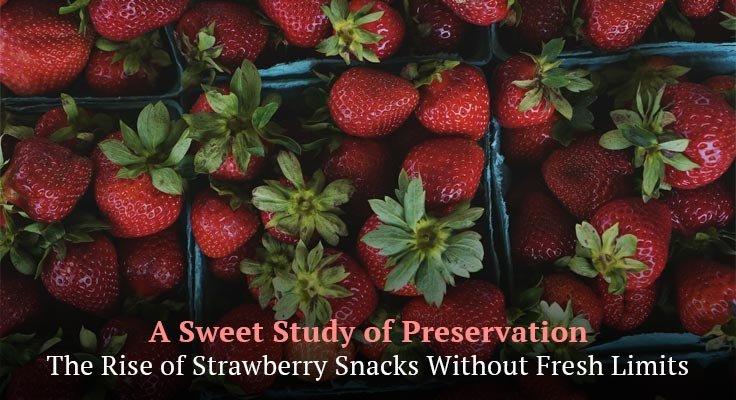
Fresh strawberries bring bright color and familiar flavor, yet they spoil fast. For decades, growers, food scientists, and home cooks searched for ways to keep that taste alive far past harvest season. One method now fills pantry shelves, lunch boxes, and hiking packs. This article explains how strawberry preservation evolved, how freeze‑drying works, and why this format draws interest from families, athletes, and researchers alike.
You will read about history, science, nutrition, and real‑life uses. Clear language and simple examples guide the way.
A Brief History of Strawberry Preservation
Strawberries rank among the most fragile fruits. Bruising, mold growth, and water loss start soon after picking. Early solutions focused on sugar and heat.
Jam and preserves appeared in Europe as early as the 1500s. Canning followed in the 19th century after glass jars and sealed lids became common. Drying also played a role, yet air‑drying often changed flavor and texture.
A major shift arrived in the 20th century. Scientists working on space food and emergency rations tested new techniques. One approach removed water without using high heat. That approach later reached grocery stores in a refined form.
What Freeze‑Drying Really Means
Freeze‑drying, also called lyophilization, removes water through a two‑step process.
- Freezing: Fresh strawberries freeze at very low temperatures. Ice crystals form inside the fruit.
- Vacuum drying: Pressure drops, and ice turns straight into vapor without turning liquid. Scientists call this sublimation.
Water leaves, yet the fruit shape stays mostly intact. Color, aroma, and nutrients remain closer to fresh fruit compared with many other methods.
How This Differs From Dehydration
Traditional dehydration uses warm air. That heat can shrink fruit and dull flavor. Freeze‑drying avoids that heat step.
The table below shows basic differences.
| Feature | Freeze‑Dried | Air‑Dried |
|---|---|---|
| Heat used | Very low | Moderate to high |
| Texture | Light, crisp | Chewy |
| Shape | Largely preserved | Often shrunken |
| Shelf life | Long | Moderate |
| Flavor strength | Strong | Milder |
Nutrition Locked in Place
Strawberries contain vitamin C, fiber, and plant compounds called polyphenols. Water removal raises nutrient density by weight. A small serving packs a strong punch.
A 2020 review in Foods reported that freeze‑dried berries retained high levels of antioxidants compared with heat‑dried samples. The absence of cooking temperatures played a large role.
Fiber stays intact as well. That supports digestion and adds satiety. Natural sugars remain, yet without added sweeteners.
How People Use Freeze‑Dried Strawberries
These berries fit many settings. Their light weight and shelf stability open options that fresh fruit cannot match.
Everyday Food Uses
- Crumbled over cereal or yogurt
- Mixed into trail snacks
- Blended into smoothies after rehydration
- Baked into muffins or cookies
Professional Kitchens
Pastry chefs value the powder form. It adds color and flavor to frostings without extra moisture. Chocolatiers use whole slices as garnishes.
Travel and Outdoor Settings
Campers and hikers rely on low weight and long storage life. Rehydration needs only water, yet many people snack on them dry.
A Closer Look at Texture and Taste
Biting into a freeze‑dried strawberry brings a quick crunch. The structure shatters, then melts on the tongue. Flavor comes across bright and focused.
This sensory effect comes from trapped air pockets left after water removal. Once saliva touches the fruit, it softens fast.
Children often enjoy the crunch, while adults appreciate the clean taste without stickiness.
Storage and Shelf Life Explained
Water allows microbes to grow. Removing it slows spoilage. Properly packaged freeze‑dried strawberries last months or even years.
Packaging matters. Oxygen absorbers and sealed pouches guard against moisture and air exposure. Once opened, storage in a dry container extends freshness.
A simple comparison helps clarify:
| Storage Type | Expected Quality Time |
|---|---|
| Fresh, refrigerated | Days |
| Frozen | Months |
| Freeze‑dried, sealed | Years |
Health Researchers Weigh In
Food scientists continue to study preserved fruit. Dr. Rachel Cheatham, a nutrition researcher, shared a clear summary in a university lecture:
“Low‑temperature preservation protects delicate plant compounds better than methods that rely on heat.”
This aligns with lab findings on vitamins and antioxidants in berries.
Dietitians also note portion awareness. Light weight can lead to fast eating. A bowl of fresh berries fills more space, yet freeze‑dried forms offer convenience.
Reading Labels With Confidence
Shoppers benefit from simple label checks. A short ingredient list signals minimal processing.
Look for:
- Strawberries listed as the only ingredient
- No added sugars or oils
- Clear storage guidance
Avoid products with artificial colors or flavors. The natural red hue should speak for itself.
A Short Case Study: School Snack Programs
One school district tested shelf‑stable fruit snacks as part of a nutrition pilot. Fresh fruit waste ran high after lunch periods. Freeze‑dried strawberries reduced waste by over 30 percent across one semester.
Students reported higher acceptance rates. Teachers noted easier storage and less cleanup. Budget analysis showed savings tied to reduced spoilage.
This example shows how preservation affects real systems beyond home kitchens.
Environmental Notes Worth Knowing
Food waste contributes to greenhouse gas emissions. Longer shelf life reduces discarded produce. Freeze‑drying uses energy, yet waste reduction offsets part of that footprint.
Transportation efficiency also improves. Lower weight cuts fuel use per serving. These factors appear in life‑cycle assessments of preserved foods.
Choosing Quality Products
Not all freeze‑dried fruit matches the same standards. Color should look natural, not brown or dull. Aroma should smell like fresh berries.
Texture offers clues. Excessive hardness can signal over‑drying. Sticky pieces suggest moisture exposure.
One example of a simple product description appears in a listing for freeze-dried strawberries, where the focus stays on the fruit itself rather than additives.
Simple Rehydration at Home
Rehydration takes minutes. Add warm or cool water until the fruit softens. Drain excess liquid.
Rehydrated berries work well in sauces or oatmeal. The soaking liquid carries flavor and color, so cooks often save it.
Closing Thoughts and Next Steps
Strawberry preservation moved far beyond sugar jars and sun racks. Freeze‑drying offers a clear blend of science and practicality. Flavor, nutrition, and storage benefits explain its growing presence in kitchens, schools, and travel packs.
Readers curious to learn more can check food science textbooks or peer‑reviewed nutrition journals. Trying a small pack at home also builds firsthand understanding.