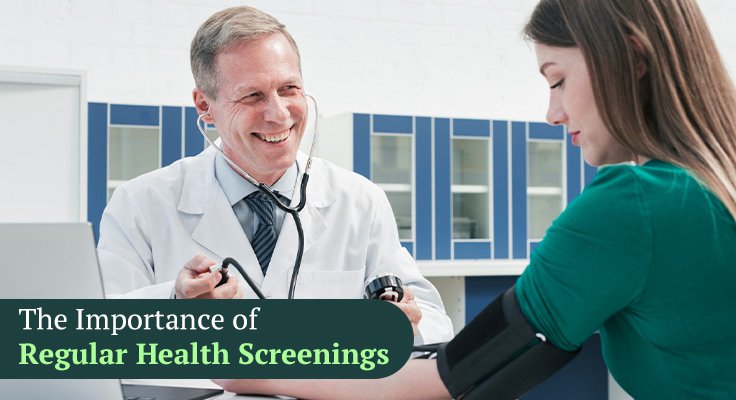
You probably service your car before the engine light turns into a full-blown crisis. You change the oil, check the tires, maybe even listen for that weird noise you swear wasn’t there last month. Your body deserves the same kind of attention, even if it feels “fine.”
That’s the core idea behind regular health screenings. They catch problems early, when they’re easier to treat, cheaper to manage, and less likely to derail your life. And they don’t just look for scary stuff like cancer. Screenings also flag the quiet issues that sneak up on busy people: high blood pressure, diabetes, high cholesterol, depression, and sleep problems that make everything harder than it needs to be.
If you’ve ever thought, “I’ll book a checkup when I have time,” you’re not alone. But here’s the thing. You rarely “have time” for health surprises. Screening is the boring, practical move that protects your future calendar.
Why screenings matter more than your willpower
A lot of people treat health like a motivation problem. If you just ate better, moved more, and slept more, you’d be set. And sure, habits matter. But habits don’t replace data.
Screenings give you facts. They tell you what’s happening under the hood. Because you can eat salads for weeks and still have high blood pressure. You can run three miles a day and still have high cholesterol due to genetics. You can feel “normal” and still be prediabetic.
Early detection is a real advantage
When a disease is caught early, the options usually widen. Treatment can be simpler. Outcomes improve. And the cost, both financial and emotional, often drops. That’s not hype, it’s logistics.
Think of screenings as risk management for your body. In business, you don’t wait for a breach to talk about security. You run audits, you patch vulnerabilities, you monitor the system. Your health works the same way.
Prevention is not dramatic, but it works
Vaccines, blood pressure checks, and routine lab work don’t feel heroic. They feel like errands. But that’s why they work. You do them when nothing is on fire.
And yes, you can over-test and over-worry, so it’s worth following evidence-based schedules. The goal isn’t constant testing. The goal is smart testing.
Your screening “baseline” in your 20s and 30s
This is the age range where people tend to skip appointments because life is loud. Career, kids, travel, deadlines, side hustles, all of it. But your 20s and 30s are exactly when you want to build a baseline. That baseline helps your clinician spot changes later.
The basics you shouldn’t skip
Most adults benefit from routine checks like:
- Blood pressure checks
- Weight and waist measurements
- Cholesterol testing based on risk
- Blood sugar testing based on risk
- Dental and vision exams
- STI screening if you’re sexually active and at risk
It’s not glamorous. It’s like backing up your laptop. You don’t appreciate it until you really, really need it.
Women’s and men’s health screenings aren’t “extra.”
Depending on your sex and medical history, you’ll also talk about reproductive and sexual health. That can include cervical cancer screening (Pap tests), HPV testing, and discussions about breast health. For men, it may include testicular concerns, sexual function, and family history that affects future screening decisions.
If you’re thinking, “I’m not old enough to worry about that,” remember that screening isn’t only about age. It’s also about risk: family history, smoking, alcohol use, weight, stress, and certain chronic conditions.
Screenings in your 40s and 50s: when risk starts to shift
A lot changes in midlife. Metabolism, hormones, sleep, stress load. Sometimes your job gets more demanding right when your body gets less forgiving. Fun timing, right?
This is when many major preventive screenings become routine.
Cancer screenings that often start here
For many people, colorectal cancer screening begins in this window. Breast cancer screening often becomes a regular topic. Cervical cancer screening schedules may adjust depending on prior results and age.
Your clinician will tailor timing based on your personal risk factors. If you have a strong family history, you may start earlier. If you have certain health conditions, you may screen more often. This is why a real relationship with a primary care provider helps. They’re not just ordering tests. They’re managing your risk profile.
Heart and metabolic checks become non-negotiable
Heart disease and type 2 diabetes don’t usually show up with a marching band. They creep in. So midlife screening often leans into:
- Blood pressure (at least annually, often more)
- Lipids (cholesterol and related markers)
- Blood glucose or A1C
- Kidney function, depending on risk
- Weight trends and lifestyle factors
If you work a desk job, travel a lot, or live on coffee and meetings, this stuff can shift faster than you expect. And no, you don’t need to feel “sick” to have a problem.
Teens and young adults: the screenings people forget
Teen health often gets reduced to sports physicals and vaccinations. Those matters, but mental health and behavioral screening matter too. Adolescence is when anxiety, depression, and substance use issues can start, sometimes quietly.
Mental health screening is part of health screening
If a teen is moody, withdrawn, or constantly “tired,” adults often call it an attitude. Sometimes it is. Sometimes it’s depression. Sometimes it’s anxiety. Sometimes it’s a mix that needs real support.
If you’re a parent or caregiver, it helps to treat mental health check-ins like you treat vision checks. If something seems off, you don’t shame the kid. You get it checked.
If you’re looking for specialized support, resources like Massachusetts Teen Mental Health Treatment can be part of the wider care landscape when a teen needs more than a simple talk and a good night’s sleep.
The “awkward” screenings are often the most useful
STI screening, substance use questions, sleep assessments, and stress evaluations can feel uncomfortable. But avoiding them doesn’t protect anyone. It just delays clarity.
A good clinician handles these topics without drama. They ask direct questions. They listen. They give practical next steps. That’s what you want.
What happens when a screening finds something
This is the part that scares people. They worry a screening will “find something” and then life changes overnight. That fear is real. But the opposite is usually worse: not finding something until it’s advanced.
A positive screen doesn’t always mean a diagnosis. It often means “let’s check further.” It might mean repeating a test, doing imaging, or adding lab work. Think of a screening like a smoke detector. It tells you there could be smoke. Then you investigate.
Behavioral health and substance use deserve the same seriousness
Sometimes screenings reveal patterns that people have normalized. Heavy drinking has become routine. Pills are used to sleep every night. Anxiety managed with alcohol. Stimulants are used to keep up with work.
And look, plenty of successful people struggle here. High performers often hide it better. But your body keeps receipts.
If you or someone you care about needs structured support, an Addiction Treatment Center can be a starting point for care that goes beyond willpower and good intentions.
When higher levels of care are necessary
For some people, outpatient support isn’t enough, especially when safety, withdrawal risk, or repeated relapse is involved. In those cases, residential care can be appropriate and stabilizing. Options like Residential Rehab in CA exist for people who need a more intensive environment to reset and rebuild.
This isn’t about labels. It’s about getting the right level of help for the problem in front of you.
Making screenings easier to stick with
You don’t need a perfect system. You need a repeatable one.
Treat it like a recurring business task
If you manage projects, you already know how this works. Put screenings on the calendar. Set reminders. Tie them to a consistent month. Some people do it around their birthday. Others do it at the start of the year. Pick a trigger you’ll actually remember.
Also, keep a simple record of your key numbers: blood pressure, cholesterol, A1C, weight trends, vaccines, and any abnormal results. It makes future visits faster and more accurate. Less guesswork, more direction.
Ask better questions at appointments
You don’t need to be a medical expert. Just be prepared.
A few questions that keep things clear:
- “Which screenings do you recommend for my age and risk?”
- “How often should i repeat this test?”
- “What would change that schedule?”
- “If this result is abnormal, what’s the next step?”
This turns your checkup into a plan, not a lecture.
The quiet payoff: fewer surprises, more control
Regular health screenings don’t guarantee a problem-free life. Nothing does. But they reduce chaos. They help you catch issues before they become emergencies. They give you leverage, and leverage matters.
And honestly, there’s a mental relief that comes with knowing you’re not ignoring your body. You’re paying attention. You’re staying in the loop. That alone can lower stress, because uncertainty is exhausting.
So if it’s been a while, schedule the appointment. Not because you’re scared, but because you’re practical. The future version of you will appreciate it.