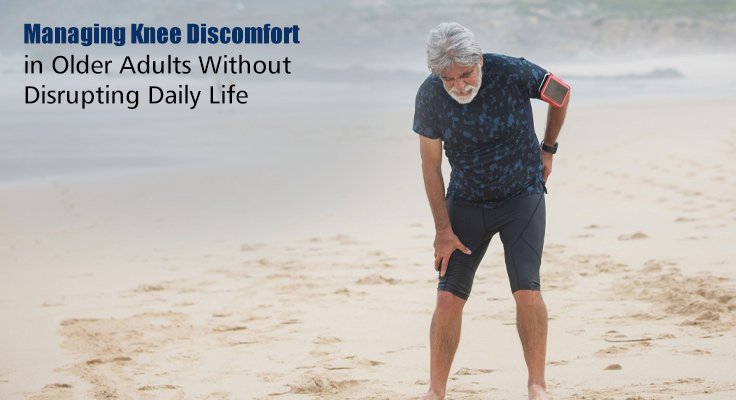
Knee discomfort is a common challenge for older adults, often affecting mobility and independence. As joints naturally wear down with age, even simple daily activities like walking, climbing stairs, or standing for extended periods can become difficult. However, managing knee pain does not always require major lifestyle disruptions or invasive treatments.
With the right combination of habits, exercises, and medical guidance, many individuals can maintain an active routine. In some cases, minimally invasive options such as genicular artery embolization (GAE) can provide meaningful relief. The GAE procedure for knees is being considered as a way to reduce inflammation and improve overall comfort. This approach can help older adults continue their daily activities with greater ease.
In this article, we’ll explore practical strategies and modern approaches to help manage knee discomfort without disrupting daily life.
Understanding the Root Causes of Knee Discomfort in Older Adults
Knee discomfort in older adults often develops from gradual joint wear, especially due to osteoarthritis and cartilage breakdown over time. Aging reduces joint flexibility and weakens surrounding muscles, making the knees more vulnerable to strain and inflammation. Previous injuries, excess body weight, and repetitive stress can further accelerate joint deterioration and discomfort.
Research highlighted by Medscape indicates that knee pain affects nearly one in five adults, leading to millions of medical visits annually. Among those aged 60 and older, 18.1% of men and 23.5% of women report knee pain on most days.
Understanding these causes helps individuals take timely steps, seek appropriate care, and adopt preventive habits that support long-term joint health.
Daily Habits That Help Reduce Knee Strain
Knee discomfort in older adults often develops from gradual joint wear, especially due to osteoarthritis and cartilage breakdown over time. Aging reduces flexibility and weakens supporting muscles, increasing strain on the knee during routine movements. Past injuries, poor posture, and excess weight can further worsen joint stress and inflammation.
Guidance from the Cleveland Clinic emphasizes that staying safe during physical activity helps prevent unnecessary strain and injuries. Using proper tools to reach objects and avoiding unstable surfaces like chairs or countertops can reduce risk. Keeping living spaces clutter-free and using support aids such as canes or walkers also helps minimize falls and protects knee health.
Gentle Exercises That Support Mobility and Strength
Maintaining mobility becomes easier when older adults include low-impact movements that gently strengthen muscles around the knee joint. Exercises recommended by PhysioEd include knee extensions, hamstring curls, and calf raises, which can be done seated or standing. These movements help build a stable foundation while reducing stress on sensitive joints.
Balance-focused activities such as single-leg stands, supported cross-steps, and controlled reach exercises can improve coordination and lower fall risk. Stretching routines like hamstring stretches and figure four poses further enhance flexibility and joint function.
Practicing these exercises consistently supports better movement, reduces stiffness, and helps older adults stay active without placing excessive strain on their knees.
Exploring Non-Surgical Options for Persistent Knee Pain
Persistent knee pain can often be managed effectively without resorting to surgery through a combination of targeted approaches. Rehabilitation exercises can build muscle support around the knee, enhance mobility, and ease stress on the joint during everyday activities.
Pain relief may also come from medications or anti-inflammatory options when guided by a healthcare professional. Additionally, healthy lifestyle changes, such as maintaining an appropriate weight and adjusting activity levels, can promote better joint function and minimize strain. Braces or assistive devices, such as canes, can add stability and improve confidence while walking.
In some cases, Pedes Orange County notes that minimally invasive treatments like genicular artery embolization can be an option. GAE procedures reduce blood flow to the knee lining to ease inflammation and pain, though they do not repair cartilage damage. Consulting a specialist is essential to determine if this option is appropriate.
Creating a Knee-Friendly Daily Routine
Establishing steady daily routines can ease pressure on the knees and enhance overall comfort. Switching between movement and rest throughout the day helps keep joints flexible while preventing excess strain and stiffness. Simple adjustments, such as sitting on supportive chairs and using handrails, can make daily movements safer and easier.
Breaking tasks into smaller steps reduces prolonged pressure on the knees during chores. Wearing comfortable footwear with proper support also helps maintain alignment and stability.
Planning movement regularly, even with short walks or stretches, keeps joints flexible. Over time, these small, mindful changes create a routine that supports mobility while minimizing discomfort in everyday life.
Long-Term Strategies for Maintaining Knee Health
Maintaining knee health over time requires a consistent and balanced approach rather than relying on a single solution. Insights from Medical News Today suggest that medications alone rarely improve outcomes for knee arthritis. Instead, combining strategies such as weight management can reduce the stress placed on the joints during movement.
Learning self-management techniques helps individuals adapt daily habits and protect their knees more effectively. Education about joint care and proper movement also supports long-term mobility. Approaches like cognitive behavioral therapy can assist in managing pain, fatigue, and emotional challenges.
Regular fitness routines and low-impact exercises further strengthen muscles, supporting stability and helping maintain joint function over time.
Frequently Asked Questions
Are alternative therapies like acupuncture helpful for knee pain?
Alternative therapies like acupuncture may help reduce knee pain for some individuals by promoting relaxation and improving circulation. While results vary, it can complement traditional treatments. However, it should not replace medical care, and consulting a healthcare professional before starting is recommended.
How can caregivers support seniors dealing with knee discomfort?
Caregivers can support seniors by encouraging gentle exercise, assisting with daily tasks, and ensuring a safe, clutter-free environment. They can help manage medications, schedule medical visits, and provide emotional support. This promotes independence while reducing strain and preventing further knee discomfort or injury.
Is it safe to continue traveling with chronic knee issues?
Traveling with chronic knee issues can be safe with proper planning and precautions. Choosing comfortable transportation, taking frequent breaks to stretch, and using supportive aids can help. Consulting a healthcare provider beforehand ensures the trip does not worsen pain or mobility problems.
Maintaining Comfort and Independence Every Day
Managing knee discomfort in older adults does not have to mean giving up an active and fulfilling lifestyle. With the right combination of daily habits, gentle exercises, and informed treatment choices, it is possible to reduce pain while maintaining independence.
Small adjustments in routine, along with proactive care and medical guidance, can make a significant difference over time. Exploring both traditional and modern approaches ensures individuals find what works best for their needs. By staying consistent and attentive to joint health, older adults can continue enjoying their daily activities with greater comfort, confidence, and ease.