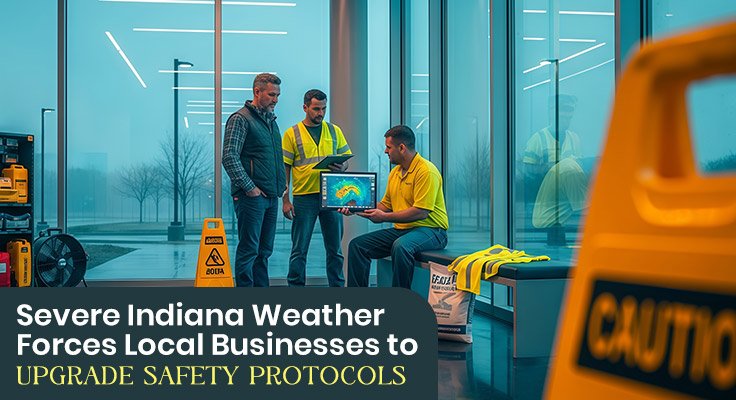
Indiana business leaders face a new reality where severe weather is no longer a seasonal nuisance but a persistent threat to public safety and financial stability. From torrential downpours that create dangerously slick entryways to sudden freezes that turn parking lots into ice rinks, the frequency of these events is forcing a reevaluation of standard safety procedures. As state officials emphasize readiness during initiatives like Severe Weather Preparedness Week, the spotlight is intensifying on how businesses protect their patrons and employees from weather-related hazards.
The operational and financial risks created by these conditions are significant, leading to a noticeable spike in weather-related accidents on commercial properties. In response, forward-thinking Indiana businesses are moving beyond basic precautions to implement comprehensive safety overhauls. This analysis explores the critical link between public safety, proactive corporate risk management, and the legal duty of care that every property owner must uphold.
The Rising Tide of Weather-Related Risks for Indiana Businesses
For many Indiana enterprises, failing to adapt to increasingly harsh weather patterns carries substantial consequences beyond inconvenient closures. Inaction translates directly into heightened liability and financial vulnerability, creating a compelling case for investing in upgraded safety protocols.
The Unseen Costs of Negligence
The most immediate dangers stem from common environmental conditions: water tracked indoors, flooded entryways, and untreated ice on sidewalks and parking lots. While these may seem like minor issues, they are a primary cause of slip and fall accidents, which carry staggering financial weight. Nationally, falls on the same level cost employers nearly $10 billion annually in medical and lost wage claims. Furthermore, U.S. employers pay approximately $70 billion each year in workers’ compensation and medical costs for employee slip and fall accidents, transforming a seemingly small oversight into a major financial liability.
A Statewide Call to Action
The urgency to address these risks is not just a matter of internal policy; it is a statewide priority. Governor Mike Braun’s declaration of Severe Weather Preparedness Week serves as a clear signal from state leadership that readiness is a collective responsibility. This initiative, highlighted by a statewide tornado drill and public safety campaigns, places every organization’s preparedness under scrutiny. For business owners, this statewide focus means that patrons, employees, and regulators expect a higher standard of care, making proactive safety measures more critical than ever.
Proactive Safety Upgrades: How Companies Are Responding
In response to these mounting pressures, astute business leaders are implementing robust safety strategies. These measures go far beyond cursory warnings, focusing instead on systemic upgrades that actively mitigate hazards both inside and outside the establishment.
Fortifying the Interior Against the Elements
Effective interior safety begins at the front door. Instead of relying solely on a “wet floor” sign, businesses are installing high-traction, water-absorbent matting systems that cover at least 10 to 15 feet of entryway flooring to adequately dry footwear. This is complemented by establishing a documented bad-weather inspection and cleaning schedule, where staff are required to log their checks of floor conditions during rain or snow events. Ensuring that all common areas, hallways, and stairwells are properly lit further reduces the risk of accidents caused by poor visibility on wet surfaces.
Mastering Outdoor Hazard Mitigation
Exterior safety requires a systematic approach to hazard management. A key component is contracting with a reliable, insured snow and ice removal service with clear service triggers outlined in the agreement. Proactive measures, such as pre-salting walkways and parking lots before an anticipated freeze, are becoming standard practice. Additionally, businesses are repairing potholes that can conceal ice, upgrading exterior lighting for better visibility during storms, and clearly marking pedestrian walkways to guide foot traffic away from potential dangers like downspouts or areas prone to ice accumulation.
Your Severe Weather Safety Checklist
To ensure all bases are covered, business owners can use this checklist to audit their current protocols and identify areas for improvement. This list provides a practical framework for enhancing on-site safety.
- Entrance Matting: Do we have at least 10-15 feet of high-performance, non-slip matting at every public entrance?
- Signage: Are “Wet Floor” and “Caution: Icy Conditions” signs readily available and deployed immediately when needed?
- Inspection Logs: Is there a formal log to document when floors were last checked and mopped during rain or snow events?
- Ice/Snow Removal Contract: Is our contract with a removal service current, and does it specify service triggers (e.g., service after 1 inch of snow)?
- Emergency Supplies: Do we have an adequate supply of salt or ice melt on-site for immediate use on critical walkways?
- Gutter and Drain Maintenance: Have all roof gutters and property drains been cleared to prevent water overflow and ice dams near entrances?
- Lighting Inspection: Has all exterior lighting in parking lots and walkways been checked for functionality to ensure visibility during storms?
Understanding Premises Liability: The Legal Imperative for Business Owners
Beyond the practical need to protect people, a powerful legal incentive drives these safety upgrades. The legal doctrine of premises liability holds property owners accountable for injuries that occur due to unsafe conditions. For Indiana business leaders, understanding this legal framework is not just about compliance but about fundamental risk management.
The ‘Duty of Care’ in Indiana Law
Under Indiana law, business owners have a “duty of care” to provide a reasonably safe environment for customers, employees, and other visitors. During a severe weather event, this means taking “reasonable efforts” to mitigate foreseeable hazards. This standard is crucial; for example, ignoring an icy patch in a high-traffic area is a direct path to a negligence claim because the hazard was known or should have been known. The law does not expect property owners to control the weather, but it does expect them to control their property’s response to it.
Expert Insight on Mitigating Legal Risk
“Many business owners see a storm as an uncontrollable event, but the law sees it differently,” explains Richard Bucheri, a leading attorney at the Indiana-based firm Poynter & Bucheri, which specializes in premises liability cases. “The key is demonstrating proactive, reasonable care. Documenting your de-icing efforts or your mopping schedule isn’t just paperwork; it’s your best defense against a negligence lawsuit. Inaction is often interpreted as negligence, and that’s where businesses face significant financial and reputational damage.”
The law requires property owners to maintain a safe environment for visitors. If you or someone you know has been injured due to hazardous conditions on someone else’s property, consulting with an experienced Indiana slip and falls lawyer is a critical step in understanding your rights and securing fair compensation.
Proactive vs. Reactive: A Risk Comparison
The strategic choice between a proactive safety plan and a reactive response has starkly different outcomes. A proactive approach involves controlled investments and yields a strong legal defense, while a reactive stance leads to unpredictable costs and significant liability. This comparison clarifies why preventative measures are a superior business strategy and a key part of any plan for small business insurance and risk mitigation.
| Approach | Proactive Safety Measures | Reactive (Negligent) Response |
|---|---|---|
| Actions Taken | Pre-salting lots, documented cleaning schedules, high-traction mats, regular inspections. | Waiting for an accident to happen, no documented procedures, ignoring icy patches. |
| Customer/Employee Experience | Feels safe and valued; business appears professional and responsible. | Perceives risk and lack of care; high potential for injury and anxiety. |
| Financial Outcome | Controlled, predictable costs for maintenance and prevention. | Unpredictable, high costs from lawsuits, insurance premium hikes, and medical claims. |
| Legal Standing | Strong defense against negligence claims by demonstrating “reasonable care.” | Weak or non-existent defense; high probability of being found liable for damages. |
Beyond Compliance: Cultivating a Culture of Safety
Ultimately, adapting to severe weather in Indiana is no longer just about seasonal maintenance—it has become a fundamental component of modern business strategy and risk management. The steps taken to prevent a slip on an icy sidewalk or a fall on a wet floor indicate an organization’s overall commitment to its people and its long-term viability.
For the state’s business leaders, these safety upgrades should be viewed not as a burden, but as a direct investment in resilience, reputation, and the well-being of the community they serve. The most successful entrepreneurs and executives will be those who anticipate these environmental and legal risks and act decisively to protect their enterprise from the storm.