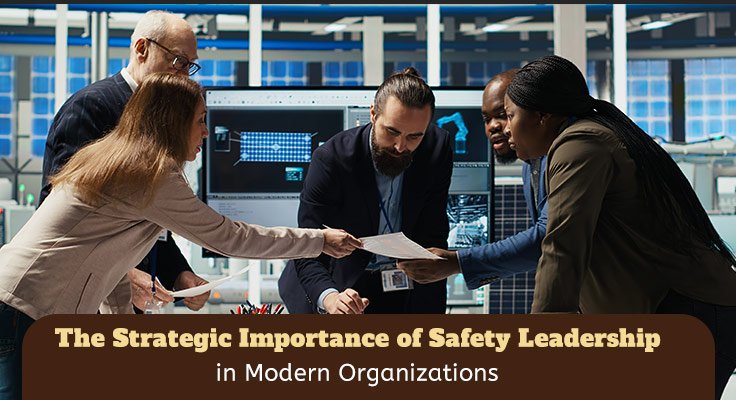
Safety leadership plays a key role in how organizations protect their people and operations. It sets the tone for how risks are handled every day. Strong leadership helps teams stay alert and prepared. It also builds trust across all levels of the workplace.
When leaders focus on safety, employees tend to follow. This leads to fewer incidents and better performance. The points below show how safety leadership shapes modern organizations and why it matters.
Building a Clear Safety Culture
Safety leadership helps create a clear and shared culture. Leaders set expectations that everyone understands. They make safety a daily priority, not an afterthought.
This approach builds habits that reduce risk. Employees feel more responsible for their actions. Over time, this leads to a safer work environment.
Improving Communication Across Teams
Leaders who value safety encourage open communication. Employees feel comfortable reporting issues early. This helps prevent small problems from becoming serious.
Clear communication also reduces confusion during tasks. Teams work better when they understand safety rules. This keeps operations steady and controlled.
Strengthening Employee Accountability
Safety leadership promotes personal responsibility. Each worker knows their role in keeping the workplace safe. Leaders guide but also expect action from the team. This creates a sense of ownership.
Employees become more careful in their tasks. The result is fewer mistakes and better outcomes.
Supporting Ongoing Training and Awareness
Strong leaders invest in regular training. They keep safety knowledge fresh and relevant. Training helps workers stay ready for different situations.
Some teams also explore resources from sites like https://cprcertificationnow.com to improve their skills. This supports quick and correct responses during emergencies. Continuous learning keeps safety standards high.
Reducing Costs and Operational Risks
Good safety leadership lowers the chances of accidents. Fewer incidents mean fewer disruptions. This helps save money over time. It also protects company assets and reputation.
Leaders who focus on safety avoid costly setbacks. The organization stays stable and efficient.
Driving Long Term Organizational Growth
Safety leadership supports steady growth. Safe workplaces attract and retain employees. Teams perform better when they feel secure.
Leaders build systems that last over time. This creates a strong foundation for expansion. Growth becomes more sustainable and controlled.
Encouraging Proactive Risk Management
Safety leadership pushes teams to think ahead. Leaders guide employees to spot risks before they grow. This reduces the chance of sudden incidents.
Workers become more aware of their surroundings. Small issues get fixed early. This keeps the workplace safer every day.
Enhancing Decision Making Under Pressure
Strong safety leadership improves how decisions are made. Leaders stay calm during high pressure situations. This sets an example for the team.
Employees learn to respond with clear thinking. Quick and safe choices become a habit. This helps prevent panic and limits damage.
Learn About the Strategic Importance of Safety Leadership in Modern Organizations
Safety leadership is a core part of modern business success. It influences culture, communication, and performance. Strong leadership keeps risks low and standards high. It also supports employee confidence and trust.
Organizations that lead with safety stay more stable. They are better prepared for challenges. This approach helps build a safer and stronger future.
Should you wish to read more, visit our blog page. We’ve got more topics!