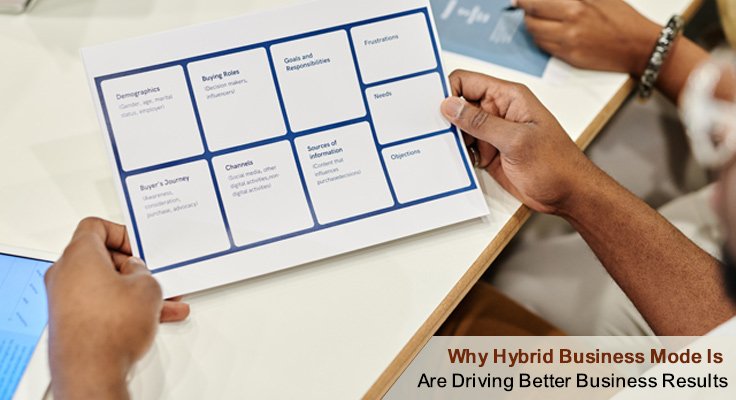
Rigid, single-dimensional strategies no longer sustain competitive advantage in today’s volatile landscape. Hybrid business models artfully combine diverse revenue streams and operational frameworks. They are emerging as the definitive pathway to superior performance.
This strategic flexibility extends beyond finance and operations into talent deployment. The evidence is striking. Gartner notes that workers skilled across multiple AI tools double productivity. Also, they are 2.3 times more likely to deliver superior quality work. When integrated into a hybrid framework, AI proficiency amplifies efficiency and innovation across departments.
In this article, we’ll examine how hybrid business models enable organizations to adapt more effectively, optimize operations, and drive sustainable business growth.
Hybrid Business Models Improve Operational Flexibility
Hybrid business models help organizations respond quickly to changing customer needs and market conditions. By integrating physical operations with digital technologies, businesses streamline workflows and minimize operational disruptions. They also improve scalability and resource utilization. This flexibility enables companies to maintain consistent service while adapting efficiently to evolving business challenges.
IBM reports that a hybrid-by-design operating model drastically reduces handoffs and indecision. By integrating automated workflows and data analysis, companies gain centralized visibility into operations. This empowerment frees frontline employees for strategic tasks. Consequently, businesses can cut operating costs by 40% to 70% within just six months.
Strategic Outsourcing Strengthens Business Performance
Companies increasingly outsource specialized business functions instead of building every capability internally. This approach provides access to expert talent while reducing operational costs and infrastructure demands. As a result, organizations can concentrate on core business priorities while trusted partners manage essential support functions efficiently.
The self-storage industry illustrates the growing shift toward strategic outsourcing. Remote and hybrid management providers handle customer support, remote leasing, facility monitoring, and daily operations with greater efficiency. This allows facility owners to focus on business growth, long-term planning, and strategic decision-making.
However, for better output, Copper Storage Management recommends hybrid self-storage management solutions that combine remote expertise with on-site support. This approach gives facilities a local staff presence for tenant assistance while remote teams manage customer service, operations, and revenue optimization. The result is greater efficiency and operational flexibility without maintaining a fully staffed office.
Technology Makes Hybrid Operations More Effective
Cloud computing, automation, artificial intelligence, and data analytics streamline business operations and improve collaboration. They enable faster, data-driven decisions while enhancing efficiency across departments.
These technologies also deliver consistent customer experiences and lower operating costs. Real-time insights help organizations identify issues quickly and adapt to changing market conditions.
According to Grand View Research, the global digital transformation market reached $1.3 trillion in 2025. It is projected to grow to $5.49 trillion by 2033. This represents a 19.4% compound annual growth rate from 2026 to 2033, highlighting sustained investment in digital technologies.
Hybrid Models Create Better Customer Experiences
A McKinsey & Company study highlights that 71% of consumers expect personalized interactions from businesses. Additionally, 76% become frustrated when those expectations are not met. Hybrid business models help companies deliver more tailored, seamless experiences across digital and physical channels, creating stronger customer relationships and greater business value.
Businesses can combine online convenience with personalized human support, allowing customers to interact through their preferred channels without sacrificing service quality. Digital tools provide faster responses and data-driven insights, while in-person teams handle complex needs that require expertise or empathy.
This balanced approach creates consistent experiences at every touchpoint, improving customer satisfaction and loyalty.
Cost Efficiency Without Compromising Growth
Combining digital processes with traditional operations helps businesses lower costs without reducing performance. Automation and cloud-based technologies streamline workflows and improve resource utilization. These efficiencies minimize repetitive work and support better productivity. The resulting savings can be reinvested in innovation, marketing, workforce development, and strategic business expansion.
Strategy& Managing Director Tim Braasch explains on LinkedIn that cost efficiency enables high-impact business growth. Rather than playing defense, top organizations use operational savings strategically. They purposefully free up vital resources for AI, sustainability, and digital transformation. Ultimately, this approach creates massive capacity for future expansion instead of just lowering baseline expenses.
Leadership Strategies for Managing Hybrid Organizations
Leading a hybrid organization requires clear communication, mutual trust, and a results-focused approach. Effective leaders set transparent goals, invest in collaboration technologies, and promote regular feedback. These practices keep remote and on-site teams aligned, improve accountability, and support consistent performance across the organization.
Effective leaders prioritize employee well-being, continuous learning, and accountability to keep hybrid teams engaged and productive. They also rely on data-driven insights to track performance, measure outcomes, and identify areas for improvement. This balanced approach strengthens collaboration, supports informed decisions, and drives sustained organizational success.
Frequently Asked Questions
Which industries benefit most from hybrid business models?
Industries combining physical and digital interactions benefit most from hybrid business models. Sectors like retail, real estate, healthcare, and self-storage leverage these strategies to boost efficiency and reach. Consequently, they reduce costs and deliver personalized services while adapting to market demands.
How can businesses measure the success of a hybrid operating model?
Businesses track key performance indicators like revenue, operational costs, and retention to measure hybrid success. Regular data analysis helps leadership identify core strengths and address operational inefficiencies. This consistent evaluation ensures the model always supports critical business goals and sustainable growth.
What common mistakes should companies avoid when adopting a hybrid business model?
To succeed, hybrid businesses must avoid poor communication, inconsistent customer experiences, and inadequate technology investments. Failing to define responsibilities or train employees also reduces effectiveness. Instead, clear processes, strong leadership, reliable digital tools, and continuous evaluation are required to adapt.
Key Statistics Highlighting the Impact of Hybrid Business Models
| Workers skilled across multiple AI tools | 2× higher productivity |
| Workers proficient in multiple AI tools | 2.3× more likely to produce higher-quality work |
| Hybrid-by-design operating models | Reduce operating costs by 40%–70% within six months |
| Global digital transformation market (2025) | $1.3 trillion |
| Consumers expecting personalized interactions | 71% |
Embracing Hybrid Strategies for Sustainable Success
Hybrid business models practically improve efficiency, customer experiences, and competitiveness. By combining traditional operations with digital capabilities, businesses gain greater flexibility and resilience. This strategic integration ultimately creates vital new opportunities for sustainable growth.
A well-executed hybrid approach effectively optimizes resources while adapting to evolving customer expectations. Whether through strategic outsourcing or technology adoption, this balance remains vital. Organizations that continue refining these flexible hybrid strategies will ultimately secure long-term success in dynamic environments.