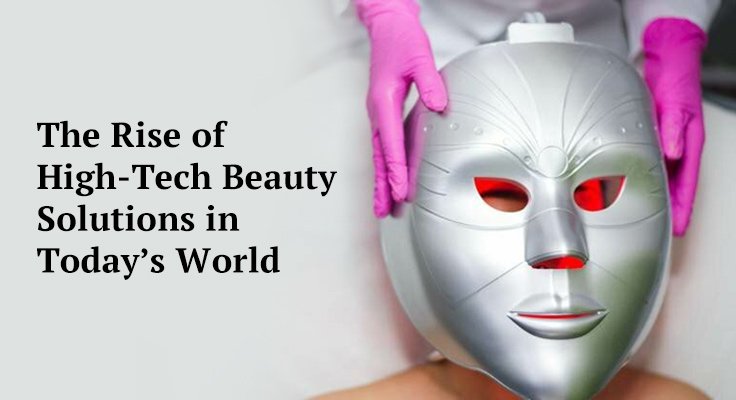
For years, beauty followed a cycle you couldn’t really escape. Today, treatments like full body laser hair removal, LED masks, and smart cleansing devices show how much things have advanced.
Before, you booked regular facials without knowing what your skin actually needed. You tried product after product, hoping one would finally work. You relied on other people’s routines rather than on those built for you.
Well, like with any tech, things have changed. Tools today can scan your skin, track changes, and adjust your routine based on actual, real data.
Keep reading to learn more.
Laser-Based Treatments and Long-Term Hair Reduction
Have you spent years dealing with hair removal in ways that never really solved the problem? Then you know shaving lasts only for a couple of days. Waxing does stretch it a bit longer, but it still keeps you tied to a schedule.
What really makes a difference is laser technology. It targets the hair follicle directly and slows down regrowth over time.
So, instead of constant upkeep, you work with fewer sessions and longer gaps between them. This alone changes how much time you spend on maintenance. It also helps with common issues like irritation, ingrown hairs, and uneven results.
One important thing to keep in mind is that results don’t happen after one visit. You’d need multiple sessions, followed by occasional (often yearly) maintenance.
But when you get to that stage, the routine becomes far less demanding than traditional methods.
LED Light Therapy for Skin Improvement
You’ve seen influencers on Instagram and TikTok presenting skin products, tried them just for the hype, and failed.
That’s what happens when you go for random products — one can help for a while, another does nothing, and you’re left thinking about what actually made a difference.
LED light therapy works differently. For a more precise approach, it uses specific wavelengths of light to address any concerns.
Red light focuses on supporting skin repair and reducing visible signs of aging. Blue light targets acne-causing bacteria.
Instead of layering multiple products, this method works beneath the surface, where many skin issues begin.
The beauty of this solution is that you can now use it either in professional clinics or at home through masks and handheld devices. The main difference lies in the intensity and speed of results.
AI-Powered Skin Analysis and Personalized Routines
Many people think AI is used mainly for coding and cybersecurity. While they’re not wrong, AI is present in almost every single industry, and beauty is one of them.
Apps with AI can analyze your face to spot any patterns or issues. They scan the texture, pores, fine lines, uneven tone, and then, based on the results, suggest products or routines.
Trends don’t work for everyone, especially when it comes to skincare, so this way, you get personalized recommendations, just for you.
Some apps also track progress over time, so you can see what’s improving and what isn’t.
Not to mention the money you can save by avoiding products that don’t work for you.
Smart Beauty Devices for At-Home Treatments
At-home beauty care is now much different than just using a $1 face mask.
You now have access to technology that used to exist only in clinics, but in a more practical form for regular use.
Cleansing brushes go deeper than manual washing. Microcurrent devices stimulate facial muscles. Some tools focus on improving product absorption.
Once you find what works for you, make sure you’re consistent, as one session won’t do much. Regular use, on the other hand, can support gradual improvements in tone, texture, and overall appearance.
They don’t replace professional treatments, but they can extend the results or reduce how often you need appointments.
Preventive Beauty Technology and Early Skin Monitoring
While most beauty routines focus on fixing issues after they appear, such as fine lines, pigmentation, or breakouts, new technology is moving that timing by helping you spot changes earlier.
There are devices and apps that now track even the smallest changes in your skin over weeks or months. They measure hydration levels, sun exposure, and early signs of damage that aren’t obvious yet.
Instead of waiting for a visible problem (when it might be too late), you can adjust your routine before it gets worse.
This approach changes how you plan your spending as well. When you see patterns on time, you can avoid unnecessary treatments and focus only on what your skin actually needs.
That’s where it makes sense to step back and budget your appearance based on real data, not impulse decisions.
Augmented Reality in Beauty Shopping
Buying makeup used to involve a lot of trial and error. You picked a shade, tested it in store lighting, and still weren’t sure how it would look in real life.
Augmented reality lets you see products on your face before you buy them.
With AR tools, you can test different lipstick shades, foundation tones, or even hair colors using your phone or computer. The technology scans and maps your facial features and adjusts the product, so you get a more realistic preview than a simple swatch.
No more mistakes with choosing the undertone or buying something that looks nice in the store and then completely different once you get home.
You don’t have to explore all solutions, just choose what works for you. Because, like with any other tech advancements, these beauty solutions are here to make your life easier.