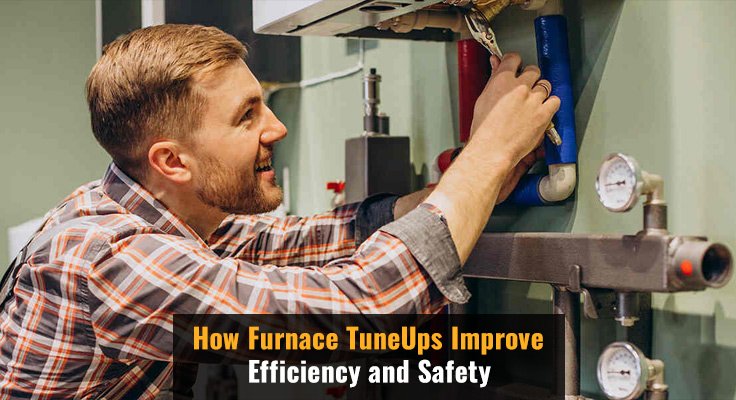
Keeping a home warm through the colder months means relying on a furnace that runs reliably, efficiently, and safely. Many homeowners think about replacing their equipment only when something breaks, but regular maintenance is crucial to how a furnace performs throughout its lifecycle. Furnace tune-ups involve a series of detailed checks, cleanings, and adjustments that help the system operate smoothly. We will explore how these routine maintenance procedures not only improve efficiency but also significantly reduce safety risks and prolong the life of the heating system. Understanding why tune-ups matter can help homeowners make informed decisions about caring for their heating systems and avoid costly breakdowns at the worst possible times.
Key Benefits of Routine Furnace Tune-Ups
- Maximizing Operational Efficiency
A clean, properly adjusted furnace will always perform at a higher level of efficiency than one that is dirty or misaligned. Efficiency here refers to how effectively the system converts fuel into heat energy delivered into the home. Over time, dirt, dust, and debris accumulate on internal components like burners and heat exchangers. This buildup forces the system to work harder than necessary, consuming more fuel and reducing overall performance. During a tune-up, a trained technician thoroughly cleans critical components to remove deposits that hinder performance. The process also includes calibrating the thermostat and ensuring that electrical connections are secure.
When all parts are clean and operating within manufacturer tolerances, the furnace can draw less energy while producing more consistent heat. For homeowners, the direct benefit of these adjustments is lower utility costs and a more comfortable living environment. Many homeowners who work with leading HVAC companies in Phoenix notice that improved efficiency also reduces wear and tear on the entire system. When a furnace does not have to strain to produce heat, internal parts experience less stress. This reduces mechanical failures and extends the unit’s useful life. A well-maintained system might cost less to operate and last years longer than one that is neglected.
- Enhancing Indoor Air Quality
Air quality in a home is tied closely to the condition of the heating system because furnaces circulate air throughout living spaces. When filters are clogged or components are dirty, pollutants like dust, pollen, and pet dander can accumulate in the air that passes through the system. A furnace tune-up includes replacing or cleaning filters and inspecting the blower assembly to ensure that dust and contaminants are not being redistributed into the air that the household breathes. In addition to visible debris, furnaces can collect unseen allergens and irritants that aggravate respiratory conditions such as asthma or allergies. Keeping these elements under control improves the overall healthfulness of the indoor environment. Tune-ups also help prevent mold or mildew growth in areas where moisture can collect, especially around the heat exchanger or condensate drain.
A thorough inspection checks for signs of moisture buildup and addresses conditions that could promote microbial growth. For families with young children, elders, or individuals with compromised immune systems, maintaining clean airflow is particularly important. Improved air quality contributes to better sleep, fewer discomfort symptoms, and greater general well-being. Regular maintenance ensures the furnace helps deliver warmth without compromising the air quality inside the home.
- Reducing the Risk of Unexpected Breakdowns
One of the most frustrating aspects of owning a furnace is a sudden failure in the middle of a cold night or during extreme weather. Many of these unexpected breakdowns are preventable with routine tune-ups that catch minor issues before they escalate. During a maintenance visit, a technician systematically checks mechanical and electrical components for signs of wear, corrosion, or impending failure. Loose wiring, worn belts, or failing ignition systems can all be identified early. By addressing these issues proactively, homeowners avoid emergency repairs that often involve higher costs and greater inconvenience.
A properly maintained furnace is less likely to stop working when it is needed most. The safety and comfort of household members are preserved, and there is peace of mind knowing potential weaknesses have been evaluated and corrected in advance. Planned maintenance also includes testing the system’s start-up sequence to ensure that ignition and burner activation occur without hesitation. Problems in these areas can lead to rough cycling or incomplete combustion, both of which impair performance and increase the likelihood of a breakdown. In short, regular tune-ups act like a health check for the furnace, revealing vulnerabilities before they become full-blown failures.
Routine furnace tune-ups deliver clear advantages across multiple aspects of operation, from efficiency and air quality to safety and cost savings. These regular maintenance practices ensure that a heating system runs more reliably and with a lower risk of failure or hazards. Homeowners who acknowledge the value of proactive care find that their systems remain dependable and comfortable throughout the colder seasons. Prioritizing routine maintenance for a furnace helps ensure a safer household environment, smoother performance, and lower costs over the system’s full life. Regular maintenance is not just a preventive measure; it is an investment in peace of mind and long-term comfort.
Also Read: The Economic Ripple Effect Of America’s Ongoing Furnace Replacement Boom