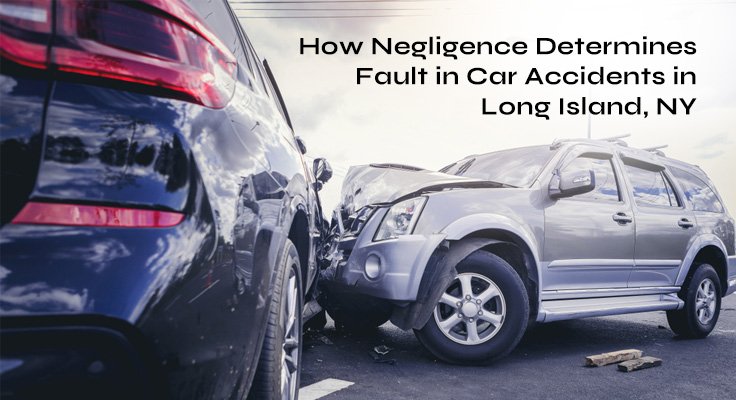
Traffic moves fast across Long Island, NY. Drivers hurry through intersections, check their phones, and assume the road will stay predictable. A single careless moment can break that routine.
After a crash, fault becomes the central issue. It is not based on feelings or first reactions. Under New York law, fault is shaped by negligence. This is why a car accident lawyer in Long Island focuses on actions taken before the impact, not just what happens after.
What Negligence Means in Car Accident Cases
Negligence is a legal way of saying someone failed to act with proper care. Drivers are expected to follow traffic laws and drive safely. If a driver ignores that duty and causes harm, negligence may exist.
Negligence is not about bad intentions. A driver does not have to mean harm to be at fault. Simple actions like speeding, texting, or failing to yield can qualify as negligent behavior under New York law.
The Four Elements That Define Negligence
To decide fault, courts look at four main elements of negligence. All four must be present.
Duty of Care
Every driver has a duty to operate their vehicle safely. This includes obeying traffic signals, staying alert, and adjusting to road conditions.
Breach of Duty
A breach happens when a driver fails to meet that duty. Running a red light, following too closely, or driving while distracted are common examples.
Causation
The breach must directly cause the accident. If careless driving leads to a collision, this element is usually met.
Damages
There must be real harm. This can include injuries, vehicle damage, lost wages, or medical bills.
If any one of these elements is missing, proving negligence becomes difficult.
Common Examples of Negligence on Long Island Roads
Negligence can appear in many forms. Some of the most common causes of car accidents in Long Island include:
- Speeding in heavy traffic
- Distracted driving, such as texting
- Driving while tired
- Failing to check blind spots
- Ignoring traffic signs or signals
Even small mistakes can have serious consequences, especially on busy roads and highways.
How Fault Is Shared Under New York Law
New York follows a pure comparative negligence rule. This means more than one driver can share fault for an accident.
For example, if one driver was speeding but another failed to signal a turn, both actions may be reviewed. Each driver may be assigned a percentage of fault.
A person can still recover compensation even if they were partly responsible. The amount is reduced based on their share of fault. This rule often surprises people who believe fault must belong to only one driver.
Evidence Plays a Key Role in Proving Negligence
Negligence is not assumed. It must be shown using evidence. Strong evidence helps explain what happened and why.
Common forms of evidence include:
- Police reports
- Photos of the accident scene
- Traffic camera footage
- Witness statements
- Medical records
The clearer the evidence, the easier it becomes to explain fault.
Insurance Companies and Negligence Claims
Insurance companies examine negligence closely. Their goal is often to limit how much they pay. Adjusters may argue that a driver shared more fault than they actually did.
Statements made early can be misunderstood or taken out of context. This is why understanding negligence matters before speaking in detail about the accident.
Why Negligence Matters Beyond Fault
Negligence affects more than just blame. It influences the value of a claim and the type of compensation available.
Negligence impacts:
- Medical expense recovery
- Lost income claims
- Pain and suffering evaluations
- Property damage payments
A clear understanding of fault can shape the entire case.
Local Factors in Long Island Car Accident Cases
Long Island has unique traffic patterns, busy highways, and dense suburban roads. These factors often affect how accidents occur and how negligence is evaluated.
Local courts consider road design, traffic flow, and driving conditions common to the area. This local context can influence how the fault is viewed and argued.
Avoiding Assumptions After an Accident
Many drivers assume fault immediately after a crash. Apologizing or guessing what happened can create problems later.
Fault should be determined through facts, not emotions. Taking time to gather information and understand negligence helps protect legal rights.
Moving Forward After a Car Accident in Long Island, NY
Negligence is the foundation of most car accident cases. Understanding how it works gives accident victims clarity during a stressful time. It explains why evidence matters, why fault can be shared, and why early decisions carry weight.
Guidance from a car accident lawyer in Long Island can help explain how negligence applies to a specific situation. With the right knowledge and support, drivers in Long Island, NY can move forward with confidence and a clearer understanding of their legal options.