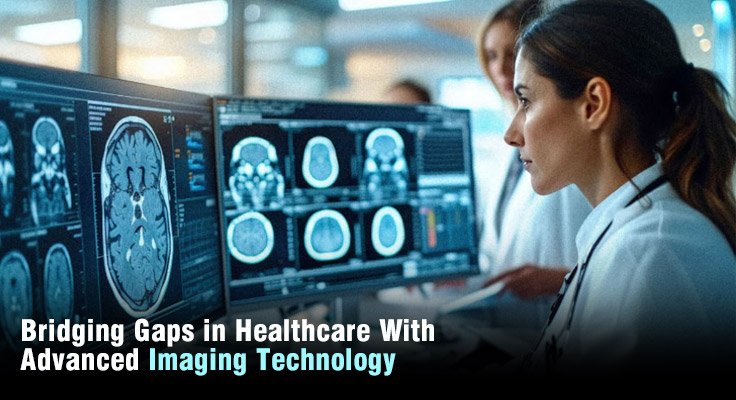
Advanced imaging technology is changing how care is delivered across many settings. It helps doctors see more detail and act with better timing. This leads to faster decisions and better outcomes for patients.
It also supports teams in handling complex cases with more confidence. Many systems now rely on imaging to guide both diagnosis and treatment. As tools improve, access to accurate results becomes more common.
Explore the sections below to see how advanced imaging technology is bridging gaps in healthcare.
Improving Early Detection and Diagnosis
Advanced imaging technology allows earlier detection of diseases. It helps identify small changes in the body that were once missed. Early detection supports better treatment planning.
Doctors can act before conditions become severe. This reduces risks and long hospital stays. Patients benefit from less invasive procedures.
Imaging also helps confirm diagnoses with more accuracy. This lowers the chance of errors. It creates a strong base for effective care.
Supporting Remote and Rural Healthcare
Advanced imaging technology helps reach patients in remote areas. It allows scans to be shared with experts in other locations. This reduces the need for travel.
Rural clinics can now access better support. Patients get faster feedback on their condition. It also improves access to specialists, and this helps reduce delays in care.
More people can receive timely treatment. It closes the gap between urban and rural services.
Enhancing Treatment Planning
Advanced imaging technology helps doctors plan treatments with precision. It shows clear views of organs and tissues. This allows better targeting during procedures.
Surgeons can prepare with more confidence. It reduces unexpected issues during treatment. Imaging also supports personalized care plans.
Each patient gets a plan that fits their condition. This leads to better results. It improves overall treatment success.
Reducing Invasive Procedures
Advanced imaging technology helps avoid unnecessary surgeries. It provides detailed internal views without cutting into the body. This lowers the risk of complications, and patients recover faster with fewer procedures.
It also reduces hospital costs. Doctors can monitor conditions without repeated surgery. This improves patient comfort.
It also saves time for medical teams. Care becomes safer and more efficient.
Improving Workflow Efficiency
Advanced imaging technology speeds up clinical workflows. It reduces the time needed for image processing. Doctors can review results faster, and this leads to quicker decisions.
It also helps reduce patient waiting times. Staff can manage more cases in less time.
Automated systems support daily tasks. This lowers workload pressure. It helps healthcare teams stay productive.
Strengthening Collaboration Between Specialists
Advanced imaging technology makes it easier for specialists to work together. Images can be shared quickly across departments. Teams can review cases at the same time, and this leads to better decision-making.
It also reduces communication gaps. Specialists can give input without delays. This improves patient outcomes.
It supports a team-based approach to care. It builds stronger coordination in healthcare.
Supporting Education and Training
Advanced imaging technology is useful for training new professionals. Students can learn from real case images. It helps them understand complex conditions.
Training becomes more practical and clear. It also supports ongoing learning for staff. Medical teams can review past cases for insights, and this improves skills over time.
It builds confidence in handling cases. Education becomes more effective.
Advancing Research and Innovation
Advanced imaging technology plays a key role in research. It helps study diseases in detail. Researchers can track changes over time, and this supports discoveries.
It also helps test new treatments. Imaging provides clear data for analysis, and this improves the quality of research. It drives innovation in healthcare, and new solutions can be developed faster.
Enhancing Patient Engagement
Advanced imaging technology helps patients understand their condition. Visual images make explanations clearer. Patients can see what is happening in their bodies.
This builds trust with doctors. It also supports better communication. Patients feel more involved in their care, and this leads to better cooperation during treatment.
It improves satisfaction levels. It strengthens the patient experience.
Improving Data Management and Access
Advanced imaging technology supports better data storage and access. Images can be stored digitally and retrieved quickly, and this reduces the risk of lost records. It also helps track patient history over time.
Doctors can compare past and current images easily, and this supports better decisions. Systems can handle large amounts of data. It improves organization in healthcare facilities, and access to information becomes more reliable.
Supporting Preventive Healthcare
Advanced imaging technology helps in preventive care. It allows regular screening for early signs of disease. Patients can take action before problems grow, and this reduces long-term health risks.
It also lowers treatment costs. Preventive care improves overall health outcomes. Imaging supports routine health checks.
It helps identify risk factors early. It encourages proactive health management.
Expanding Access to Digital Imaging Solutions
Advanced imaging technology continues to expand across healthcare systems. More facilities are adopting digital tools. This improves access to quality imaging services.
It also supports faster sharing of results. Healthcare providers can explore different solutions to meet their needs. For example, you can check websites like Novarad and other websites to explore technologies like digital medical imaging.
This helps teams stay updated with current tools. It supports better system choices. Access to modern imaging continues to grow.
Strengthening Emergency and Critical Care Response
Advanced imaging technology supports faster response in emergency cases. It helps doctors assess injuries and conditions within minutes. Clear images guide quick decisions in critical moments, and this improves survival rates in urgent situations.
Emergency teams can act with more accuracy. It also reduces delays in starting treatment.
Imaging tools are often available in emergency rooms for rapid use. This ensures patients get immediate attention. It plays a key role in saving lives during critical care.
Advanced Imaging Technology Is Indeed Bridging Gaps in Healthcare
Advanced imaging technology is helping close major gaps in healthcare. It improves access, accuracy, and efficiency across many areas. Patients benefit from faster and safer care.
Healthcare teams gain better tools to do their work. The impact continues to grow as technology improves. Systems are becoming more connected and reliable, and this progress supports better outcomes for everyone.
Should you wish to discover other topics, you may visit our blog. We’ve got more topics there for you!