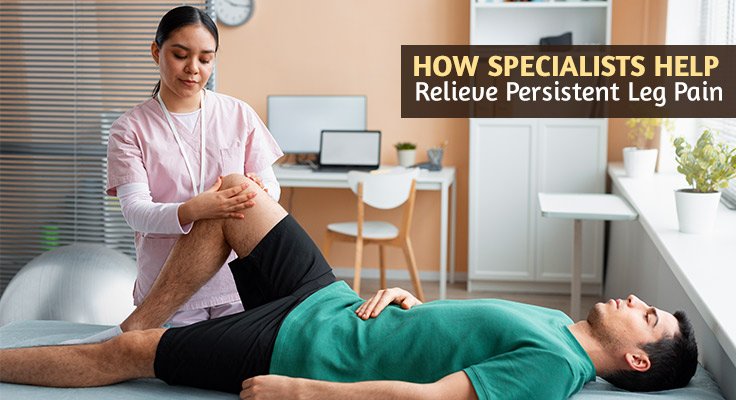
Persistent leg pain can disturb sleep, slow walking, and make ordinary chores feel unusually demanding. Brief relief from rest, stretching, or store-bought medicine may fade once activity resumes. Heaviness, swelling, cramps, throbbing, or visible veins call for a closer clinical look. Vein specialists study blood return from the feet upward. That evaluation can reveal treatable pressure changes and guide care based on examination, imaging, and symptom patterns.
Why Pain Lingers
Recurring leg soreness may stem from weak valves, calf strain, nerve compression, arthritis, or prior clot injury. A focused vascular visit helps sort those possibilities with care. People seeking relief for aching legs from East El Paso vein specialists often need assessment for swelling, heaviness, skin discoloration, and cramps after standing, since inefficient blood return can stretch vein walls and irritate surrounding tissue.
Signs Worth Checking
Venous discomfort usually feels heavy, full, tired, burning, or throbbing rather than sudden and sharp. Symptoms often build late in the day, particularly after long periods sitting, driving, or standing. Some patients notice ankle swelling, restless legs, itching, warmth, or raised surface veins. Skin near the shin or ankle may darken, tighten, or become tender. These findings help clinicians decide whether circulation testing should follow.
The First Visit
A specialist begins by listening closely to the symptom timeline. The visit usually covers clot history, pregnancies, family patterns, medications, injuries, surgeries, and work habits. Both legs may be examined while seated and standing, because gravity can expose swelling or bulging vessels. Pulse checks and skin inspection add useful clues. This process helps separate venous disease from spine, hip, knee, ankle, or foot conditions.
Ultrasound Matters
Duplex ultrasound gives clinicians a real-time view of blood movement through deep and surface veins. The test checks whether one-way valves close properly or allow backward flow, known as reflux. It is painless, noninvasive, and performed without needles. Measurements show where pressure begins and how far abnormal flow travels. Clear imaging links symptoms with anatomy, reducing guesswork and supporting a plan based on objective findings.
Care Starts Simple
Early care often includes graduated compression, regular walking, leg elevation, weight control, and breaks from prolonged standing. These steps lower venous pressure and may reduce ankle swelling. They also show how strongly symptoms respond when blood return improves. Specialists explain stocking strength, length, and fit, since poor sizing can pinch, roll, or discourage use. Practical guidance matters because consistency often shapes symptom control.
Treatment Options
When ultrasound confirms significant reflux, an office procedure may close the faulty channel and redirect blood through healthier pathways. Common methods use controlled heat, medical adhesive, or a carefully delivered solution. Most patients are encouraged to walk soon afterward. The chosen approach depends on vein diameter, symptom severity, clot risk, medical history, and the location of abnormal flow. A precise plan avoids treating veins that are unrelated to pain.
Pain Relief Goals
Specialists do not treat every visible vein in the same way. Fine cosmetic vessels and medically symptomatic veins require different decisions. For aching, swelling, heaviness, tightness, or night cramps, care aims to reduce pressure and improve upward return. Relief may develop gradually as closed veins seal and irritated tissue calms. Follow-up visits track healing, confirm closure, and identify remaining segments that may still cause symptoms.
Daily Habits Help
Calf muscles work as a pump each time a person walks. Short movement breaks, ankle flexes, and steady activity can limit pooling during busy days. Elevating legs after work may ease pressure around the ankles. Hydration, balanced meals, and stable weight support tissue recovery. These habits cannot correct every structural vein problem, but they often improve comfort and help medical treatment work better.
Why Local Care Counts
Nearby care can make testing, treatment, and follow-up easier to maintain. Local specialists understand how desert heat, commute time, shift work, and long-standing periods affect leg symptoms. Access also matters after procedures, when questions about compression, soreness, walking, or bruising may arise. Regular check-ins let clinicians monitor healing and adjust the plan if discomfort persists. Convenience can support better continuity over time.
Conclusion
Persistent leg pain deserves careful evaluation, especially when swelling, heaviness, cramping, skin changes, or visible veins appear together. Specialists use medical history, physical examination, and ultrasound to determine whether reflux contributes to symptoms. Care may begin with compression and movement, then progress to office-based procedures when findings support treatment. With accurate testing, clear guidance, and steady follow-up, many people regain comfort and move through daily life with more confidence.