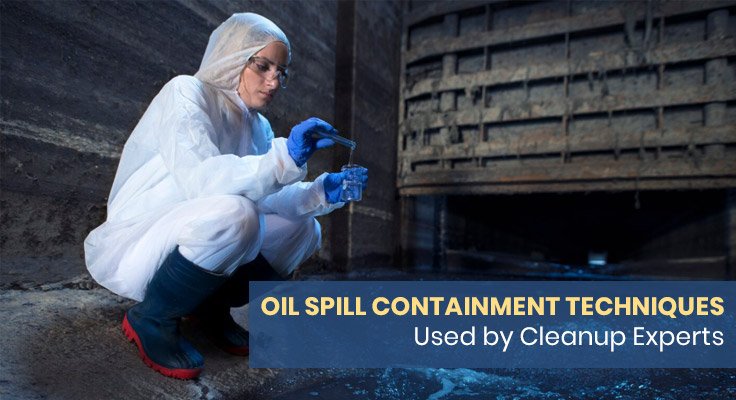
Oil spills can cause serious harm to the environment, public health, and nearby businesses. Whether triggered by transportation accidents, equipment failures, storage tank leaks, or industrial incidents, oil spills demand immediate action to stop contamination from spreading further. One of the most critical components of spill response is containment. Before any cleanup can begin, professionals must prevent the oil from reaching additional areas and causing greater damage.
Professional cleanup crews use a range of containment techniques depending on the location, size, and type of spill. These approaches are designed to control the movement of contaminants, protect sensitive ecosystems, and make recovery efforts more efficient. Companies specializing in Oil Spill Cleanup in Atlanta, GA understand how these containment methods work and the level of expertise and planning required to handle oil spill emergencies successfully.
Why Oil Spill Containment Matters
Containment serves as the first line of defense against environmental harm following an oil spill. Oil can move rapidly through soil, storm drains, waterways, and groundwater systems if left uncontrolled. Even relatively minor spills can grow into much larger environmental problems when not addressed right away.
Effective containment helps to:
- Limit the size of the affected area
- Protect nearby water sources
- Reduce overall environmental damage
- Improve safety conditions for workers
- Lower total cleanup costs
- Support compliance with environmental regulations
The sooner containment measures are put in place, the more successful the overall cleanup operation is likely to be.
Initial Spill Assessment
Before selecting a containment approach, cleanup professionals carry out a thorough evaluation of the situation. This assessment helps determine the most appropriate response methods for the specific incident.
Key factors considered during the assessment include:
- Type of oil that was released
- Volume of material spilled
- Location of the incident
- Current weather conditions
- Nearby environmental risks
- Possible pathways for contamination to spread
The details gathered during this phase guide the response team in selecting the right containment techniques and equipment for the job.
Spill Containment Booms
Containment booms are among the most widely used tools for managing oil spills, particularly near bodies of water. These floating barriers help stop oil from spreading across the surface and reaching sensitive areas.
Booms are designed to:
- Surround spilled oil
- Redirect contaminants away from vulnerable zones
- Protect shorelines and coastal areas
- Concentrate oil for easier collection and recovery
Several types of booms are used in spill response operations, including:
Fence Booms
Fence booms feature a flexible skirt that hangs below the water’s surface. They are lightweight, simple to deploy, and commonly used in calm water environments.
Inflatable Booms
Inflatable booms offer greater durability and are frequently used in larger spill response operations. They can be transported in a compact form and inflated on-site when needed.
Fire Booms
In certain situations, fire-resistant booms are deployed when controlled burning is incorporated into the overall response strategy.
Booms play a vital role in limiting the spread of oil and establishing manageable containment zones for recovery teams.
Absorbent Materials
Absorbent products are another essential containment tool used by cleanup professionals. These materials soak up oil while repelling water, making them highly effective across a wide range of spill situations.
Common absorbent materials include:
- Pads
- Rolls
- Pillows
- Socks
- Granular absorbents
Absorbents are frequently used around:
- Industrial facilities
- Equipment leaks
- Fuel storage areas
- Transportation accident sites
- Routine maintenance operations
They help prevent oil from migrating into drainage systems and the surrounding soil.
Containment Berms
Containment berms are portable barriers built to create a protective boundary around spilled liquids. They are especially useful during spills involving storage tanks, drums, vehicles, or heavy machinery.
Berms assist by:
- Capturing leaking oil before it spreads
- Preventing runoff into surrounding areas
- Creating temporary holding areas for collected material
- Supporting ongoing recovery operations
Available in various sizes and configurations, containment berms can be deployed rapidly during emergency response situations.
Drain Protection Systems
Storm drains and sewer systems can quickly carry oil contaminants to rivers, lakes, and other water sources. Cleanup professionals make protecting drainage systems a top priority as part of their containment strategy.
Drain protection methods include:
- Drain covers
- Inflatable drain plugs
- Magnetic drain seals
- Temporary physical barriers
By blocking access to stormwater systems, responders greatly reduce the risk of widespread contamination reaching natural water bodies.
Earthen Dikes and Trenches
For larger land-based spills, professionals may construct temporary earthen dikes or trenches to contain oil and redirect its flow away from sensitive areas.
These structures are commonly used when:
- Large volumes of oil have been released
- Spill areas involve unpaved ground
- Natural drainage paths are present
- Additional containment layers are required
Earthen barriers help prevent contaminants from reaching waterways and neighboring properties while recovery operations are actively underway.
Vacuum Recovery Systems
Once containment measures are in place, removing the collected oil becomes the next priority. Vacuum trucks and recovery units are commonly used to extract pooled oil from contained areas.
Vacuum systems offer several key advantages:
- Fast oil removal from the site
- Reduced environmental impact during recovery
- Efficient waste collection and transport
- Improved conditions for site restoration
Removing oil quickly minimizes the potential for further contamination and accelerates the overall cleanup process.
Skimmers for Water-Based Spills
When oil spills occur on water surfaces, skimmers are frequently deployed alongside containment booms. These specialized devices separate oil from water and collect it for proper disposal or recycling.
Several types of skimmers are available, including:
- Weir skimmers
- Drum skimmers
- Disc skimmers
- Oleophilic skimmers
The choice of skimmer depends on spill conditions, oil characteristics, and surrounding environmental factors.
Secondary Containment Systems
Many facilities use secondary containment systems as a preventative measure before spills ever take place. These systems help limit the impact of accidental releases and simplify emergency response efforts when incidents do occur.
Examples of secondary containment systems include:
- Double-walled storage tanks
- Spill pallets
- Concrete containment structures
- Protective basins
Secondary containment is widely regarded as one of the most effective ways to reduce spill-related environmental damage before a problem escalates.
Environmental Monitoring During Containment
Containment is not simply about placing barriers around spilled oil. Cleanup professionals continuously monitor environmental conditions throughout the entire response process.
Monitoring activities may include:
- Air quality testing
- Water sampling
- Soil condition assessments
- Groundwater evaluations
- Ongoing weather tracking
This information allows responders to adjust containment strategies as conditions evolve and ensures that cleanup efforts remain effective throughout the operation.
Challenges in Oil Spill Containment
While containment methods are highly effective, certain conditions can complicate response efforts significantly.
Common challenges include:
- Heavy rainfall during the response
- Strong winds affecting boom placement
- Active flooding conditions
- Difficult or remote terrain
- Exceptionally large spill volumes
- Limited access to the incident site
Experienced cleanup teams are trained to adapt to these challenges and implement alternative containment solutions whenever standard approaches are not sufficient.
The Value of Professional Spill Response
Oil spill containment requires specialized equipment, technical knowledge, and a thorough understanding of environmental regulations. Attempting to manage significant spills without professional assistance can increase risks and lead to far more extensive contamination.
Professional responders know how to assess incidents quickly, deploy the right containment systems, and coordinate recovery efforts in an organized and efficient manner. Their experience helps protect public health, natural resources, and business operations during emergency situations.
For facilities that handle petroleum products, working with qualified spill response experts provides valuable support when unexpected incidents occur and ensures that situations are managed safely and in full compliance with applicable regulations.
Conclusion
Containment is one of the most critical stages of any oil spill response operation. By preventing contaminants from spreading, cleanup professionals can significantly reduce environmental damage, protect public health, and improve overall recovery outcomes. From booms and absorbents to berms, drain protection systems, and vacuum recovery equipment, each containment method serves a specific and important purpose in controlling oil spills effectively.
Organizations that recognize the importance of containment and maintain strong spill preparedness programs are far better positioned to respond when accidents occur. Combined with professional expertise and proven techniques, effective containment methods help protect the environment and support faster, more successful cleanup efforts across a wide range of incident types.