Packing bags is not the hard part of a family trip. The real challenge appears afterward. Everyone gets home, unpacks, and within days, the vacation barely comes up again. The photos sit on a phone, but the stories never really start.
Some destinations seem to avoid that problem almost naturally. Pigeon Forge, for example, has built a reputation around experiences that families can participate in together instead of simply observing. The mix of outdoor attractions, interactive shows, and relaxed dining creates an environment where parents and kids are part of the moment rather than watching from the sidelines. Trips there often produce stories that get repeated at family gatherings months later, which is usually a sign that the experience worked.
Shared Experiences Are What Families Remember
Parents often think the biggest attraction will become the main memory. A famous ride, a scenic lookout, or a well-known landmark seems like the obvious highlight of the trip. Yet years later those details often fade. What families bring up instead are shared moments. Someone remembers the night everyone laughed at the same ridiculous thing. Another recalls a dinner that lasted longer than planned because nobody wanted to leave the table. These moments invite everyone into the experience. Travel studies have noticed this pattern too. Activities where people participate together tend to stay in memory longer than things they simply watched. That is usually how small moments quietly turn into family stories.
Why Shared Meals Often Become the Highlight
Food might seem like a routine part of travel, yet it frequently becomes the center of family memories. Meals provide something that many attractions do not offer. They slow everyone down. Some of the best places to eat in Pigeon Forge are not the ones with the best food, but those that offer a wholesome experience for the entire family.
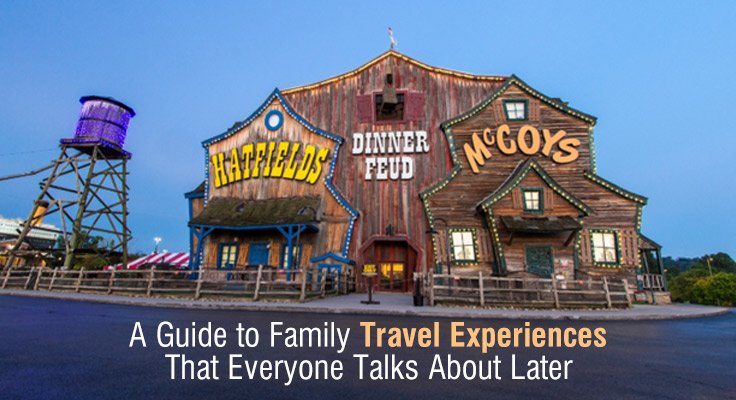
One of the most popular dinner attractions that you must visit is the Hatfield & McCoy Dinner Feud. This all-you-can-eat Southern feast offers not just food, but an entertaining experience of the live show based on the longest-running feud between the Hatfields and McCoys. The stunts and comedy keep everyone in the family fully engaged and entertained, and the delicious feast becomes all the more enjoyable.
These places transform a normal dinner into an event. Instead of quietly eating and leaving, families become part of the atmosphere around them. Laughter spreads across tables. Strangers react to the same moment at the same time. The experience feels shared. The dinner becomes something the entire family talks about afterward.
Interactive Entertainment Changes the Energy
Memorable travel experiences often involve participation rather than observation. Attractions that encourage people to laugh, react, or respond tend to stay in memory longer than activities where visitors simply sit and watch. Children notice this difference quickly. When they feel included, their attention lasts much longer.
Instead of quietly waiting for something to end, they become part of what is happening around them. The mood in the room begins to spread from one table or group to another. Even tired parents usually relax once the atmosphere becomes playful. Shows, games, and demonstrations often work this way. They turn visitors from spectators into participants, and that shift often makes the experience easier to remember.
The Importance of Moments That Surprise Everyone
Not every memorable travel moment can be planned. In fact, some of the experiences families remember most clearly happen unexpectedly. A sudden rainstorm during an outdoor walk. A performer improvising a joke with the audience. A child discovering something interesting that was not on the original itinerary. These small surprises give the trip its personality.
When families only follow strict schedules, the day can start to feel mechanical. Activities happen exactly as planned, but nothing stands out afterward. Allowing space for unplanned moments gives the experience a sense of discovery. Parents sometimes worry that a looser schedule will make the trip feel unorganized. In practice, it often creates the opposite effect. Families relax more easily when the day is not packed from morning until night. Those quieter gaps tend to produce the stories everyone laughs about later.
Why Local Culture Adds Depth to the Trip
Travel experiences feel more meaningful when they connect visitors to the character of a place. Attractions that reflect local traditions or regional humor tend to stand out because they cannot be duplicated somewhere else. Families notice this difference almost immediately.
The food tastes different because it reflects local cooking styles. The music, storytelling, or performances often draw from regional history. Even the way staff interact with guests can reveal something about the local culture. Children may not consciously analyze these details, but they still absorb them. The trip begins to feel like a real place rather than a generic attraction built for tourists.
Parents often discover that these culturally rooted experiences generate more curiosity from kids afterward. Questions start appearing during the drive home. Why do people here cook food that way?
Where did that story come from? Those conversations extend the travel experience long after the vacation ends.
The Value of Experiences That Include Everyone
One challenge in family travel is balancing different age groups. Parents want something relaxing. Children want excitement. Teenagers often want independence. Experiences that engage multiple generations at once tend to work best.
Shared entertainment, casual dining environments, and outdoor activities often succeed because they allow each person to enjoy the moment in their own way. Younger children laugh at the obvious humor. Teenagers appreciate the social atmosphere. Parents relax once they see everyone involved. These types of activities remove the pressure of finding separate entertainment for each age group. When the entire family reacts together, the experience feels unified rather than fragmented.
A successful family trip is rarely defined by how many attractions were visited. Instead, it becomes clear in the weeks that follow. Stories begin to reappear at the dinner table. A child reminds everyone about the moment something unexpected happened. Parents repeat a funny detail that nobody noticed at first.
These conversations gradually turn the trip into part of the family’s shared history. Years later, those same stories may still surface during gatherings or holiday meals. The details might shift slightly as memories soften, but the feeling of the experience remains. That is the quiet goal of family travel. Not simply to visit new places, but to create moments that stay alive in conversation long after the trip itself has ended.