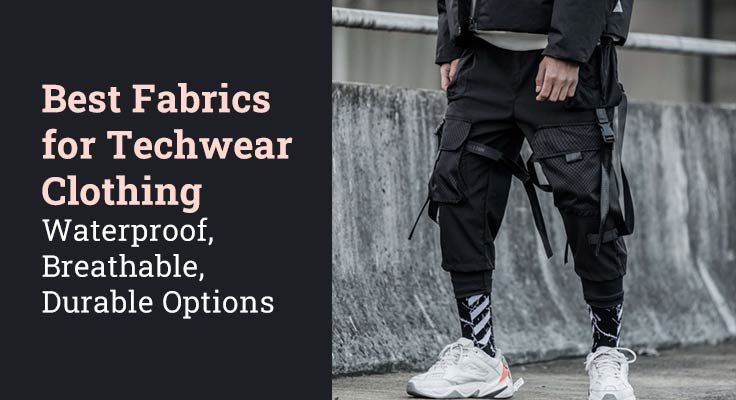
Techwear is more than a fashion trend — it is a philosophy centered around performance, adaptability, and intelligent design. While silhouettes and aesthetics often attract attention first, the true foundation of techwear lies in its fabrics. The materials used determine how well garments perform against rain, heat, wind, and daily urban movement.
Choosing the right fabric is what separates authentic techwear from clothing that simply looks technical. Waterproof protection, breathability, durability, and comfort must work together to create garments capable of handling real-world environments. Understanding the most common fabrics used in techwear helps both beginners and enthusiasts build a wardrobe that balances performance and longevity.
Why Fabric Matters in Techwear
Traditional fashion often prioritizes appearance over function, but techwear reverses this logic. Materials are selected first, and design follows performance requirements. A well made jacket is not only meant to look futuristic; it must protect against weather while remaining comfortable during long periods of wear.
Urban environments present unique challenges. Sudden rain, temperature changes, crowded transportation, and constant movement require clothing that adapts quickly. Fabrics must resist water while allowing heat and moisture to escape, preventing discomfort during daily activity.
The best techwear materials achieve three essential goals simultaneously: weather protection, breathability, and durability.
Waterproof Fabrics: Protection Against the Elements
Waterproof performance is one of the defining features of techwear. Advanced fabrics prevent external moisture from penetrating while maintaining flexibility and lightweight construction.
One of the most recognized waterproof materials is membrane-based fabric technology. These fabrics include microscopic pores small enough to block water droplets yet large enough to allow vapor to escape. This balance keeps wearers dry without trapping sweat inside the garment.
Modern waterproof textiles often include layered constructions, where an outer fabric provides durability and a hidden membrane delivers protection. Durable Water Repellent (DWR) coatings are frequently applied to help water bead and roll off the surface rather than soak into the fabric.
Unlike traditional raincoats, which can feel stiff or suffocating, techwear waterproof fabrics aim to remain comfortable during continuous movement. This makes them ideal for commuting, travel, and unpredictable weather conditions.
Breathable Fabrics: Comfort During Movement
Breathability is equally important as waterproofing. Without proper airflow, even the most protective garment becomes uncomfortable.
Breathable fabrics allow moisture generated by body heat to escape, preventing overheating and maintaining comfort throughout the day. This feature becomes especially important in urban environments where people transition frequently between outdoor and indoor spaces.
Many techwear garments use synthetic fibers engineered to wick moisture away from the skin. These materials distribute sweat across a larger surface area, allowing faster evaporation. As a result, wearers remain dry even during extended activity.
Stretch-woven fabrics are also common in techwear because they combine airflow with mobility. Their flexibility enhances comfort while maintaining a clean silhouette, allowing garments to move naturally with the body.
Durable Materials for Long-Term Wear
Durability is another key pillar of techwear design. Unlike fast fashion garments intended for short-term use, techwear emphasizes longevity. Fabrics must withstand friction, repeated movement, and daily wear without losing performance.
High-denier nylon is widely used due to its strength-to-weight ratio. It resists abrasion while remaining relatively lightweight, making it ideal for pants, outerwear, and bags. Ripstop fabric constructions further enhance durability by reinforcing threads in a grid pattern that prevents small tears from spreading.
Polyester blends also appear frequently because they retain shape well and resist environmental damage such as UV exposure and moisture. These materials help garments maintain structure over time, reducing the need for frequent replacement.
The durability of techwear fabrics contributes not only to practicality but also to sustainability by extending garment lifespan.
Softshell vs Hardshell Fabrics
Understanding the difference between softshell and hardshell fabrics is essential when choosing techwear pieces.
Hardshell fabrics prioritize maximum weather protection. They are fully waterproof and windproof, making them ideal for heavy rain or harsh conditions. However, they may feel slightly more rigid due to protective layering.
Softshell fabrics focus on comfort and flexibility. While they may offer water resistance rather than full waterproofing, they provide superior breathability and mobility. Softshell garments are often better suited for everyday wear where comfort matters more than extreme protection.
Most techwear wardrobes benefit from a combination of both, allowing adaptability depending on weather conditions.
Innovative and Future Techwear Fabrics
The evolution of techwear continues to push textile innovation forward. New materials aim to improve performance while reducing environmental impact.
Some emerging technologies include recycled synthetic fibers created from post-consumer plastics, bio-based textiles derived from renewable resources, and advanced coatings that eliminate harmful chemical treatments. Designers are also experimenting with temperature-regulating fabrics that adapt to body heat, enhancing comfort automatically.
As textile research advances, future techwear garments may become lighter, stronger, and more sustainable without sacrificing performance.
Balancing Performance and Everyday Wear
The best techwear fabrics succeed because they combine technical performance with everyday usability. A garment should protect against rain, allow airflow during movement, and withstand long-term use while still feeling comfortable enough for daily life.
When evaluating techwear clothing, paying attention to fabric composition often reveals more about quality than appearance alone. Materials determine how garments perform over time, how they feel during wear, and how adaptable they are across environments.
Rather than focusing solely on aesthetics, understanding fabric technology allows consumers to make smarter purchasing decisions and build a wardrobe designed for real-world functionality.
Conclusion
Techwear clothing stands apart from traditional fashion because its performance begins at the material level. Waterproof membranes protect against unpredictable weather, breathable textiles maintain comfort during movement, and durable constructions ensure long-lasting wear.
The best techwear fabrics do not prioritize one feature at the expense of another. Instead, they balance protection, comfort, and resilience to create clothing suited for modern urban life. As textile innovation continues to evolve, techwear will remain at the forefront of functional fashion, proving that advanced materials are not just technical upgrades but essential tools for everyday adaptability.
Understanding these fabrics is the first step toward appreciating what makes techwear truly different — clothing engineered not only to look futuristic but to perform in the real world.
Also Read : The Human Side of Performance Fabric Evolution