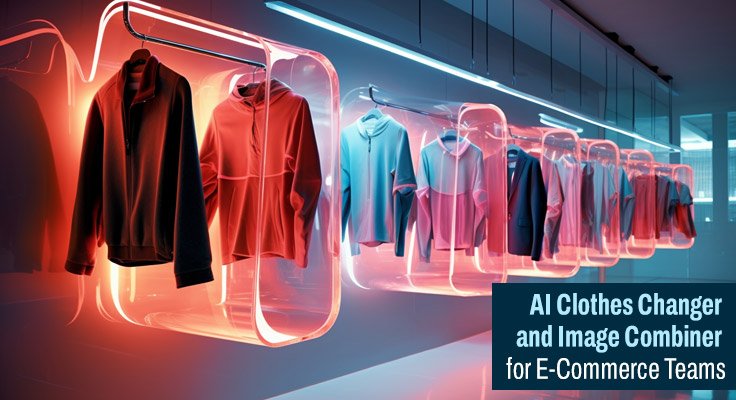
Scaling an e-commerce operation means drowning in visual content demands. Every product launch requires lifestyle photography, multiple styling variations, and seasonal campaign assets that make inventory feel fresh and desirable. Yet traditional production workflows—booking models, coordinating wardrobe changes, securing diverse locations—create bottlenecks that slow your go-to-market speed and inflate your customer acquisition costs. For lean marketing teams managing hundreds of SKUs across multiple channels, the manual approach to visual content is simply unsustainable. This is where an AI Clothes Changer transforms your production pipeline, enabling you to generate endless outfit variations and styling combinations from a single base photograph without physical garment changes or reshoots.
The Content Production Bottleneck
Modern commerce runs on visual variety. Your product detail pages need lifestyle context that converts browsers into buyers. Your email campaigns require fresh imagery that avoids subscriber fatigue. Your social feeds demand daily content that showcases the same inventory in infinitely new ways. A single dress might need photographs styled for office wear, weekend casual, evening events, and seasonal contexts—multiplied across five color variations and three size representations.
The traditional model requires you to either carry massive photography costs that erode margins, or limit visual variety and watch conversion rates suffer. Neither option supports profitable scaling. Marketing teams find themselves choosing between creating new assets for priority launches or refreshing evergreen content—sacrificing either growth or maintenance.
Accelerating Multi-Variant Creation
The practical application begins with efficiency at scale. Import your base product photography—a model wearing your core item—and digitally overlay alternative garments, accessories, or styling layers. Generate the same foundational shot representing business formal, smart casual, and creative interpretations without changing physical clothes or scheduling new studio sessions.
For fashion retailers, this means showing customers exactly how to style your pieces for their specific lifestyle needs. A working professional sees the blazer styled for boardrooms; a creative freelancer sees the same piece paired with relaxed denim. This contextual relevance drives conversion by helping shoppers envision ownership.
For marketplace sellers managing dropshipped inventory, AI clothes changing enables competitive visual presentation without handling physical samples. Create compelling styled mockups that differentiate your listings from competitors using identical supplier photography, building brand recognition even when selling commoditized products.
Creating Contextual Commerce Imagery
Static product shots inform; lifestyle imagery sells. Customers need to see your products in aspirational yet relatable environments—cozy homes, bustling cafes, professional offices—that match their self-image. Traditionally, this required expensive location scouting, travel coordination, and weather-dependent scheduling that often delayed campaigns past relevant shopping windows.
AI image combination tools solve this by intelligently merging your product photography with diverse environmental contexts. Place your furniture in upscale lofts, family homes, or trendy apartments without moving inventory. Position your apparel in seasonal settings—autumnal parks, summer beaches, winter cabins—regardless of current weather or geographic limitations. The technology matches lighting, shadows, and perspective to create seamless, believable scenes that appear as expensive location productions.
Scaling Seasonal and Regional Campaigns
The cyclical nature of retail demands constant visual refreshes. Holiday campaigns, back-to-school seasons, and regional market launches all require customized imagery that feels timely and locally relevant. Reshooting your entire catalog quarterly is financially impossible, yet reusing identical creative assets year-round signals market neglect and triggers ad fatigue.
Automated image compositing enables rapid seasonal adaptation. Take your core product shots and composite them onto holiday-themed backgrounds, regional landmarks, or culturally specific settings for international expansion. Summer inventory photographed in July becomes winter-appropriate with snowy environmental overlays. Standard product photography transforms into Valentine’s Day gifting content with romantic contextual elements added digitally.
Reducing Production Costs and Time-to-Market
The financial impact is substantial for growing brands. A traditional lifestyle photoshoot might cost $5,000-$15,000 including model fees, location permits, and production crew—generating perhaps 50 usable images. AI-enhanced workflows produce hundreds of variations from a single controlled shoot at a fraction of the cost, reducing your per-asset expense from hundreds of dollars to pennies.
Time savings are equally critical. Trend-responsive commerce requires launching visual content within days of identifying market opportunities. Traditional photography scheduling takes weeks; AI-assisted production compresses this to hours. Capture a trending aesthetic, generate on-brand variations, and publish before competitors finish their pre-production meetings.
Maintaining Brand Consistency Across Channels
As you scale across marketplace platforms—your own Shopify store, Amazon, Instagram Shopping, TikTok—each channel demands specific aspect ratios, styling approaches, and contextual imagery. AI tools enable consistent brand presentation while optimizing for platform requirements. Generate square crops with lifestyle context for Instagram, clean white backgrounds for Amazon compliance, and dynamic environmental shots for Pinterest—all derived from the same source photography with coherent lighting and styling.
This consistency builds brand recognition that transcends individual platforms. Customers encounter your products in varied contexts yet perceive unified aesthetic direction, strengthening brand equity and trust signals that drive repeat purchases.
Implementation for Lean Teams
For bootstrapped founders and small marketing teams, these tools democratize the visual capabilities previously reserved for enterprise retailers with dedicated creative departments. One marketer can produce the output volume of a three-person design team, maintaining competitive visual standards without hiring specialists or outsourcing to expensive agencies.
The workflow integration is straightforward: capture clean base photography in controlled conditions, then use AI tools to multiply your assets exponentially. Focus your creative energy on concept and strategy while automation handles the repetitive production tasks that previously consumed your working hours.Stop letting visual production limitations constrain your growth ambitions. Whether you are scaling a DTC fashion brand, optimizing marketplace conversion rates, or building a content engine that outpaces competitors, an AI Image Combiner completes your automation toolkit—turning your product photography from a static cost center into a dynamic, scalable asset generator that drives revenue and speeds your path to market dominance.
Also Read – 5 Things to Ensure Before Expanding Your E-Commerce Operations