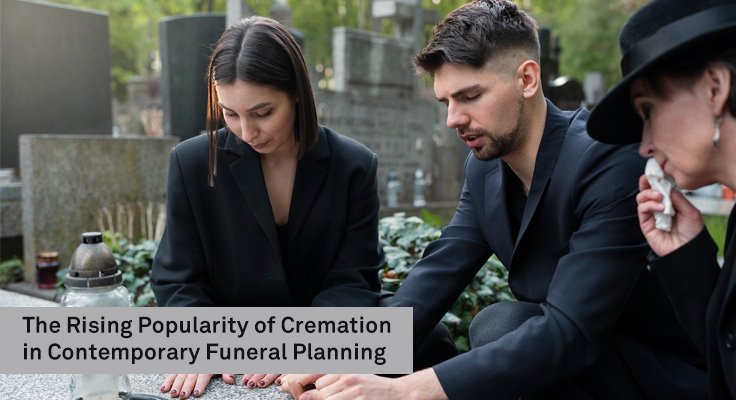
Cremation has shifted from merely practice to becoming one of the most popular choices in modern funeral planning, and this is because families prefer it for its flexibility, affordability, and ability to accommodate personal preferences.
It also reflects cultural changes are no longer becoming a hindrance about understanding of how people want to be remembered, resulting in a practical and meaningful option that aligns with contemporary lifestyles and values. This article will give detailed explanations on the reasons behind cremation’s growing acceptance, the factors influencing families’ decisions, and how this trend is reshaping funerals.
- Changing Cultural Attitudes
One of the strongest drivers of cremations popularity is the shift in cultural attitudes. Before, traditional burial was once dominant because it aligned with long-standing religious beliefs and communal expectations.
However, over the years these expectations have softened, making families confident in choosing a method that the deceased wished for when he or she was alive, prioritizing practicality over custom. In addition, younger generations are less tied to mandatory religious ceremonies; they prefer memorials that reflect individuality rather than formality, making cremation fit their preference because it does not require rigid structures.
- Affordability and Financial Capabilities
The cost of traditional burial has been considered to be quite outrageous and many households cannot afford the financial strain. These burial rites often include the price of the casket, cemetery plot, headstone, embalming, transportation, and service fees. All of these are very expensive, especially for families without pre-planned arrangements.
However, cremation offers a budget-friendly alternative, as it eliminates several large expenses; families can opt for simple arrangements without compromising dignity or respect. For many, financial practicality is a decisive factor, and with cremation, their loved ones can still receive a meaningful farewell without incurring heavy, unexpected costs. In economic conditions where families prioritize financial responsibility, cremation often stands out as a sensible option even if they can afford to have a burial ceremony.
- Environmental Considerations
Concerns about land use and environmental impact also influence decision-making, and this is mostly because many individuals are uncomfortable with the idea of occupying land long-term, especially in urban areas where space is scarce.
Traditional burial involves materials and processes that some families consider environmentally burdensome. This is why it is not a go-to choice except in remote locations with enough land space. While cremation is not completely without environmental impact, it is often viewed as a less resource-intensive choice. For families prioritizing sustainability, cremation aligns with their environmental values more closely than conventional burial.
- Funeral Homes Adaptation
Funeral homes have adapted their services to match the increasing demand for cremation, as many now offer specialized cremation packages, advanced crematories, creative memorial planning, and guidance tailored specifically to cremation arrangements.
This increased accessibility reinforces its popularity, especially when funeral providers offer comprehensive options, making families to be more confident choosing because they know professional support is readily available.
Endnote
The rising popularity of cremation in contemporary funeral planning reflects broader changes in culture, economics, family mobility, and personal values. Families seek meaningful memorials without excessive cost, as they look for flexibility, personalization, and environmental awareness. This is why cremation meets these needs more effectively than traditional burial for many households.
Also Read: How to Plan a Meaningful Memorial Service After Cremation